
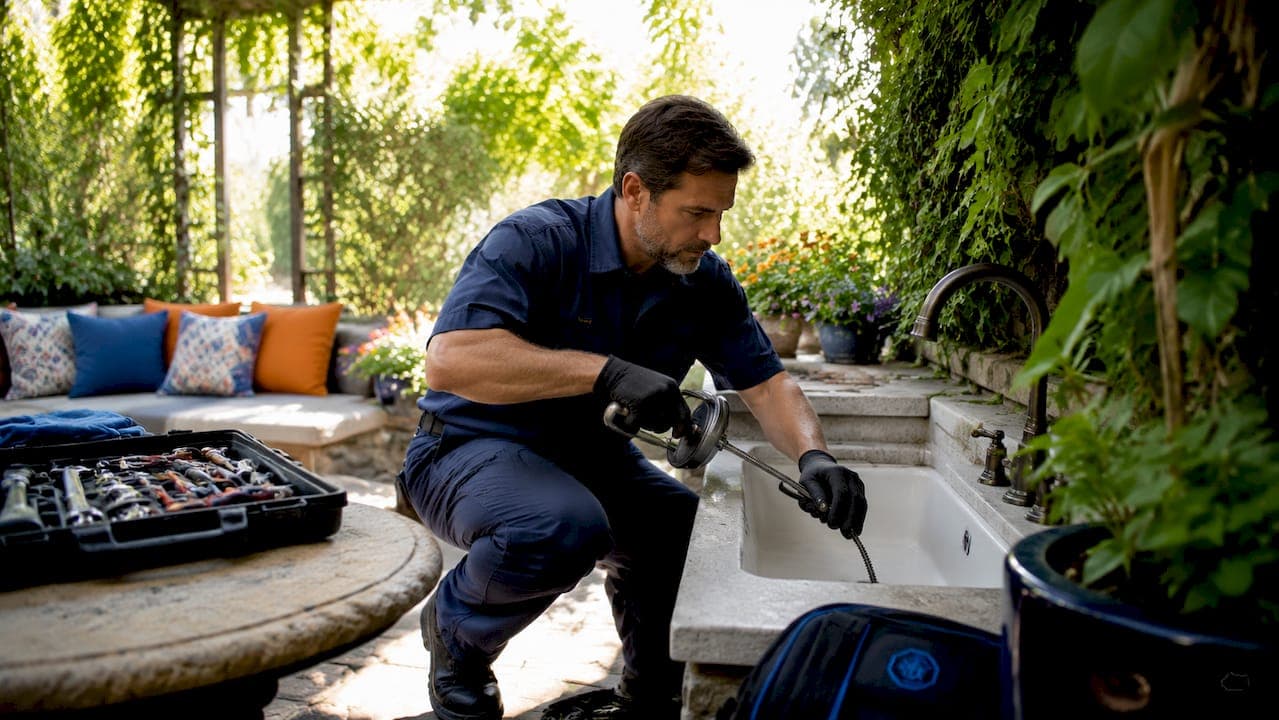
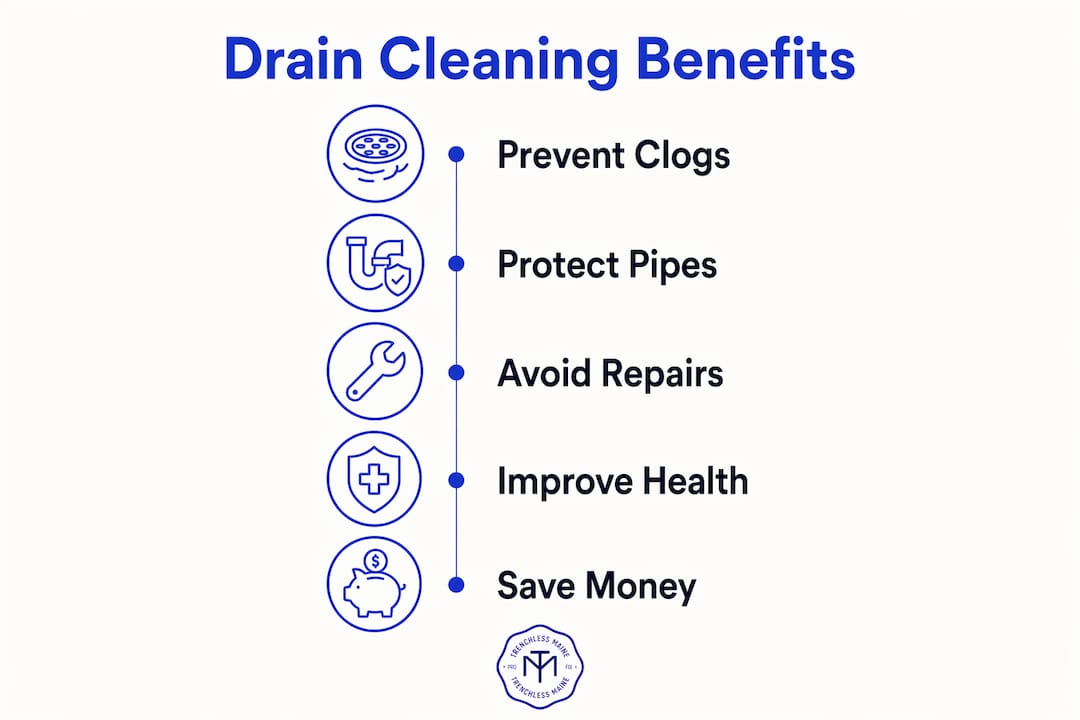
Timely drain cleaning is defined as scheduled, proactive removal of buildup from your pipes before blockages form and cause damage. Most homeowners treat their drains as an afterthought until water backs up into the sink or a foul smell fills the bathroom. That reactive approach costs far more than prevention. Regular drain maintenance protects your plumbing system, keeps your home healthier, and preserves your property's value. Understanding why timely drain cleaning matters is the first step toward avoiding the expensive emergencies that catch unprepared homeowners off guard.
Why timely drain cleaning matters: the buildup problem explained
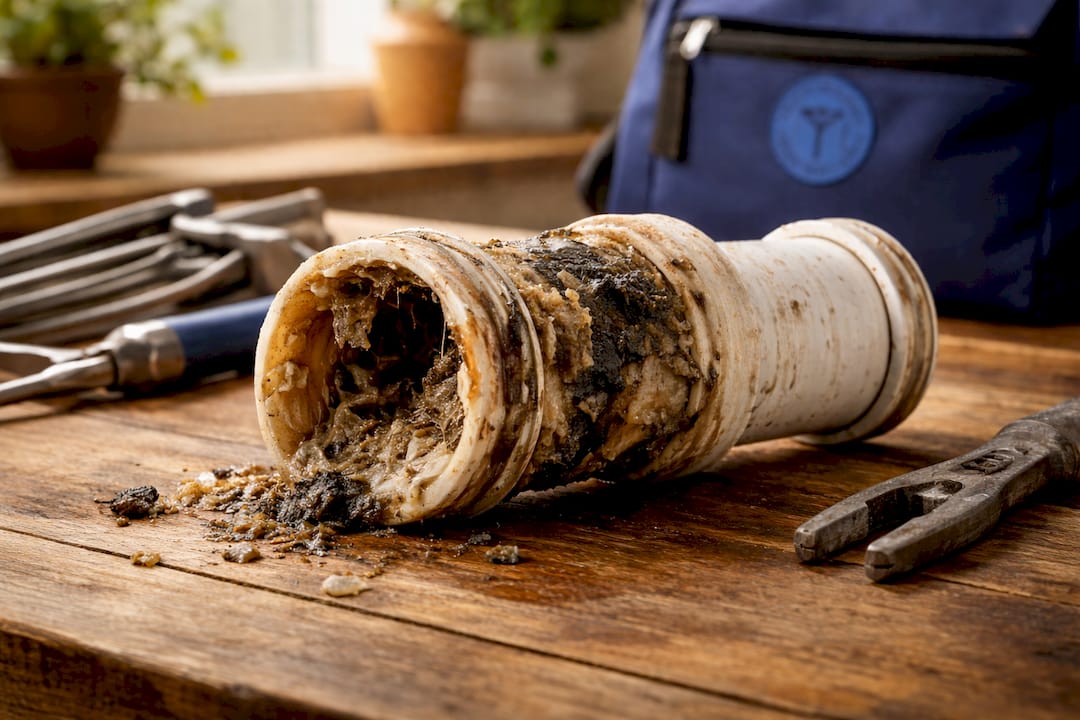
Drain blockages do not appear overnight. Grease, hair, soap scum, mineral deposits, and tree root intrusion accumulate gradually over months or years inside your pipes. By the time you notice slow drainage or odors, blockages have been developing for a long time and causing unseen damage along the way. That slow buildup is the core reason why waiting for a visible clog is always the wrong strategy.
The types of debris that cause the most damage include:
- Grease and cooking fat, which solidify on pipe walls and trap other debris
- Hair and soap residue, which bind together and form dense plugs in bathroom drains
- Mineral scale, which narrows pipe diameter in homes with hard water
- Tree root intrusion, which cracks pipe walls and creates blockages in sewer laterals
- Organic matter, which decomposes inside pipes and produces foul odors
Each of these materials compounds the problem. Grease catches hair. Hair catches soap. Soap catches mineral scale. The result is a dense, sticky blockage that a plunger cannot clear. Professional cleaning removes this sludge before it reaches that point.
Pro Tip: If your kitchen drain runs slowly after washing dishes, that is an early sign of grease buildup. Do not wait for a full clog. Schedule a professional cleaning before the grease hardens further.
How regular drain cleaning protects your plumbing and prevents costly repairs
Pressure buildup from partial blockages stresses pipe joints and can cause cracking over time. When water cannot flow freely, it pushes against the weakest points in your system. That pressure leads to joint leaks, pipe deformation, and eventually full pipe failure. Preventing clogged drains through routine cleaning removes that pressure before it does structural damage.
The financial case for regular maintenance is straightforward:
- Scheduled cleaning costs a fraction of emergency repairs. A professional drain cleaning visit is predictable and affordable. A sewage backup or burst pipe is neither.
- Water damage from leaks multiplies costs fast. Flooring, drywall, and subfloor repairs add up quickly once water escapes a failed pipe joint.
- Fixing leaks linked to blockages can reduce water bills by approximately 10%. That savings compounds over years of consistent maintenance.
- Longer pipe lifespan reduces replacement frequency. Pipes that are kept clear of corrosive buildup last significantly longer than neglected ones.
- Camera inspections during professional cleaning catch hidden damage early. Camera inspections reveal hairline cracks, root intrusion, and scale buildup that are invisible from the outside.
"Preventive plumbing maintenance is one of the highest-return home investments available to homeowners, shifting plumbing from crisis management to predictable upkeep." — Plumbing-Heating-Cooling Contractors Association
The camera inspection point deserves emphasis. A technician who can see inside your pipes can identify a hairline crack before it becomes a full break. That early detection is the difference between a minor repair and a major excavation project.
What are the health risks of neglecting your drains?
Neglected drains are not just a plumbing problem. They are a health problem. Organic matter sitting in slow or partially blocked drains decomposes and produces hydrogen sulfide gas, which causes the rotten egg smell common in neglected bathrooms and kitchens. That odor is a symptom of a deeper issue.
Slow drains create a breeding ground for harmful bacteria including E. coli and Salmonella, as well as black mold spores. These pathogens thrive in the warm, moist environment inside a drain carrying stagnant organic matter. Black mold spores can become airborne and affect indoor air quality throughout your home.
The health risks linked to untreated slow drains include:
- Bacterial contamination from E. coli and Salmonella in standing water
- Black mold growth inside drain pipes and on surrounding surfaces
- Airborne mold spores that aggravate respiratory conditions and allergies
- Persistent odors that indicate active decomposition, not just surface grime
Cleaning eliminates the organic matter that feeds these organisms. Masking odors with chemical sprays or scented drain covers does nothing to address the source. Health risks from mold and bacteria increase steadily with untreated slow drains, making this one of the most overlooked factors in home maintenance.
How often should you clean your drains?
Most standard family homes should schedule professional drain cleaning at least once every 12 to 24 months. That interval prevents major failures and keeps emergency repair costs off the table. The right frequency for your home depends on several factors.
| Factor | Recommended cleaning interval |
|---|---|
| Standard family home | Every 12–24 months |
| Older home with aging pipes | Every 12 months or less |
| Home with large trees nearby | Every 12 months (root intrusion risk) |
| High-occupancy or rental property | Every 6–12 months |
| Home with history of recurring clogs | Every 6 months |
Homeowners who skip drain maintenance for 3 to 10 years face the highest likelihood of costly emergencies like sewage backups. That gap between cleanings is where the most expensive damage accumulates silently.
The signs that your drains need attention right now include slow drainage in multiple fixtures, recurring clogs that return within days of clearing, gurgling sounds from drains or toilets, foul odors from drains even after cleaning the surface, and water pooling around floor drains. Any one of these signals warrants a professional inspection. Multiple signals at once mean the problem is already advanced.
Pro Tip: If you are buying or selling a home in Maine, request a camera inspection of the sewer lateral before closing. Slow-draining fixtures are red flags for home inspectors and can reduce your property's appraised value.
Common misconceptions about drain maintenance
The biggest mistake homeowners make is reaching for a bottle of chemical drain cleaner when a drain runs slowly. Chemical cleaners feel like a solution because they produce a visible reaction. They are not a solution. Chemical drain cleaners thin metal pipes over time, degrade pipe joints, and mask the underlying blockage without removing it. The clog returns, often worse than before, and the pipe is now weaker.
The practices that actually protect your drains include:
- Hydro jetting, which uses high-pressure water to scour pipe walls clean without chemicals or pipe damage
- Mechanical snaking, which physically breaks up and removes blockages rather than dissolving them partially
- Camera inspections, which confirm the blockage is fully cleared and identify any structural damage
- Routine scheduling, which removes buildup before it reaches blockage stage
Waiting for a complete clog before calling a professional is the second most common mistake. By that point, the blockage has been building for months. The pipe walls have been under stress. There may already be hairline cracks or joint damage. Routine maintenance prevents all of that by keeping the pipe clear before pressure builds. You can learn more about drain clearing methods that work without damaging your pipes.
Key Takeaways
Timely drain cleaning is the single most cost-effective action a homeowner can take to prevent plumbing emergencies, protect home health, and preserve property value.
| Point | Details |
|---|---|
| Clean every 12–24 months | Most homes need professional drain cleaning at least once every 12 to 24 months to avoid major failures. |
| Buildup develops silently | Grease, hair, root intrusion, and mineral scale accumulate for months before symptoms appear. |
| Chemical cleaners cause damage | Store-bought chemical cleaners thin pipes and mask blockages without removing them. |
| Health risks are real | Slow drains breed E. coli, Salmonella, and black mold that affect indoor air quality. |
| Camera inspections catch hidden damage | Professional cleaning with camera inspection identifies hairline cracks and root intrusion before they become emergencies. |
What I've learned from watching homeowners wait too long
Most homeowners I talk to share the same story. They noticed the drain running slowly months ago. They poured in some chemical cleaner. It seemed to help for a week. Then it slowed again. By the time they called a professional, the blockage was severe and there was already minor pipe joint damage. The chemical cleaner had bought them time but made the underlying problem worse.
The importance of drain cleaning is not just about avoiding a messy backup. It is about keeping your plumbing system in a state where problems are predictable and affordable. Preventive maintenance transforms plumbing from a source of anxiety into a manageable part of home ownership. You know when the next cleaning is due. You know what it costs. You are not waiting for a crisis.
Property managers understand this better than most homeowners because they see the cost difference directly. One emergency sewage backup in a rental unit costs more than years of scheduled maintenance. The math is not complicated. What is complicated is convincing yourself to schedule maintenance when nothing appears to be wrong. That is the discipline that separates homeowners who control their plumbing costs from those who are controlled by them.
Proactive sewer line maintenance also preserves your home's market value. Slow drains are a red flag during inspections and can reduce what buyers are willing to pay. Keeping your drains clean is one of the few maintenance tasks that protects your health, your wallet, and your home's resale price at the same time.
— John
Professional drain cleaning services from Trenchlessmaine
Trenchlessmaine provides professional drain clearing and hydro jetting services across Maine, combining camera inspection technology with high-pressure cleaning to clear blockages completely and identify hidden damage before it becomes a crisis.

Trenchlessmaine's hydro jetting service scours pipe walls clean using high-pressure water, removing grease, scale, and root intrusion without chemicals or pipe damage. Every service includes a camera inspection so you know exactly what was found and what was cleared. For homeowners who want a scheduled maintenance plan or need a fast response to a slow drain, Trenchlessmaine's drain clearing team covers most of Maine's cities and can often complete the job within 24 hours.
FAQ
How often should drains be professionally cleaned?
Most family homes need professional drain cleaning every 12 to 24 months. Homes with older pipes, heavy usage, or large trees nearby should schedule cleaning every 12 months or less.
What are the signs you need drain cleaning now?
Slow drainage in multiple fixtures, recurring clogs, gurgling sounds, and foul odors from drains are all signs that a blockage is already developing and needs professional attention.
Are chemical drain cleaners safe to use?
Chemical drain cleaners are not safe for regular use. They thin metal pipes, degrade joints, and mask blockages without removing them, which leads to more serious damage over time.
Can neglected drains affect my home's value?
Slow-draining fixtures are red flags for home inspectors and can negatively affect your property's appraisal and marketability. Keeping drains clean protects your home's resale value.
What is hydro jetting and why is it more effective than snaking?
Hydro jetting uses high-pressure water to scour the full interior surface of a pipe, removing grease, scale, and root material completely. Mechanical snaking breaks up a blockage but leaves residue on pipe walls that accelerates future buildup.