
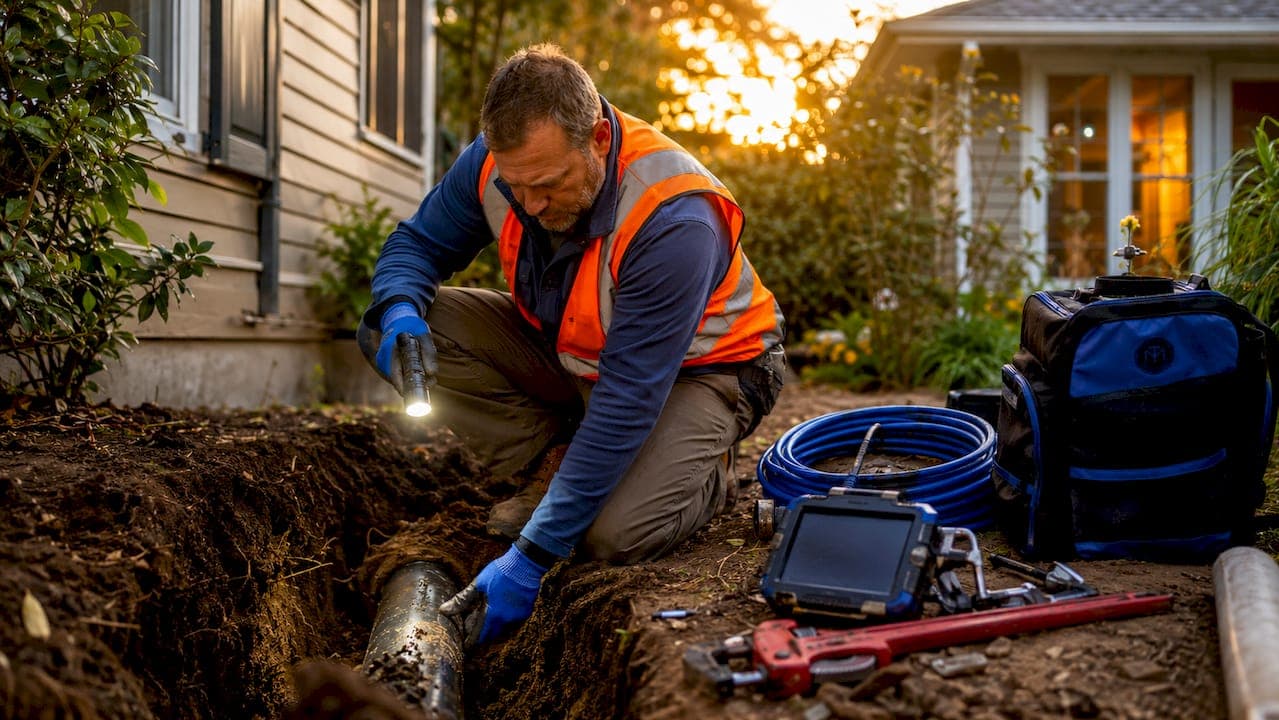
Prompt sewer repair is the process of quickly identifying and fixing sewer line failures before they escalate into structural damage, health hazards, or financial emergencies. For homeowners and property managers in Maine, a slow drain or foul odor is rarely a minor inconvenience. Sewer line problems worsen quickly and can cause property damage and health risks within minutes of a backup event. Understanding why prompt sewer repair is crucial gives you the power to act before a manageable problem becomes a $20,000 renovation. Modern solutions like trenchless pipe lining and CIPP (cured-in-place pipe) technology mean you no longer have to choose between speed and quality.
What are the health and safety risks of delaying sewer repairs?
Delayed sewer repair exposes your household to pathogens, mold, and contaminated air. Sewage contains bacteria, viruses, and parasites that cause serious illness on contact or inhalation. When a sewer lateral cracks or backs up, those contaminants enter your living space through floor drains, toilets, and wall cavities.
The health consequences are not theoretical. Sewage backups ruin flooring, cabinetry, and drywall while exposing residents to harmful pathogens including E. coli, Hepatitis A, and Salmonella. These are not conditions that resolve with a mop and bleach. Professional remediation is required once contamination spreads beyond the pipe.
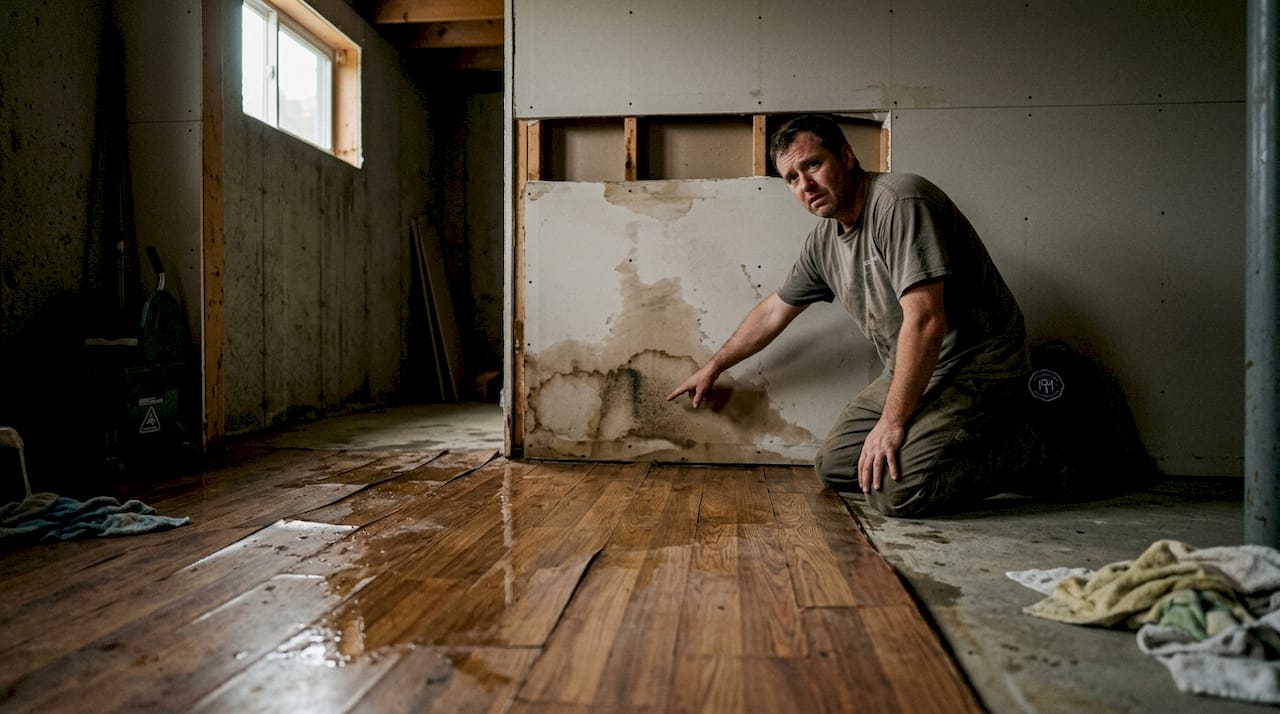
Hidden leaks create a second problem: mold. A slow seep behind drywall or under a subfloor creates the warm, damp conditions mold needs to colonize within 24–48 hours. Mold exposure causes respiratory symptoms, allergic reactions, and long-term lung issues, particularly in children and elderly residents.
Watch for these warning signs that signal a sewer health risk in your home:
- Persistent foul odors from drains, even when they appear clear
- Gurgling sounds from toilets or sinks after water drains elsewhere
- Multiple slow drains throughout the house at the same time
- Wet patches or unusually green, lush grass running across your yard, which acts as an effective fertilizer from leaking sewage
- Sewage odors in the basement or near floor-level drains
Each of these symptoms points to a system under stress. Ignoring them does not allow the problem to stabilize. Sewer issues worsen silently until detection becomes critical, at which point you are dealing with an emergency rather than a repair.
How does prompt sewer repair prevent costly property damage?
Acting fast on sewer issues is the single most effective way to protect your property's structural integrity and your wallet. A minor crack in a sewer lateral allows water and waste to saturate the surrounding soil. Over weeks, that saturation causes soil erosion and settlement directly beneath your foundation. Foundation repair in Maine averages far more than any sewer line fix.
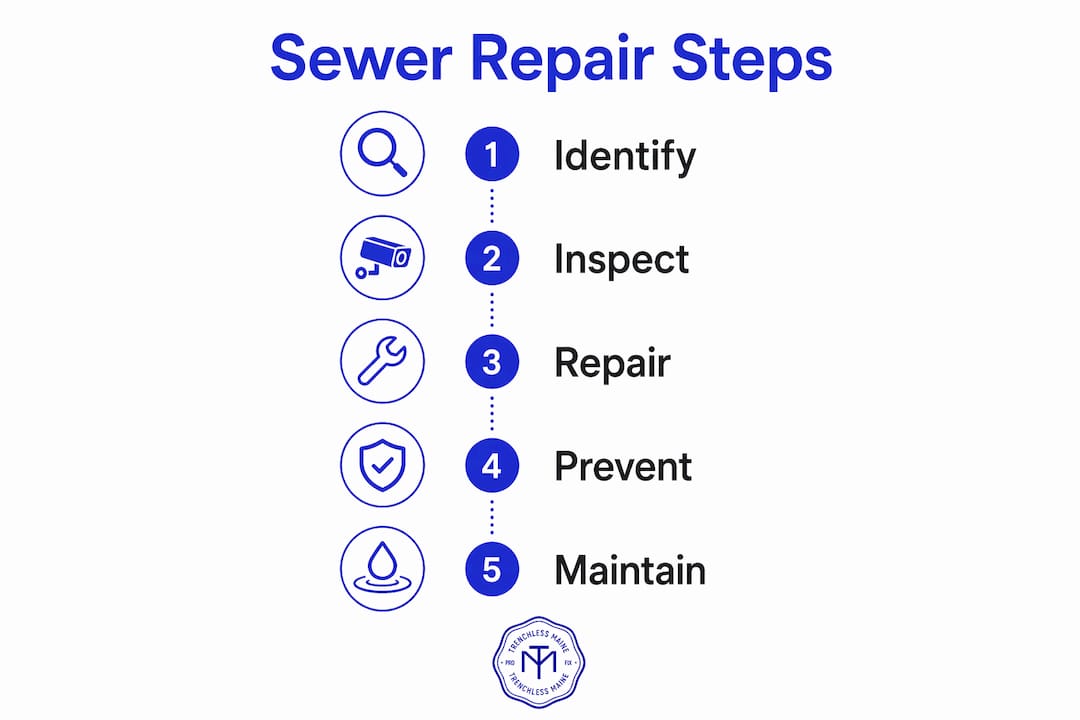
Timely sewer repairs prevent small problems from escalating into emergencies requiring major excavation or full pipe replacement. A hairline crack sealed today costs a fraction of what a collapsed pipe costs next spring. The table below shows how repair costs scale with delay.
| Repair scenario | Estimated cost range | Disruption level |
|---|---|---|
| Early crack sealing or spot repair | $500–$2,500 | Minimal, often no excavation |
| Trenchless pipe lining (full line) | $3,000–$8,000 | Low, completed in one day |
| Traditional excavation and replacement | $8,000–$25,000+ | High, multi-day, yard and driveway damage |
| Foundation repair from prolonged leak | $10,000–$50,000+ | Severe, months of disruption |
The financial gap between early action and delayed response is stark. That gap widens further when you factor in insurance. Homeowners are legally responsible for the sewer lateral on their property, and insurers can deny claims when they determine neglect contributed to the damage. Documented neglect of known warning signs is the fastest way to lose an insurance claim.
Property damage from sewer backups also hits areas you would not expect. Finished basements, hardwood floors, kitchen cabinetry, and built-in shelving are all vulnerable when a backup occurs. Replacing these materials adds thousands to a repair bill that started as a simple pipe issue.
Pro Tip: Request a written inspection report and camera footage from any sewer contractor before authorizing repairs. This documentation protects you if an insurance claim becomes necessary later.
What modern sewer repair technologies enable faster, less disruptive fixes?
Trenchless sewer repair has changed what "getting your sewer fixed" actually looks like. Traditional repair required digging a trench the full length of the damaged pipe, destroying landscaping, driveways, and sometimes concrete walkways in the process. Trenchless methods eliminate most of that disruption.
The two most common trenchless approaches are CIPP lining and pipe bursting. CIPP lining involves inserting a resin-saturated liner into the existing pipe and curing it in place, creating a new pipe within the old one. Pipe bursting pulls a new pipe through the old one, fracturing the original outward. Both methods save 30–50% on total project costs compared to traditional excavation by eliminating landscape and driveway restoration costs.
Most residential trenchless repairs complete in a single day, with active work taking just 4–8 hours. That means your yard, driveway, and daily routine stay intact. For property managers overseeing rental units, this speed matters enormously. Tenants experience minimal disruption, and the property returns to full function the same day.
High-definition camera inspection is the diagnostic tool that makes targeted trenchless repair possible. Camera inspections identify cracks, pipe deformation, root intrusion, and bellies that standard equipment misses entirely. Municipal systems like DC Water use this same technology to catch deterioration before it becomes an emergency. You can access the same diagnostic precision for your home's sewer lateral.
Key benefits of modern trenchless technology include:
- No large-scale excavation, preserving your lawn, garden, and hardscape
- Faster project completion, often within 24 hours from inspection to finish
- Long-lasting results, with CIPP liners carrying warranties up to 50 years
- Lower total cost, since secondary restoration work is eliminated
- Environmentally responsible, with no soil disruption or groundwater exposure
Learn more about how trenchless methods cut project time and why that speed directly reduces your total repair cost.
How to recognize early warning signs and act before an emergency?
Catching sewer failure early is a skill every homeowner and property manager should develop. The signs are rarely dramatic at first. They show up as minor annoyances that most people dismiss or attribute to aging plumbing.
Here is a practical sequence to follow when you suspect a sewer problem:
- Note the pattern of slow drains. One slow drain usually means a localized clog. Multiple slow drains throughout the house at the same time point to a main line issue.
- Listen for gurgling. When you flush a toilet and hear gurgling from a nearby sink or tub, air is being forced back through the system. That is a main line symptom.
- Check your yard. A strip of unusually green, lush grass running across your yard above the sewer line is a reliable indicator of a leak below ground.
- Smell your basement. Sewer gas odors at floor level, particularly near floor drains, indicate a compromised seal or cracked lateral.
- Call for a camera inspection. Do not guess. A professional camera inspection gives you a visual diagnosis of exactly what is wrong and where.
Early warning signs like slow drains, gurgling toilets, and foul odors indicate system failure and require immediate attention. Ignoring them leads to emergency repairs with higher costs and extensive property damage. The difference between a $1,500 repair and a $15,000 emergency often comes down to how quickly you called a professional after the first symptom appeared.
Sewer repairs backed by camera diagnostics and upfront pricing help you avoid unnecessary work and ineffective fixes. Transparency in diagnosis leads to better decisions. If a contractor cannot show you camera footage of the problem, that is a red flag worth taking seriously.
Pro Tip: Before hiring any sewer contractor, ask specifically whether they provide camera footage of the problem and a written estimate before work begins. Contractors who offer both tend to deliver better outcomes and fewer surprise charges.
For a deeper look at symptoms that signal a serious problem, the warning signs guide from Trenchlessmaine covers five specific indicators that homeowners in Maine most commonly overlook.
If you face an active backup or overflow, the 24-hour plumbing emergency checklist gives you a clear action plan while you wait for a professional to arrive.
Key Takeaways
Prompt sewer repair prevents minor pipe failures from becoming structural emergencies, protects household health, and saves thousands of dollars through early intervention and modern trenchless technology.
| Point | Details |
|---|---|
| Act on first symptoms | Slow drains, gurgling, and odors signal main line failure; call a professional immediately. |
| Early repair saves money | Sealing a crack early costs a fraction of full excavation or foundation repair later. |
| Trenchless technology changes the math | CIPP lining and pipe bursting save 30–50% over traditional excavation and finish in one day. |
| Camera inspection is non-negotiable | High-definition diagnostics identify root intrusion and pipe deformation before they cause collapse. |
| Insurance requires documented action | Homeowners own their sewer lateral; neglect can void coverage and create legal liability. |
What I have learned from watching homeowners wait too long
I have seen the same pattern repeat more times than I can count. A homeowner notices a slow drain in october. They pour a bottle of drain cleaner down it. It clears temporarily. By january, they have sewage in their basement and a contractor telling them the main line has collapsed. The drain cleaner bought them three months of false confidence and cost them $18,000.
The most persistent misconception I encounter is that sewer problems stabilize on their own. They do not. Cracks widen. Root intrusion grows. Pipe deformation accelerates under soil pressure. Every week of delay is a week the problem gets harder and more expensive to fix.
What I find genuinely encouraging is how much trenchless technology has changed the conversation. When I tell homeowners that a repair can be done in a single day without digging up their yard, the relief is immediate. The old mental image of a sewer repair involved a backhoe, a week of disruption, and a destroyed lawn. That image no longer applies to most residential repairs.
Prompt repair is also environmental stewardship. Leaking sewer lines contaminate soil and groundwater, affecting more than just your property. Acting fast protects your neighbors, your local watershed, and the long-term value of your home. That is not a small thing in Maine, where clean water and property values are deeply connected.
My honest advice: treat the first warning sign as a confirmed problem, not a maybe. Book the inspection. Get the camera footage. Then make a decision based on facts, not hope.
— John
Fix your sewer the right way with Trenchlessmaine
If you have spotted any of the warning signs covered in this article, the next step is a professional camera inspection from a team that will show you exactly what is wrong before charging you a dollar for repairs.

Trenchlessmaine specializes in no-dig sewer repair technology that gets most Maine homeowners back to normal within 24 hours. From CIPP pipe lining to hydro jetting and drain clearing, every service comes with upfront pricing, camera-backed diagnosis, and warranties up to 50 years. Trenchlessmaine serves most of Maine's cities and brings over 50 years of combined expertise to every job. Get your free quote today and find out whether your area is covered.
FAQ
What happens if you ignore a slow drain for months?
A slow drain caused by a main line issue will worsen into a full backup or pipe collapse. Ignoring early warning signs leads to emergency repairs with significantly higher costs and extensive property damage.
How long does a trenchless sewer repair take?
Most trenchless repairs complete in a single day, with active work taking 4–8 hours. Camera inspection and liner curing happen in the same visit, avoiding multi-day excavation projects.
Does homeowner's insurance cover sewer line repairs?
Coverage depends on your policy and the cause of failure. Insurers can deny claims when documented neglect contributed to the damage, so acting on known warning signs protects your claim.
Is trenchless repair as durable as traditional pipe replacement?
CIPP liners installed through trenchless methods carry warranties up to 50 years and create a structurally sound pipe within the existing line. Trenchless methods also save 30–50% over traditional excavation while delivering comparable or better longevity.
How do I know if my sewer problem needs immediate repair?
Multiple slow drains, gurgling toilets, sewage odors in the basement, or wet patches in your yard all indicate a main line problem that needs professional attention right away. A camera inspection confirms the diagnosis and guides the correct repair approach.