
Most homeowners never think about their sewer lines until something goes wrong. By then, the repair bill can easily reach $3,000 to $20,000 or more. Knowing how to maintain sewer lines is not complicated, but it does require consistent attention and the right information. This guide walks you through everything from understanding your sewer lateral and preparing for routine care, to recognizing warning signs and choosing professional services. Follow these steps and you protect your property, your wallet, and your peace of mind.
Table of Contents
- Key takeaways
- How to maintain sewer lines: understanding your system first
- Routine habits that keep your sewer lines clear
- When to call a professional: inspections, cleaning, and repairs
- Common mistakes that lead to expensive problems
- My take on sewer maintenance after years in the field
- Expert sewer care you can count on in Maine
- FAQ
Key takeaways
| Point | Details |
|---|---|
| You own the sewer lateral | Homeowners are responsible for repairs from the house to the municipal main, including sections under sidewalks. |
| Inspections catch hidden damage | A camera inspection costing $100–$400 reveals cracks, root intrusion, and sag that no visual check can find. |
| Routine habits prevent blockages | Avoiding grease, using drain strainers, and flushing hot water weekly stop most common clogs before they start. |
| Professional cleaning matters | Hydro jetting every 3 to 5 years keeps pipes clear and extends their functional lifespan significantly. |
| Trenchless repair changes the game | Modern pipe lining methods fix damaged pipes without digging up your yard, saving time and money. |
How to maintain sewer lines: understanding your system first
Before you can care for your sewer lines, you need to know what you are actually working with. Your home connects to the municipal sewer system through a pipe called the sewer lateral. This lateral runs from your house foundation out to the city's main sewer line, sometimes traveling under your sidewalk or even part of the street. As a homeowner, lateral ownership means you pay for any maintenance, cleaning, or repair along that entire stretch, right up to the main line connection.
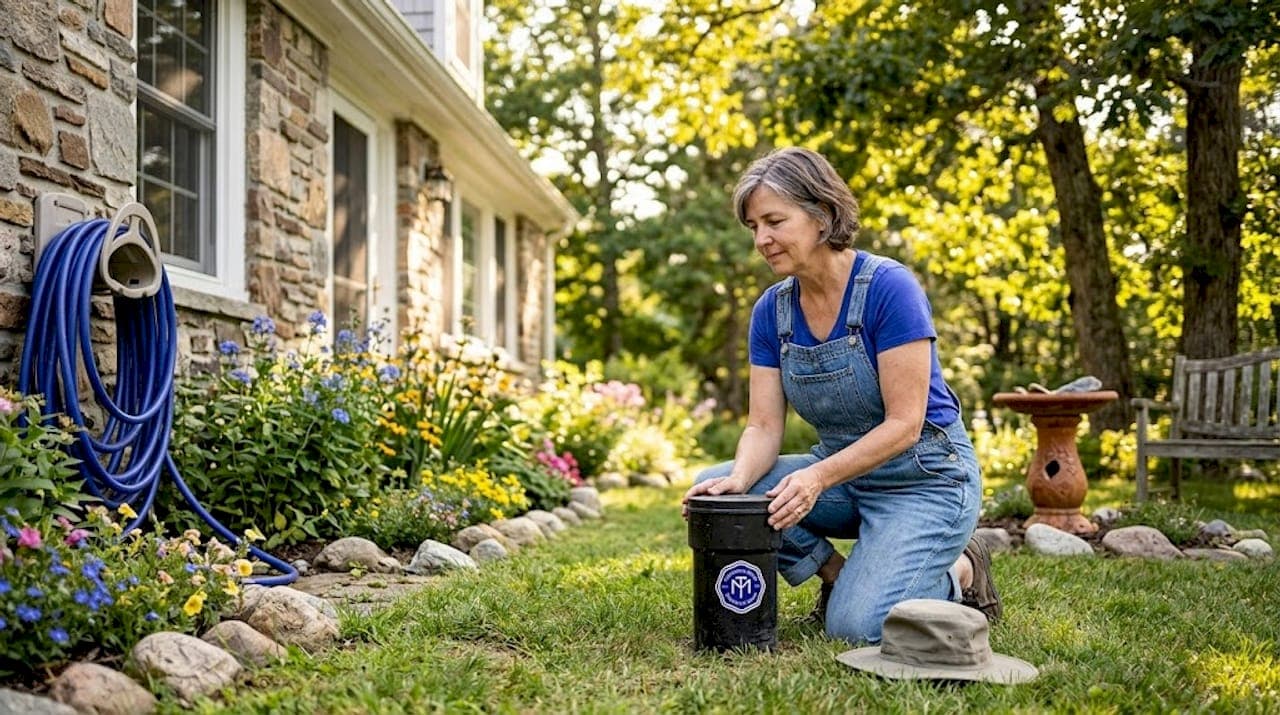
The first thing you should locate is your sewer cleanout. This is a capped pipe that gives plumbers and inspectors direct access to your sewer lateral. It is usually near the foundation of your home, in the basement, or along an exterior wall. If you cannot find it, a plumber can locate it quickly. Having clear access to your cleanout speeds up inspections and emergency drain clearing significantly.
Common sewer pipe materials and what they mean for you
The material your sewer pipe is made from determines how you should care for it and how much life it has left. Here is a quick reference:
| Pipe material | Typical lifespan | Key risk |
|---|---|---|
| Clay tile | 50–60 years | Root intrusion at joints |
| Cast iron | 75–100 years | Corrosion and scale buildup |
| PVC plastic | 100+ years | Minimal if properly installed |
| Orangeburg | 50 years or less | Deformation and collapse |
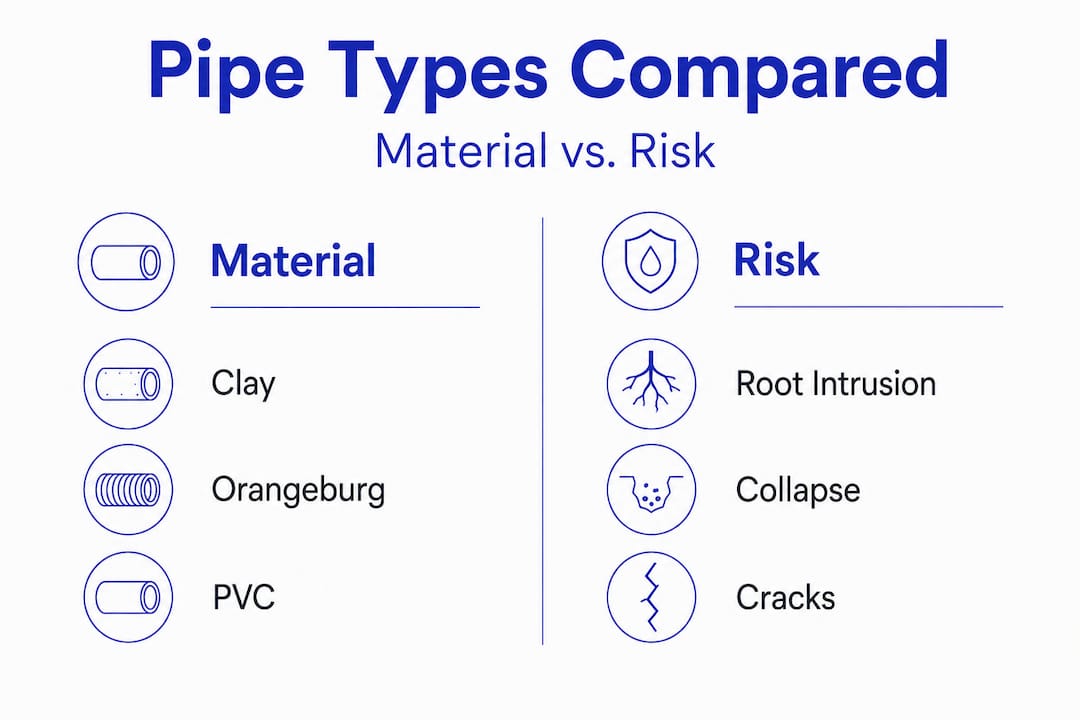
Older homes in Maine often have clay or Orangeburg pipes, both of which are especially prone to root intrusion and deformation over time. These are the systems that benefit most from proactive maintenance.
Pro Tip: If your home was built before 1980 and you have never had a sewer inspection, schedule one now. A sewer camera inspection typically costs $100–$400 and can reveal problems worth thousands of dollars to fix if left unaddressed.
A camera inspection is also critical when buying a home. Sewer scope inspections catch root intrusion, cracks, pipe sag, and joint separation that a standard home inspection completely misses. Spending a few hundred dollars before closing can save you from a very expensive surprise in year one of ownership.
Routine habits that keep your sewer lines clear
The most effective maintenance tips for sewer pipes are the ones you can practice every day without calling a professional. Small habits compound over time, and bad ones cause serious buildup inside your pipes.
Here are the core daily and weekly practices every homeowner should follow:
- Never pour grease down the drain. Grease solidifies inside pipes and creates thick accumulations that trap food debris and other waste. Cool it in a container and throw it in the trash.
- Install strainers on every drain. Kitchen sinks, shower drains, and bathtub drains all need mesh screens to catch hair, food particles, and soap residue before they enter the pipe.
- Flush with hot water weekly. Running hot water through your drains for 60 seconds once a week helps push grease and soap residue further down and out before it has a chance to harden.
- Use baking soda and vinegar monthly. Pour half a cup of baking soda followed by half a cup of white vinegar into your drains, wait 15 minutes, and then flush with hot water. This natural method helps break down light buildup without damaging your pipes.
- Avoid chemical drain cleaners. This is a critical maintenance tip for old pipes in particular. Chemical cleaners kill the beneficial bacteria that break down organic matter naturally, and they can corrode older pipe materials. Use mechanical or biological methods instead.
- Watch your water usage during heavy rain. Maine weather can stress older sewer systems. Avoid running multiple high-volume appliances simultaneously during storms to reduce the load on your lateral.
- Manage trees near your sewer line. Roots infiltrate clay pipes through the smallest joint gaps and can completely block flow over time. If you have trees within 20 feet of your lateral, consider chemical root barriers applied annually or periodic root clearing by a professional.
Pro Tip: Smart sewer sensors are now available for under $100. These WiFi-enabled monitors attach inside a cleanout or floor drain and send a smartphone alert when water levels rise abnormally, giving you time to respond before a backup damages your floor or walls.
The items you never flush matter just as much as the habits you build. Wipes labeled "flushable" are not truly flushable. They do not break down in pipes the way toilet paper does and are one of the leading causes of sewer blockages nationally. The same goes for cotton balls, dental floss, paper towels, and any food scraps rinsed from plates.
When to call a professional: inspections, cleaning, and repairs
Even the most diligent homeowner needs professional help. Knowing how to inspect sewer lines yourself stops at visual checks of your drains. Anything beyond that requires a camera and trained eyes.
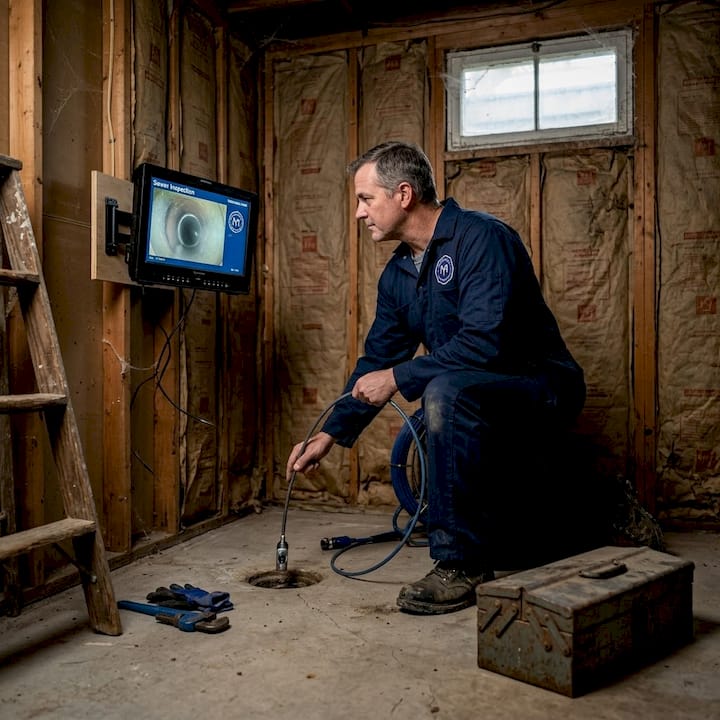
A professional camera sewer inspection involves a waterproof camera attached to a flexible cable that travels through your pipes from the cleanout. The technician watches a live video feed on a monitor and can identify root intrusion, pipe sag, joint separation, cracks, and blockages in real time. The whole process takes 30 to 60 minutes and gives you a clear picture of your pipe's condition, not just a guess.
How often you should have your sewer professionally cleaned
For most homeowners, hydro jetting every 3 to 5 years keeps the lateral clear. If you have large trees on your property, older clay pipes, or a history of slow drains, increase that frequency to every 1 to 2 years. Hydro jetting uses pressurized water at up to 4,000 PSI to scour pipe walls clean, removing grease, scale, root tendrils, and debris that normal flushing cannot touch.
Trenchless repair options when damage is found
If an inspection reveals cracking, significant root damage, or pipe deformation, the traditional response was to dig up your yard. Not anymore. Modern trenchless repair methods like cured-in-place pipe (CIPP) lining allow technicians to rehabilitate a damaged pipe from the inside without excavation. A flexible liner saturated with resin is pulled or inverted into the existing pipe, inflated against the walls, and cured in place, leaving a smooth, jointless new pipe surface inside the old one.
These methods meet ASTM F1216 installation standards, which means the finished product carries a structural lifespan comparable to brand-new pipe. For Maine homeowners dealing with root-damaged clay laterals under mature landscaping or finished driveways, this is a significant advantage over traditional digging.
When choosing a service provider, look for:
- Licensed and insured contractors in Maine
- Willingness to provide written inspection reports with video footage
- Clear explanation of what repair method is recommended and why
- Warranty documentation for any repair work performed
- References or verified reviews from local customers
Common mistakes that lead to expensive problems
Even homeowners who try to be responsible make errors that quietly undermine their sewer system. Knowing what to avoid is just as useful as knowing what to do.
The most frequent mistakes include:
- Flushing non-flushable items. Wipes, cotton swabs, and dental floss belong in the trash, not the toilet.
- Ignoring slow drains. A drain that runs slowly is not just annoying. It is a sign of partial blockage that will worsen without attention.
- Pouring chemical cleaners down old pipes. Beyond killing helpful bacteria, harsh chemicals can soften and weaken Orangeburg and older clay pipes over time.
- Assuming the city will fix it. Contact your municipal public works office first if you suspect a backup to confirm whether the problem is in the main or your private lateral. But do not wait long. Backups can cause interior flooding quickly.
- Skipping annual checks on your cleanout cap. A cracked or missing cleanout cap allows debris and surface water to enter the lateral directly.
A strip of unusually green, lush grass running across your yard in a straight line is worth investigating. It often means your sewer lateral has a slow leak acting as fertilizer. Left unchecked, that leak becomes a collapse.
Delaying repairs after you spot warning signs is where the real money is lost. Emergency repair costs reach $3,000 to $20,000, while early detection and treatment typically costs a fraction of that.
Pro Tip: Keep a simple sewer line maintenance checklist on your phone or posted near your utility room. Reviewing it twice a year, once in spring and once in fall, catches problems before Maine's harsh winters make them worse.
My take on sewer maintenance after years in the field
I have seen hundreds of homes where the sewer lateral was completely out of sight and out of mind until the day raw sewage backed up into the basement. What strikes me every time is how preventable it was.
In my experience, the single most underestimated investment a homeowner can make is knowing what type of pipe they have and its current condition. I have worked with homeowners who assumed they had PVC lines installed by a previous owner, only to find original clay tile from the 1950s still in service, partially blocked by roots. A $200 inspection revealed what a decade of guessing could not.
The other thing I have come to appreciate deeply is how much trenchless technology has changed the conversation. Before CIPP lining became widely available, telling a homeowner they had root damage under a finished driveway meant delivering devastating news. Now, in many cases, we can reline that pipe in a day without touching the surface. That shift matters enormously for property managers and homeowners with mature landscaping or paved surfaces.
My honest advice is this: do not wait for a symptom to push you into action. Schedule a camera inspection if you have not had one in five or more years, stick to the routine habits outlined here, and build a relationship with a licensed sewer service provider before you need one in an emergency. Proactive sewer care is not just about avoiding cost. It is about staying in control of one of the most critical systems in your home.
— John
Expert sewer care you can count on in Maine
If your sewer lines are overdue for an inspection or you have noticed slow drains, odors, or wet spots in your yard, now is the right time to act. Waiting rarely saves money and often makes things worse.

Trenchlessmaine offers professional camera inspections that give you a clear view of exactly what is happening inside your pipes, followed by high-pressure hydro jetting to thoroughly clean your sewer lateral from the inside out. If damage is found, Trenchlessmaine's no-dig repair solutions mean your yard, driveway, and landscaping stay intact while your pipes get a new lease on life. With warranties up to 50 years and over 50 years of combined expertise across the team, Trenchlessmaine is the resource Maine homeowners and property managers trust when sewer lines need real attention. Reach out today for a consultation and find out what condition your lateral is actually in.
FAQ
What is the best way to maintain sewer lines at home?
The most effective approach combines daily habits with periodic professional service. Avoid flushing grease or non-flushable items, use drain strainers, flush drains with hot water weekly, and schedule a professional hydro jetting service every 3 to 5 years.
How do I know if my sewer line needs cleaning?
Slow drains throughout the house, gurgling sounds from toilets, foul odors near drains, and wet or unusually green patches in your yard are the most common signs your sewer line needs attention. Any one of these warrants a camera inspection.
How often should sewer lines be professionally inspected?
For most homes, a camera inspection every 3 to 5 years is a solid baseline. Homes with older clay pipes or large trees nearby benefit from annual checks to catch root intrusion before it causes a blockage or pipe damage.
Who is responsible for repairing the sewer lateral?
The homeowner is responsible for the entire sewer lateral from the home to the municipal main line, including any section that runs under a sidewalk or street. The city only maintains the main sewer line itself.
Can I clean my sewer lines myself?
You can manage light maintenance using baking soda, vinegar, and hot water flushes, and you should avoid chemical drain cleaners entirely. However, deep cleaning of the sewer lateral and any structural repairs require professional equipment and licensed contractors.