
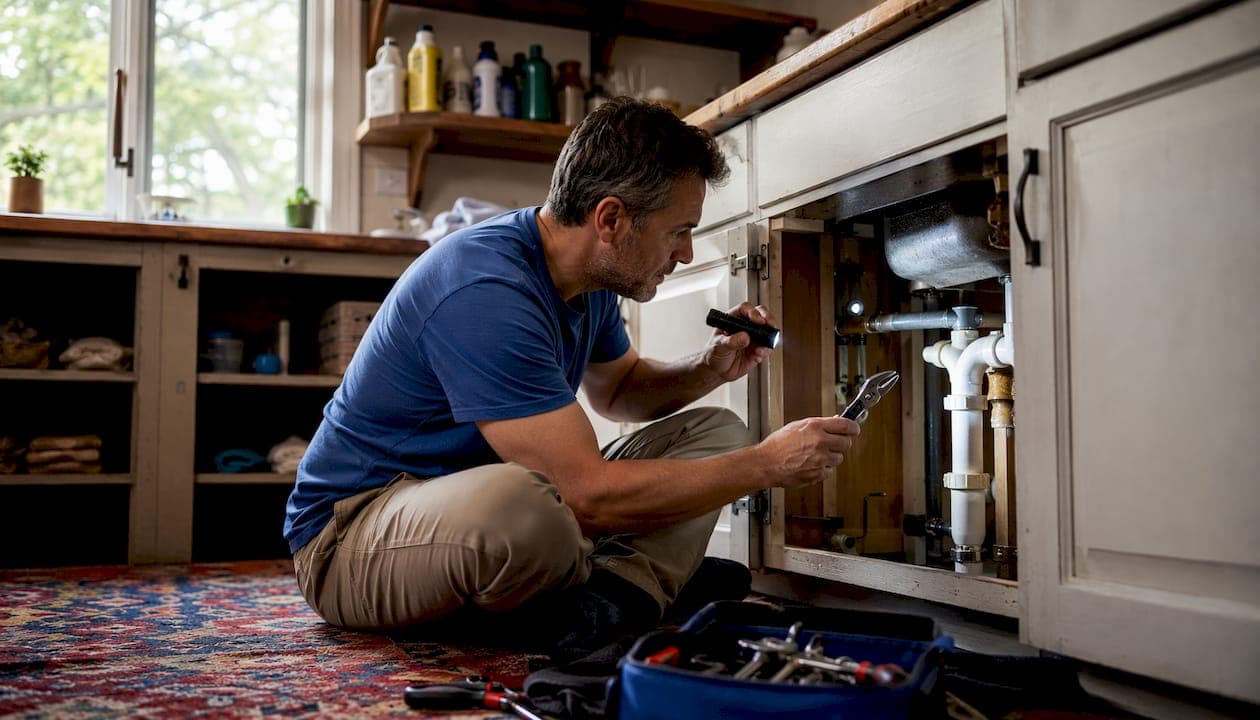
Preventive pipe maintenance is the proactive, routine inspection, cleaning, and servicing of your home's plumbing system to catch small problems before they become expensive emergencies. Think of it as scheduled care for your pipes rather than waiting for a burst line or a flooded basement to force your hand. The core goal is simple: extend the life of your plumbing, avoid unplanned repair costs, and keep your home safe and dry.
Routine tasks involved in this kind of upkeep include:
- Leak detection: Checking exposed pipes, fixtures, and appliances for drips, stains, or moisture
- Corrosion control: Monitoring metal pipes for rust, discoloration, or pitting
- Drain cleaning: Clearing buildup before it restricts flow or causes backups
- Water heater servicing: Flushing sediment and inspecting valves annually
- Winterizing: Insulating pipes in unheated spaces before temperatures drop
- Pressure management: Keeping water pressure within safe limits to reduce pipe stress
- Professional inspections: Scheduling a licensed plumber to assess your system every one to two years
The benefits of preventive maintenance are concrete: lower repair bills, fewer emergencies, longer pipe life, and better water quality throughout your home.
What warning signs tell you your plumbing needs attention?
Catching a plumbing problem early is almost always cheaper than dealing with the aftermath. Your pipes give you signals. The key is knowing what to look for.
- Unexplained water stains on ceilings, walls, or under sinks often point to a slow leak behind the surface
- Drops in water pressure throughout the house can signal a developing blockage, a corroded pipe, or a leak in the main line
- Discolored water (brown or rust-tinged) suggests corrosion inside older metal pipes or sediment buildup in your water heater
- Slow drains in multiple fixtures at once indicate a blockage deeper in the sewer lateral, not just a surface clog
- Musty odors near drains or under cabinets often mean standing water from a hidden leak, which can also promote mold growth
- Unusual sounds like banging, gurgling, or whistling in your pipes can indicate water hammer, partial blockages, or pressure irregularities
- Higher-than-normal water bills without a change in usage habits frequently signal a leak somewhere in the system
Professional inspections are recommended at least every two years for newer systems, and annually for older homes or those that have needed frequent repairs.
Pro Tip: Install a water leak detector in areas prone to moisture, such as under sinks, near the water heater, and in the basement. Some models automatically shut off the water supply when they detect a leak, and many also track pressure and flow rate to help you spot developing problems early.
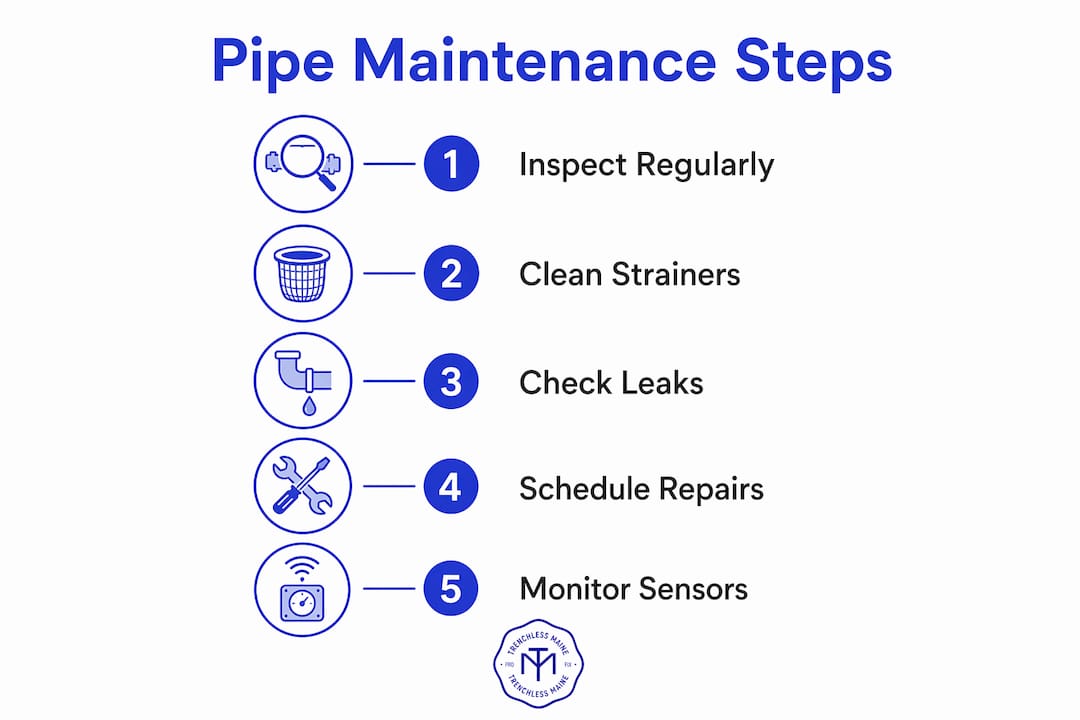
How to maintain your pipes with a practical routine schedule
A consistent schedule is what separates reactive homeowners from prepared ones. Here is a breakdown of tasks by frequency, covering what you can handle yourself and what needs a professional.
Weekly tasks:
- Check exposed pipes, toilets, sinks, and appliances like your dishwasher, refrigerator, and washing machine for cracks, brittleness, or leaking
- Pour a mixture of vinegar and baking soda down your drains to clear buildup. Experts recommend this over chemical drain cleaners, which can damage pipe materials if used incorrectly
- Check under sinks while water runs to confirm no pipes are dripping
Monthly tasks:
- Clean faucets and showerheads with the same vinegar and baking soda solution to prevent sediment buildup
- Confirm that sink and shower handles do not leak when the water is off
- Inspect strainers in sinks and showers and clear any debris
Every six months:
- Flush your storage-type water heater tank to remove sediment accumulation
- Check pipe insulation in unheated spaces like attics, basements, and garages for any gaps or damage
Annually:
- Have a professional plumber inspect your storage water heater for rust, broken valves, and loose or wet joints
- For tankless water heaters, hire a professional to check the burner (if gas), pressure relief valve, venting system, and water filter. Have heating coils professionally cleaned every two years
- If your home uses municipal sewers, hire a professional sewer service to snake the sewer line to prevent floor drain backups
- Have your septic system inspected and serviced if applicable
Every one to two years:
- Schedule a full professional plumbing inspection. Newer systems typically need this every two years; older homes benefit from annual visits
Seasonal (before winter):
- Insulate pipes in unheated spaces and seal any cracks or openings in crawl spaces
- Shut off the water supply to outdoor hoses, faucets, and sprinkler systems, then drain and insulate them
- If your home has a pressure regulator, confirm it is functioning correctly. If you do not have one, consult a plumber about installing one to protect your pipes from high-pressure stress
Pro Tip: Install strainers in all sinks and the shower. This single step prevents hair and debris from reaching your drain pipes and cuts your clog risk considerably without any ongoing effort.
What does homeowners insurance actually cover for plumbing leaks?
Homeowners insurance typically covers sudden, accidental plumbing leaks, such as a pipe that bursts unexpectedly or a washing machine hose that fails without warning. Water damage from those events, including damage to ceilings, floors, and walls, is usually included in a standard policy.
What most policies exclude is gradual damage. A slow drip behind a wall that goes unnoticed for months, or a corroded pipe that eventually fails, often falls outside coverage because insurers classify it as a maintenance issue rather than an accident. Mold resulting from a long-standing leak is frequently excluded for the same reason.
Routine preventive maintenance works in your favor here in two ways. First, it reduces the likelihood of the kind of failures that generate claims in the first place. Second, documented upkeep can support your position if a claim is disputed, demonstrating that you were not negligent. Some insurers also offer premium discounts for homeowners who install leak detection devices, so check with your provider before purchasing one.
Policy details vary widely, so read your specific coverage carefully and ask your agent directly about plumbing-related exclusions. Do not assume a burst pipe is always covered without confirming the circumstances your policy requires.
Expert-level pipe maintenance techniques that professionals use
Homeowner checks handle the basics, but professional-grade maintenance goes deeper. Understanding these methods helps you ask the right questions when hiring a plumber or pipe specialist.
Inspection technologies:
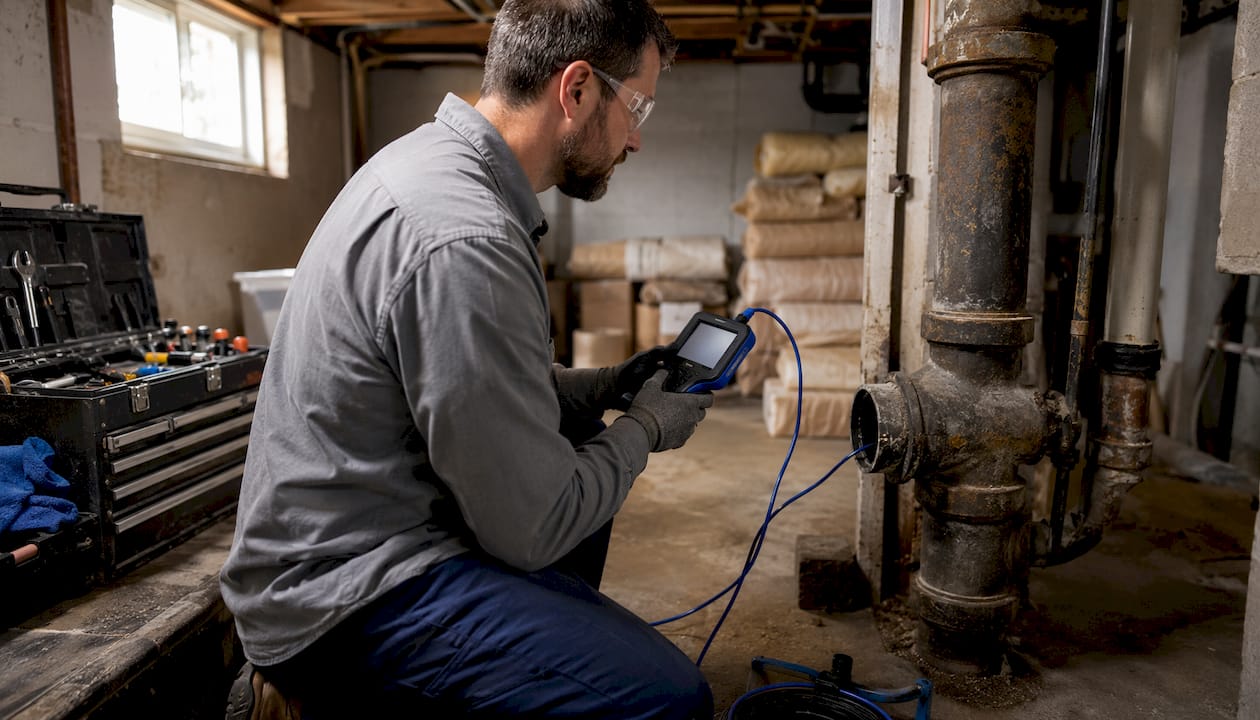
- CCTV camera inspection: A remotely operated camera travels through the pipe, capturing live footage to identify root intrusion, joint misalignment, blockages, and structural defects. CCTV is most effective for dry pipes and standard condition checks
- Sonar inspection: Used for submerged or sediment-filled lines where a camera cannot produce a clear image. Choosing the wrong method leads to incomplete diagnostics
- Ultrasonic wall thickness measurement: Assesses corrosion and remaining pipe life using quantitative data, enabling predictive pipe replacement before a failure occurs
- Laser and sonar profiling: Provides data on pipe deformation and sediment buildup that visual CCTV alone cannot detect
Cleaning methods:
- Hydro jetting uses high-pressure water to scour pipe walls clean. It is the preferred mechanical method because it removes grease, scale, and root intrusion without introducing chemicals that can degrade older metal pipes
- Chemical cleaners carry real risk. They can damage certain pipe materials, particularly older metal pipes already prone to corrosion, so professionals avoid them for routine maintenance
Documentation and SOPs:
- Standard operating procedures and maintenance checklists convert routine upkeep into consistent, measurable actions. They reduce human error and keep inspections aligned with manufacturer and safety standards
- Keeping a written maintenance log, including inspection dates, findings, and repairs, gives you a clear picture of your system's condition over time and supports any future insurance or warranty claims
Pro Tip: When scheduling a professional inspection, ask which pipe inspection methods are appropriate for your specific pipe material and conditions. CCTV works well for most residential lines, but older clay or cast iron pipes with heavy sediment may need sonar or profiling tools for an accurate assessment.
Trenchlessmaine brings over 50 years of combined expertise to pipe inspection and maintenance across Maine, using CIPP lining, hydro jetting, and camera inspection methods that avoid unnecessary excavation. Their work is backed by warranties up to 50 years, giving homeowners and property managers confidence that repairs last.
Key Takeaways
Preventive pipe maintenance protects your home by catching small plumbing issues early, before they escalate into costly repairs or property damage.
| Point | Details |
|---|---|
| Schedule professional inspections | Newer systems should be inspected by a plumber every two years; older homes or those needing frequent repairs require annual visits. |
| Weekly checks catch problems early | Inspect exposed pipes, fixtures, and appliances each week for leaks, stains, or cracks. |
| Use mechanical cleaning, not chemicals | Vinegar and baking soda for drains; hydro jetting for professional-grade pipe cleaning. |
| Winterize before temperatures drop | Insulate pipes in unheated spaces and shut off outdoor water supplies each fall. |
| Insurance favors maintained homes | Sudden leaks are typically covered; gradual damage from neglect usually is not. |