
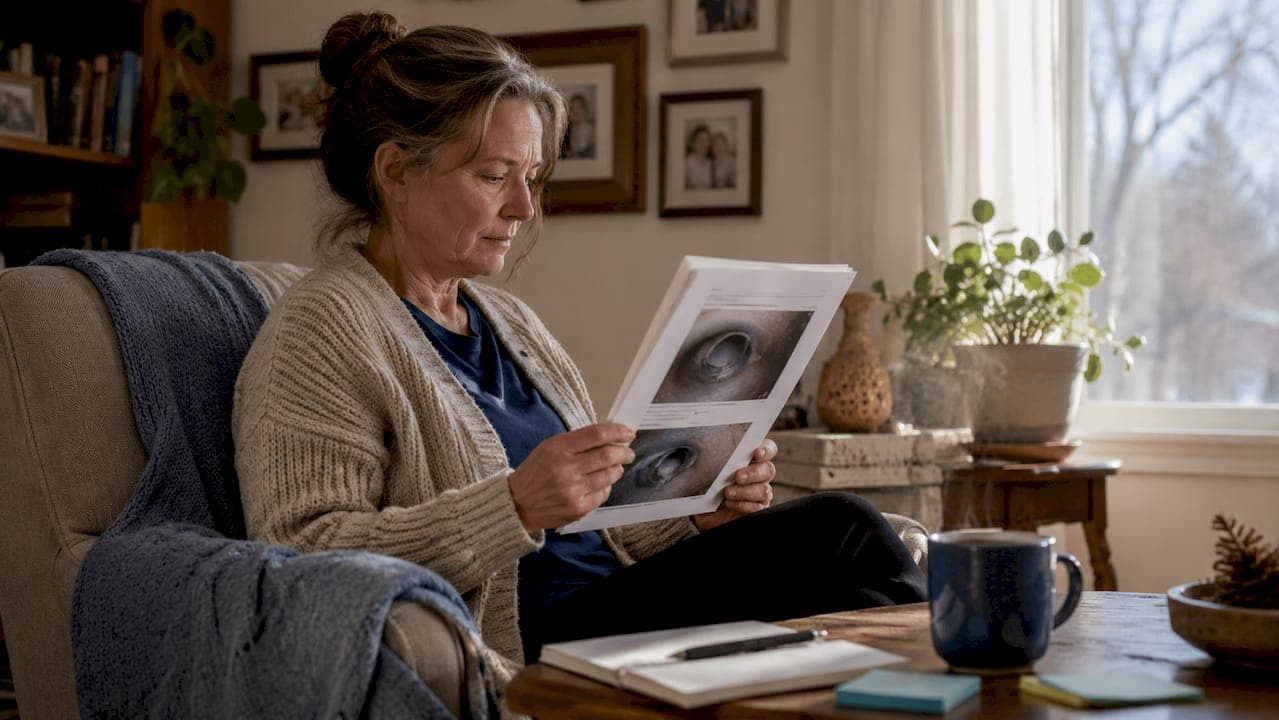
Pipe lining is defined as a trenchless repair method that installs a new, durable pipe inside your existing damaged sewer line without excavation. The industry standard term is Cured-In-Place Pipe lining, or CIPP. The pipe lining benefits for homeowners are significant: CIPP liners last over 50 years and effectively prevent root intrusion, which causes 70% of sewer blockages. That single statistic explains why so many Maine homeowners are choosing this method over traditional dig-and-replace repairs. Trenchlessmaine specializes in CIPP lining, hydro jetting, and camera inspections across Maine, delivering results that protect your property and your budget.
1. Pipe lining benefits for homeowners: the full picture
Pipe lining delivers advantages that go well beyond simply fixing a broken pipe. Each benefit compounds on the others, making CIPP a genuinely superior choice for most residential sewer repairs.
-
Lifespan exceeding 50 years. Traditional clay or cast iron pipes corrode and crack over decades. CIPP liners resist corrosion because they are made with epoxy resin cured to withstand the chemical environment of residential wastewater. That means you are not just patching a problem; you are installing a pipe that will likely outlast your mortgage.
-
No damage to your yard, driveway, or landscaping. Traditional excavation tears up grass, gardens, concrete, and pavers. Trenchless lining preserves landscaping and hardscaping entirely, because technicians work through existing access points. If you have invested in mature trees, a paved driveway, or a garden, that investment stays intact.
-
Lower total cost than excavation. The upfront cost per foot of CIPP lining can appear higher than a simple pipe section replacement. However, trenchless methods save 30–40% overall by eliminating excavation labor, equipment, and landscape restoration costs. The savings become even clearer when you factor in the weeks of disruption that traditional repairs require.
-
Improved water flow. The seamless, jointless interior of a CIPP liner removes the rough edges, joints, and cracks where roots and sediment accumulate. Drainage improves immediately after installation, and the smooth surface keeps it that way long term.
-
Root and chemical resistance. Epoxy resin does not give tree roots a foothold. Roots enter pipes through joints and cracks; a CIPP liner eliminates both. The resin also resists household chemicals, grease, and the acidic environment of wastewater.
-
Structural reinforcement. A CIPP liner bonds to the interior of your existing pipe and adds structural strength. Pipes that have thinned from corrosion or cracked from ground movement regain integrity without full replacement.
-
Easier long-term maintenance. Smooth pipe interiors reduce blockages and make routine camera inspections straightforward. You spend less on emergency plumbing calls over the life of the liner.
-
Increased home value. Documented, warranty-backed repairs give potential buyers confidence in your plumbing system. A 50-year liner backed by a written warranty is a selling point, not just a maintenance record.
Pro Tip: Ask your contractor for a copy of the post-installation camera inspection report. That document proves the liner was installed correctly and supports any future warranty claim.
2. How does the pipe lining process work?
The pipe lining process follows five distinct phases, each critical to a lasting repair. Understanding each step helps you know exactly what to expect on the day of service.
-
CCTV inspection. A technician feeds a small camera through your sewer lateral to locate cracks, root intrusion, corrosion, or pipe deformation. This step determines whether your pipe is a good candidate for lining and identifies the exact location of damage.
-
High-pressure cleaning. Hydro jetting clears the pipe of grease, sediment, and root debris before the liner goes in. A clean pipe surface is required for the epoxy resin to bond correctly. Skipping this step is the most common cause of liner failure.
-
Liner insertion. A flexible liner saturated with epoxy resin is inserted through an existing access point, such as a cleanout or manhole. No trenching is needed. The liner is positioned to cover the full length of the damaged section.
-
Curing. Heat, steam, or UV light activates the resin and hardens the liner against the interior of the host pipe. Curing time varies by method and pipe diameter, but most residential jobs cure within a few hours.
-
Final camera inspection. A post-repair camera inspection verifies that the liner has adhered correctly, that there are no wrinkles or voids, and that flow is restored. You receive documentation of the completed repair.
The entire process typically completes in one to two days. That compares favorably to traditional excavation, which can disrupt your property for three to five days or longer.
Pro Tip: Schedule your pipe lining repair during dry weather if possible. Groundwater infiltration during heavy rain can interfere with liner curing and adhesion.
3. Pipe lining vs. traditional pipe replacement: what you need to know
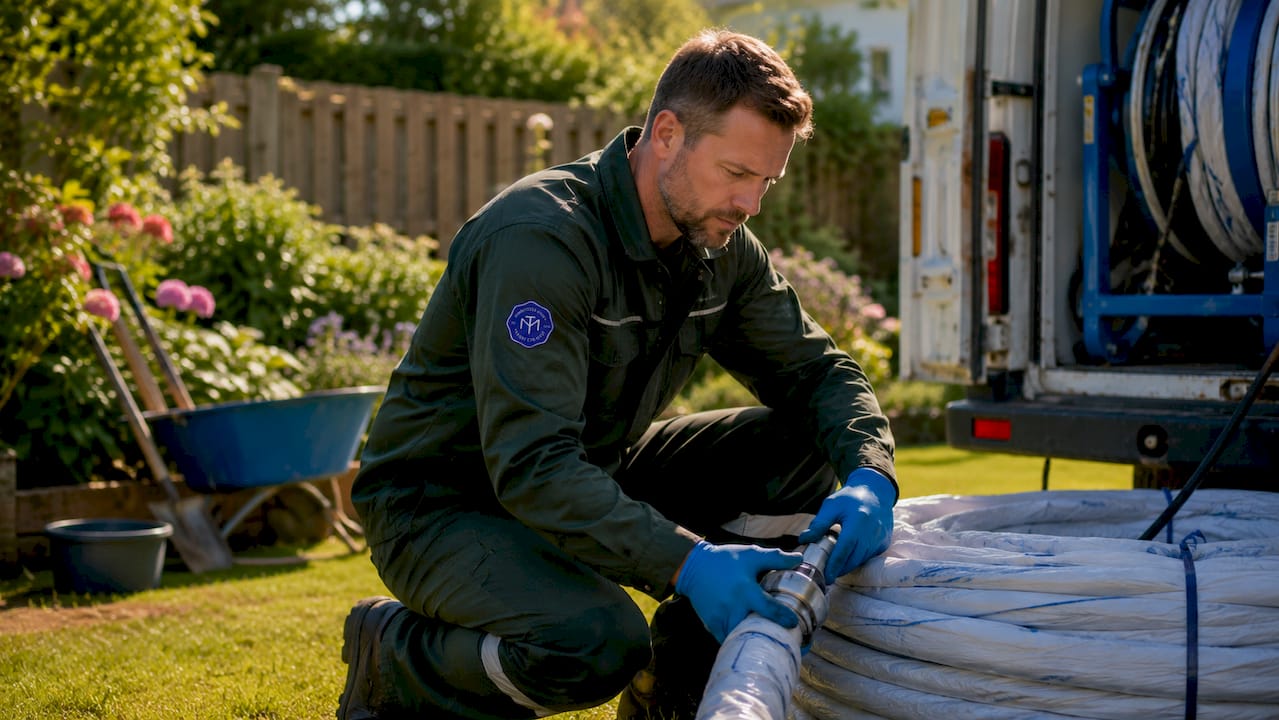
Traditional pipe replacement requires excavating a trench along the full length of the damaged pipe. That means heavy equipment in your yard, removal of concrete or pavers, and weeks of restoration work after the pipe is replaced. The disruption is significant, and the restoration costs are often as large as the pipe repair itself.
Pipe lining sidesteps all of that. The table below compares the two methods across the factors that matter most to homeowners.
| Feature | Pipe lining (CIPP) | Traditional replacement |
|---|---|---|
| Excavation required | None or minimal | Full trench along pipe length |
| Project duration | 1–2 days | 3–5 days or more |
| Landscaping impact | None | Significant damage |
| Lifespan | 50+ years | Varies by material |
| Total cost | Lower overall (saves restoration costs) | Higher when restoration is included |
| Root resistance | High (seamless, jointless interior) | Moderate (depends on pipe material) |
| Suitable for all pipes | No (not for fully collapsed pipes) | Yes |
The one situation where traditional replacement wins is a fully collapsed pipe or one with offset joints beyond 1–2 inches. A liner requires a pipe that is still roughly aligned so the liner can be inserted and positioned correctly. When a pipe has collapsed entirely, excavation is the only option. A professional camera inspection identifies this before any work begins.
For the vast majority of residential sewer problems, including cracks, root intrusion, corrosion, and minor deformation, CIPP lining is the faster, less disruptive, and more cost-effective choice. Learn more about your underground pipe repair options to understand where lining fits in the full range of trenchless solutions.
4. Situations where pipe lining is the best choice
Pipe lining is not the right solution for every pipe problem, but it is the clear winner in several common homeowner scenarios.
-
You have expensive landscaping or hardscaping. If your sewer line runs under a mature garden, a paved patio, or a decorative driveway, excavation would destroy what you have built. Lining leaves all of it untouched.
-
Your pipe runs under a concrete slab or driveway. Breaking concrete to access a pipe adds significant cost and repair time. CIPP lining accesses the pipe through existing cleanouts, avoiding the slab entirely.
-
Root intrusion is the problem. Tree root intrusion is the leading cause of sewer blockages in Maine. If roots have entered through joints or cracks but the pipe is still structurally sound, lining seals those entry points permanently.
-
You need a fast repair. If you are dealing with slow drains or a partial blockage, you cannot wait weeks for excavation and restoration. Most CIPP jobs finish in one to two days, restoring full function quickly.
-
You want a long-term solution, not a patch. Temporary repairs like pipe patching or root cutting buy time but do not solve the underlying problem. A CIPP liner addresses the root cause and provides a 50-year solution.
-
You are preparing to sell your home. A documented, warranty-backed liner is a concrete asset for buyers. It removes sewer condition as a negotiation point and signals that the home has been well maintained.
One caution: if a camera inspection reveals that your pipe has fully collapsed or shifted severely out of alignment, lining is not viable. In that case, targeted excavation is the responsible choice. A qualified technician will tell you this upfront after the initial inspection.
Key takeaways
Pipe lining is the most cost-effective, minimally disruptive sewer repair option for homeowners whose pipes are damaged but still structurally aligned.
| Point | Details |
|---|---|
| CIPP liners last 50+ years | Epoxy resin resists corrosion, roots, and chemicals better than older pipe materials. |
| No excavation needed | Most jobs complete in 1–2 days with zero damage to yards, driveways, or gardens. |
| Lower total cost | Trenchless methods save 30–40% overall by eliminating excavation and restoration expenses. |
| Root intrusion is solved permanently | The seamless liner removes all joints and cracks where roots enter the pipe. |
| Not suitable for collapsed pipes | A professional camera inspection determines whether lining or excavation is the right call. |
Why I think most homeowners underestimate pipe lining
The homeowners I talk to are almost always surprised by two things: how little digging is involved, and how quickly the job is done. They expect a week of torn-up yard and a large crew. What they get is a technician, a camera, and a liner that cures while they go about their day.
What I find more interesting is the long-term math. Homeowners focus on the upfront quote and compare it to a simple pipe patch. They rarely factor in the cost of restoring a driveway, replanting a garden, or repouring a concrete slab after traditional excavation. When you add those numbers in, lining almost always wins on total cost.
The other thing worth saying plainly: the quality of the inspection matters as much as the quality of the liner. I have seen liners fail not because the product was poor, but because the pipe was not cleaned thoroughly or the alignment was not assessed carefully before installation. Professional pipe preparation is not optional. It is what separates a 50-year repair from a five-year problem.
My honest advice to any homeowner considering this: get the camera inspection first, ask for the report, and choose a contractor who shows you the footage. If they skip the inspection or rush the cleaning step, walk away. The liner is only as good as the preparation behind it.
— John
Trenchlessmaine's pipe lining services for Maine homeowners
Trenchlessmaine brings over 50 years of combined expertise to residential sewer repairs across Maine, with a focus on CIPP lining that protects your property and lasts for decades.
Every job starts with a professional camera inspection service to confirm your pipe is a good candidate for lining. From there, Trenchlessmaine handles high-pressure cleaning, liner installation, curing, and a final verification inspection, all with minimal disruption to your home. Warranties back the work for up to 50 years. If you are dealing with slow drains, root intrusion, or aging sewer lines in Maine, contact Trenchlessmaine for a consultation and a customized quote. You can also explore hydro jetting options as a complementary service for thorough pipe cleaning before lining.
FAQ
How long does pipe lining last?
CIPP liners last over 50 years when properly installed. The epoxy resin resists corrosion, root intrusion, and chemical damage better than traditional cast iron or clay pipe materials.
Does pipe lining work for all types of pipe damage?
Pipe lining works for cracks, root intrusion, corrosion, and minor deformation. It is not suitable for fully collapsed pipes or those with offset joints beyond 1–2 inches, which require excavation.
How much does pipe lining cost compared to traditional replacement?
Trenchless pipe lining typically costs 30–40% less overall than traditional replacement when you factor in excavation labor, equipment, and landscape restoration. The upfront cost per foot may appear higher, but the total project cost is lower.
How long does a pipe lining job take?
Most residential pipe lining jobs complete in one to two days. Traditional excavation and pipe replacement typically takes three to five days or more, plus additional time for landscape restoration.
Will pipe lining improve my home's resale value?
Yes. A documented, warranty-backed CIPP liner gives potential buyers confidence in the plumbing system and removes sewer condition as a negotiation concern during a home sale.