
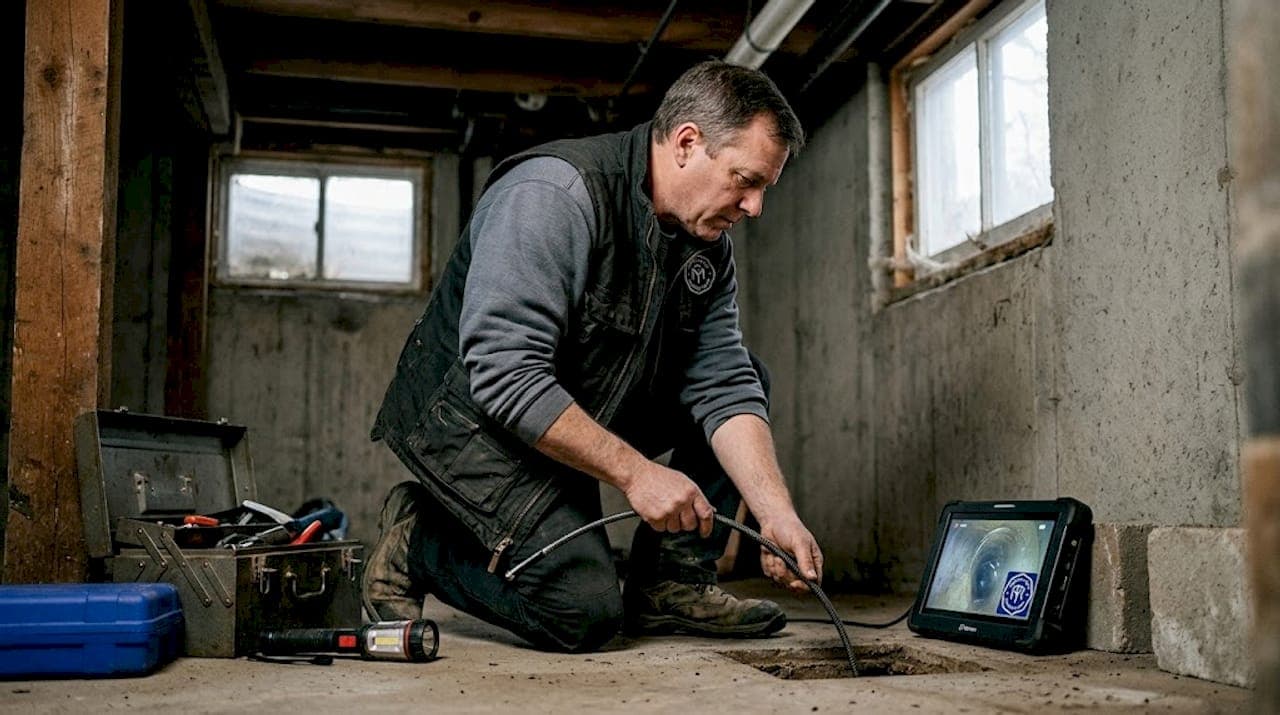
Digging up your yard to find a sewer problem is never fun. In Maine, it's even worse. Rocky soil, frost-heaved ground, and short construction windows make traditional excavation costly, slow, and genuinely disruptive. The good news is that modern, non-invasive pipe inspection methods let professionals pinpoint problems with precision, often without moving a single shovelful of dirt. This article walks you through the most reliable options available to Maine homeowners and property managers, how each one works, and how to choose the right approach for your specific situation.
Table of Contents
- How to evaluate pipe inspection methods for your Maine property
- CCTV camera inspection: The go-to non-invasive solution
- Other non-invasive methods: Smoke testing and hydrostatic testing
- Comparing inspection methods: Pros, cons, and best uses
- Our perspective: What most articles miss about modern pipe inspection
- Non-invasive inspection and trenchless repair with Trenchless Maine
- Frequently asked questions
Key Takeaways
| Point | Details |
|---|---|
| Non-invasive first | Modern camera and smoke tests find most pipe issues without tearing up your yard. |
| Method combinations | Using more than one technique catches more problems, especially in Maine’s older homes. |
| Choose for conditions | Rocky soil, frost, and pipe material affect which inspection methods work best in Maine. |
| Documentation matters | High-quality reports support insurance claims and smooth real estate transactions. |
How to evaluate pipe inspection methods for your Maine property
With the need for minimal disruption clear, let's outline how to approach selecting the right method for your Maine property.
Maine presents a unique set of challenges that most generic plumbing guides simply don't address. Rocky ledge just below the surface makes excavation expensive and unpredictable. Frost penetrates deep into the ground each winter, shifting pipes and accelerating deterioration. Many properties, especially older homes in Portland, Bangor, or Augusta, sit on old pipe materials like clay or Orangeburg that are already fragile. These factors directly affect which inspection method makes the most sense for you.
When evaluating your options, keep these factors in mind:
- Pipe material and age: Clay, cast iron, and Orangeburg pipes each behave differently under inspection tools. Older pipes may not tolerate pressure-based tests without risk.
- Access points: Does your property have a cleanout? If not, some methods require additional setup before inspection can begin.
- Scope of concern: Are you investigating a slow drain, a suspected leak, or doing due diligence before a home sale? The goal shapes the method.
- Budget and downtime: Some methods take a few hours; others require isolating sections of pipe for a full day or more.
- Soil and site conditions: Frost damage, tree root pressure, and soil type all influence what you're likely to find and how urgently you need to act.
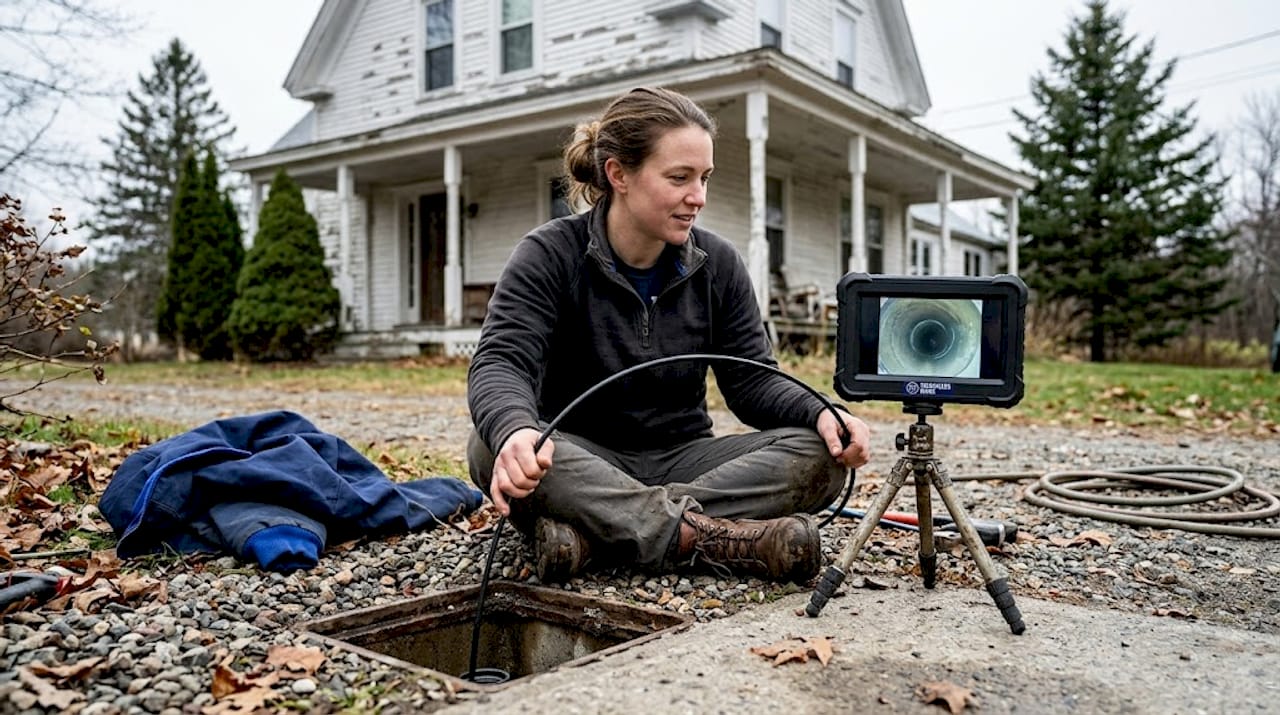
The gold standard for residential properties is CCTV sewer camera inspection, which uses a waterproof camera on a flexible cable inserted via a cleanout to provide real-time video of interior pipe conditions, identifying cracks, roots, blockages, and corrosion without any digging. It's fast, accurate, and produces documentation you can actually use.
Pro Tip: Schedule your inspection in early spring after the frost thaws. That's when spring sewer maintenance reveals the most damage from winter ground movement, giving you the clearest picture of what needs attention before the busy season.
CCTV camera inspection: The go-to non-invasive solution
Now that you know what to look for, let's dive into the most popular non-invasive method used in Maine.
CCTV camera inspection is exactly what it sounds like. A technician feeds a small, waterproof camera attached to a flexible cable into your pipe system, usually through an existing cleanout access point. The camera transmits live video to a monitor above ground, giving the technician a clear, real-time view of your pipe's interior. The whole process typically takes one to two hours for a standard residential lateral.
Here's what a CCTV inspection can detect:
- Root intrusion: Tree roots are one of the most common causes of sewer blockages in Maine. The camera shows exactly where roots have entered and how severe the intrusion is.
- Cracks and fractures: Frost heave and soil shifting cause pipe walls to crack. The camera captures these before they become full failures.
- Pipe deformation: Older pipes can sag or collapse partially, creating low spots where waste accumulates.
- Corrosion and buildup: Grease, mineral scale, and corroded pipe walls all show clearly on video.
- Blockages: Whether it's a foreign object or accumulated debris, the camera locates it precisely.
The real-time video feed is one of CCTV's biggest advantages. You're not guessing. You see the problem, its exact location, and its severity. That documentation is invaluable if you're planning a repair, filing an insurance claim, or disclosing pipe condition during a real estate transaction.
Keep in mind: CCTV inspection is a visual tool. It shows what's inside the pipe. If a leak is seeping outward with no visible sign on the interior wall, the camera may not catch it. That's when supplemental testing becomes necessary.
If you've noticed sewer gas clues like sulfur odors near drains, or you're seeing early warning signs like recurring backups, a camera inspection should be your first call.
Pro Tip: Always ask for a recorded copy of the inspection footage. A reputable technician will provide it. That video becomes part of your property record and can support future repair decisions or negotiations.
Other non-invasive methods: Smoke testing and hydrostatic testing
While camera inspection covers most visual issues, some leaks and failures need different approaches.
Smoke testing introduces non-toxic, visible smoke into the pipe system under low pressure. The smoke travels through the pipe and escapes wherever there's a break, crack, or improper connection. Technicians watch above ground for smoke rising from unexpected locations, including yard surfaces, foundation walls, or even interior drains. It's particularly effective for finding cross-connections and illegal tie-ins that a camera might miss entirely.
Smoke testing works well in these situations:
- Suspected inflow and infiltration (rainwater entering the sewer system)
- Identifying breaks near the surface that don't show up on camera
- Checking multiple connections across a larger property or municipal segment
- Verifying that a repair properly sealed the pipe
One important note for Maine homeowners: smoke testing requires notifying neighbors and local authorities in advance, since the smoke can appear alarming. It also works best in dry conditions, so plan around winter sewer risks and avoid scheduling during freeze-thaw cycles when ground conditions are unpredictable.
Hydrostatic testing takes a different approach. The pipe section is isolated, filled with water, and then monitored over time for pressure drop. A drop in pressure indicates a leak somewhere in that section. According to sewer line inspection standards, hydrostatic testing is most often used for post-repair verification rather than initial diagnosis, because it requires isolating the pipe and is more involved than camera methods.
For a broader view of how these methods compare with international inspection practices, the fundamentals remain consistent: non-invasive first, targeted testing second.
Statistic to know: Studies indicate that undetected sewer leaks can waste thousands of gallons of water annually and contribute to foundation damage that costs far more to repair than the original pipe issue.
Comparing inspection methods: Pros, cons, and best uses
To choose with confidence, see how these methods stack up side-by-side.
| Method | Best for | Pros | Cons |
|---|---|---|---|
| CCTV camera | Initial diagnosis, pre-sale checks | Real-time video, no digging, precise location | Misses leaks with no visible interior signs |
| Smoke testing | Leak tracing, inflow detection | Finds surface breaks and cross-connections | Requires neighbor notification, weather-dependent |
| Hydrostatic testing | Post-repair verification | Confirms watertightness objectively | More involved, requires pipe isolation |
As CCTV inspection data consistently shows, camera inspection excels for visual defects but misses leaks without visible signs. Combining it with smoke or hydrostatic testing gives you a far more thorough picture, especially in Maine's challenging environment.
Here's a numbered guide for matching method to situation:
- Buying or selling a home: Start with CCTV. It gives you documented evidence of pipe condition that protects both buyer and seller.
- Recurring drain problems: CCTV first to identify the cause, then hydrostatic testing if a leak is suspected but not visible.
- After a repair: Use hydrostatic testing to confirm the fix held, then follow up with a camera pass to verify interior condition.
- Suspected groundwater infiltration: Smoke testing is your best tool for tracing where water is entering the system.
- Older property with unknown pipe history: Combine CCTV with smoke testing for the most thorough non-invasive assessment before committing to any repair plan.
For Maine properties, preventative sewer maintenance using a step-by-step inspection approach saves money and avoids the emergency repair costs that come from catching problems too late.
Our perspective: What most articles miss about modern pipe inspection
You've seen the technical comparisons. Here's what our experience actually tells us.
Most homeowners pick one inspection method and stop there. That's understandable. It feels like enough. But in Maine, with its combination of old housing stock, aggressive frost cycles, and unpredictable soil, a single method often leaves gaps. We've seen properties where a camera inspection looked clean, but smoke testing revealed a cracked lateral just below the surface that was quietly letting groundwater in every spring.
Conventional advice also underestimates the value of documentation. A thorough inspection record, especially video footage and written reports, becomes a real asset during insurance claims and real estate transactions. It's not just about finding problems today. It's about having proof of pipe condition that protects you for years.
Issues related to age and material issues in older Maine homes make this especially true. And if you're weighing septic vs sewer questions, knowing your pipe condition before making that decision is essential. A stepwise, least-invasive-first approach consistently delivers the best return for homeowners who want to protect their investment without overspending.
Non-invasive inspection and trenchless repair with Trenchless Maine
Armed with knowledge, you're ready to take the next step toward safer, less disruptive sewer repairs.
At Trenchless Maine, we specialize in exactly the methods covered in this article. Our team uses professional-grade CCTV camera systems, smoke testing, and hydrostatic verification to give you a complete picture of your pipe's condition before recommending any repair. When repair is needed, our no-dig repair technology means your yard, landscaping, and driveway stay intact.
Explore our full inspection and repair services to see what's available in your area, or check out our before and after results to see what non-invasive repair looks like in practice. With over 50 years of combined expertise and warranties up to 50 years, we're built for Maine's toughest conditions. Contact us today for a free quote.
Frequently asked questions
What is the least disruptive way to inspect sewer pipes in Maine?
CCTV camera inspection is the least disruptive method, allowing technicians to diagnose pipe problems in real time without any excavation or yard disturbance.
Can camera inspection find all sewer pipe leaks?
CCTV cameras identify most visual defects clearly, but leaks with no interior surface signs may require smoke or hydrostatic testing. For full coverage, combining methods is the most reliable non-invasive approach.
Is hydrostatic testing safe for old pipes?
Hydrostatic testing can be applied safely when pipes are structurally sound, but older or fragile lines need professional evaluation first. Pressure monitoring during testing helps avoid adding stress to already compromised pipe sections.
How often should Maine property owners inspect their sewer lines?
Inspecting every two to three years is a reasonable baseline, and you should also inspect before buying or selling a property, after any major root clearing, or whenever you notice slow drains or persistent odors.
Recommended
- Why You Need a Sewer Scope Before Buying a Home in Maine
- Before & After Gallery | Trenchless Sewer Repair Projects | Trenchless Maine
- Old Clay & Orangeburg Pipes in Maine: When to Repair, When to Replace
- Sewer Gas Smell in Your Maine Home? Here's What It Means
- Plumbing Home Inspection Photos | Chicago Home Inspect LLC
- Annual Plumbing Inspection Checklist | Stultz Plumbing