
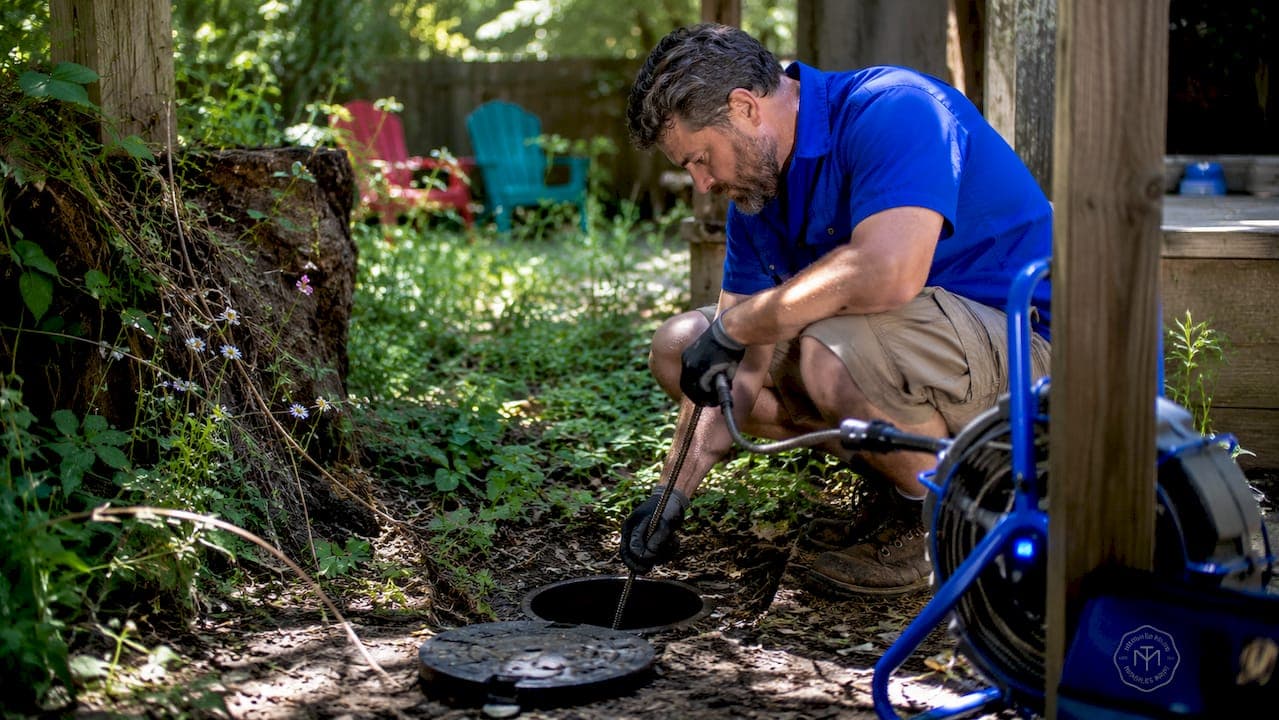
Cured-in-place pipe, known in the industry as CIPP, is a trenchless rehabilitation method that repairs damaged sewer pipes by forming a brand-new pipe inside the existing one without digging up your yard. A resin-saturated flexible liner is inserted into the damaged host pipe, then cured in place to create a seamless, joint-free pipe that adds 20–40 years of service life. This method works on clay, concrete, cast iron, and plastic pipes, making it one of the most versatile options available to homeowners. Trenchlessmaine uses CIPP lining as a core service for residential sewer repair across Maine, and this guide explains exactly how it works, what it costs, and whether it fits your situation.
What is cured-in-place pipe and how does it work?
CIPP is defined as a close-fit liner system that restores structural integrity to a deteriorated pipe from the inside out. No trenching. No heavy equipment tearing up your driveway or garden. The result is a pipe within a pipe, fully bonded to the interior of the old host pipe.
The process follows a clear sequence:
- Camera inspection. A technician runs a video camera through the pipe to assess damage, measure diameter, and confirm the host pipe has enough structural integrity for lining.
- Cleaning. The pipe is flushed and cleared of debris, roots, and buildup. Hydro jetting is the most effective cleaning method before liner insertion.
- Liner preparation. A flexible felt or fiberglass tube is saturated with a thermosetting resin, typically epoxy or polyester.
- Insertion. The saturated liner is inserted using either an inversion method (air or water pressure pushes it inside-out through the pipe) or a pull-in method (the liner is pulled through from one end).
- Curing. Heat, pressurized hot water, steam, or UV/LED light activates the resin, hardening the liner into a rigid, smooth pipe.
- Reinstatement. Any lateral connections are reopened using a robotic cutter, and a final camera inspection confirms the repair.
The entire process typically completes within one day for a standard residential sewer lateral. That speed is one of the biggest practical advantages for homeowners who cannot afford extended service disruptions.
CIPP suits a wide range of pipe materials, including clay, concrete, cast iron, and various plastics. The NASSCO Pipeline Rehabilitation Matrix classifies CIPP as a close-fit liner applicable across most common residential pipe types. The key requirement is that the host pipe retains enough shape to accept the liner.
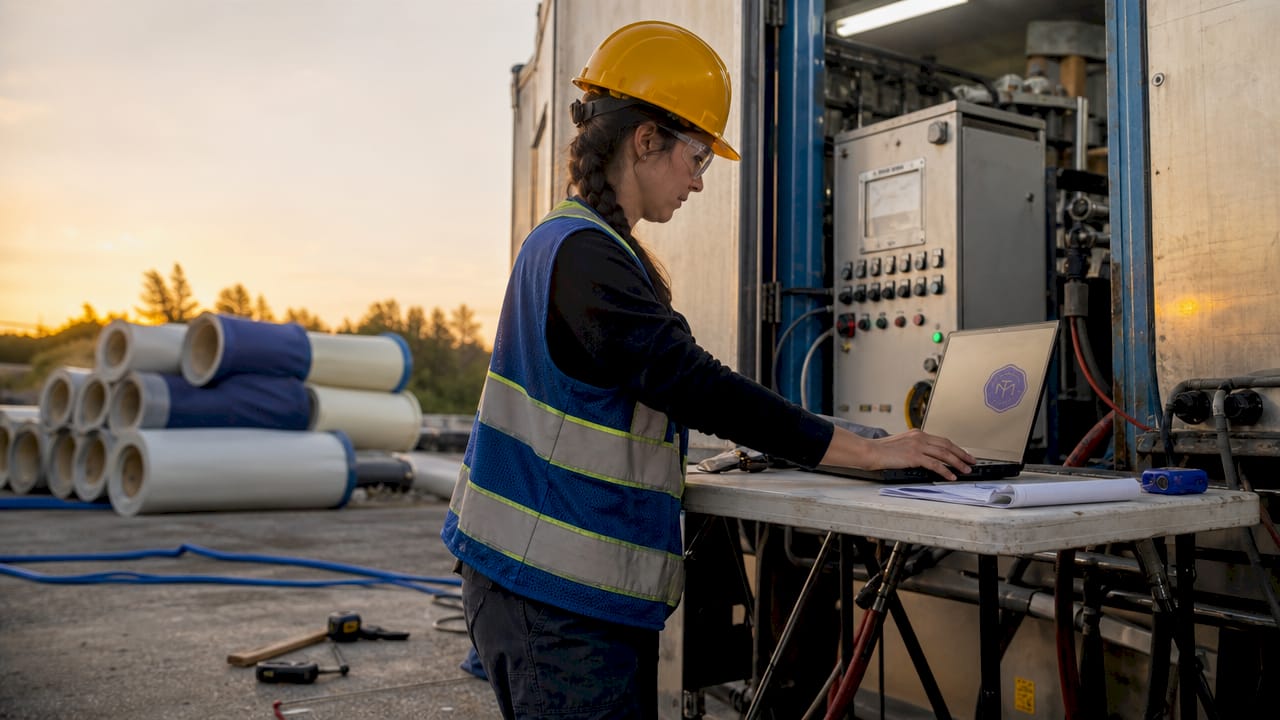
Pro Tip: Ask your contractor to share the pre-installation camera footage. Seeing the damage firsthand helps you understand the scope of work and confirms the pipe is a good candidate for lining.
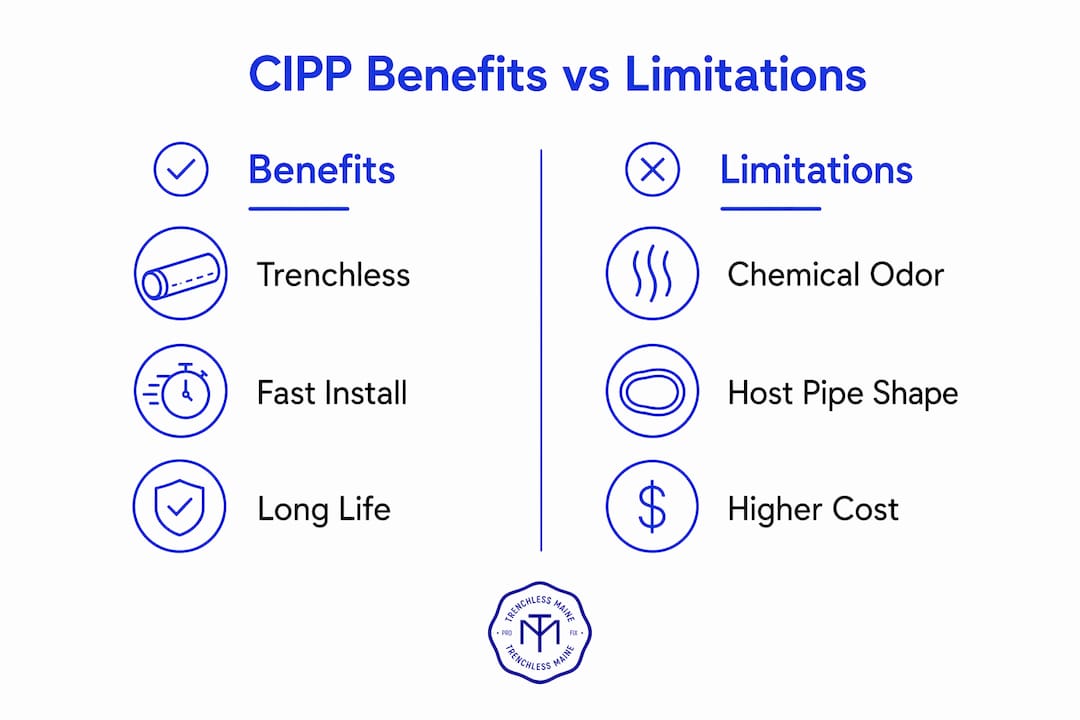
What are the benefits and limitations of CIPP?
CIPP delivers real, measurable advantages over traditional open-cut pipe replacement. At the same time, it has specific constraints you need to know before committing.
Benefits worth knowing
- No excavation. CIPP requires only small access points, usually an existing cleanout or a single small dig. Your lawn, driveway, and landscaping stay intact.
- Long service life. CIPP adds 20–40 years to a deteriorated sewer lateral. That is a significant extension for a pipe that might otherwise need full replacement.
- Structural restoration. The cured liner meets ASTM F1216 and ASTM F2019 standards, restoring the pipe's ability to handle normal flow loads and resist root intrusion.
- Faster completion. Most residential CIPP jobs finish within 24 hours. Traditional excavation can take several days and requires backfilling and surface restoration afterward.
- Lower total cost. CIPP may cost more than a simple spot repair, but it avoids the landscaping and pavement restoration costs that follow open-cut work.
- Trenchless repair methods](https://blog.trenchlessmaine.com/blog/what-is-trenchless-sewer-repair-maine-homeowners) like CIPP are increasingly recommended for residential sewer repairs precisely because they reduce total project disruption and restoration expense.
Limitations to consider
- Not for fully collapsed pipes. CIPP cannot rehabilitate a pipe that has lost its shape entirely. If the host pipe has collapsed, pipe bursting or full replacement becomes necessary.
- Temporary odor. The resin curing process can emit a chemical smell, often described as a styrene odor. This is temporary but noticeable.
- Reduced diameter. The liner adds a small amount of thickness to the pipe wall, slightly reducing the internal diameter. For most residential pipes, this reduction is negligible.
- Access requirements. The liner needs a clear path through the pipe. Severe offset joints or extreme deformation may prevent liner insertion.
Pro Tip: If you notice a chemical odor during installation, seal your floor drains and open windows in the affected area. Your contractor should also set up ventilation at the access point to draw fumes away from living spaces.
How much does cured-in-place pipe lining cost?
CIPP costs for residential sewer lateral repair typically range from $4,500 to $12,000 as of 2026. That range reflects real variation in project complexity, not just contractor pricing differences.
Several factors drive the final number:
| Cost Factor | How It Affects Price |
|---|---|
| Pipe length | Longer runs require more liner material and longer curing time |
| Pipe diameter | Larger pipes need more resin and heavier liner fabric |
| Access difficulty | Limited access points increase labor and setup time |
| Depth | Deeper pipes require more excavation for access points |
| Pipe condition | Severe damage may require additional cleaning or prep work |
CIPP is typically 10–30% more expensive than a comparable spot-repair excavation on a per-foot basis. The difference narrows quickly once you factor in landscape restoration, pavement repair, and the disruption costs of open-cut work. For a full sewer lateral running 50–100 feet under a finished yard, CIPP almost always delivers better total value.
Site-specific design requirements also affect cost. Accurate pipe measurements, controlled curing conditions, and the number of access points all influence the final price. A proper camera inspection before quoting is non-negotiable for an accurate estimate.
What lifespan and durability can you expect from CIPP?
A properly installed CIPP liner adds 20–40 years of functional life to a deteriorated pipe. That figure comes from decades of field performance data and is supported by ASTM standards that govern material performance and installation quality.
The cured liner resists the most common causes of residential pipe failure:
- Root intrusion. The seamless, joint-free surface eliminates the entry points that roots exploit in clay and concrete pipes.
- Corrosion. Epoxy and polyester resins resist chemical attack from sewage and soil conditions that degrade cast iron and concrete over time.
- Leaks and infiltration. The tight bond between liner and host pipe stops groundwater from entering the sewer line, which reduces flow volume and treatment costs.
- Wear. The smooth interior surface of a cured liner actually improves flow compared to a corroded or root-invaded original pipe.
CIPP technology has been in use for over 50 years and has evolved into a standardized rehabilitation method with a design life comparable to new pipe installation. That track record matters when you are making a decision that affects your home's plumbing for decades.
Professional installation is the single biggest variable in long-term performance. A liner installed by a contractor who follows ASTM F1216 and F2019 protocols will consistently outperform one installed without proper quality controls. Always ask for documentation of the standards your contractor follows.
What should homeowners know before choosing CIPP?
Choosing CIPP is not just about deciding on a repair method. It requires some preparation and realistic expectations about the process.
- Pre-installation inspection is mandatory. A video camera inspection confirms pipe diameter, identifies obstructions, and verifies the host pipe can accept a liner. Skipping this step leads to failed installations.
- Pipe cleaning comes first. Grease, roots, and debris must be removed before the liner goes in. Hydro jetting is the standard cleaning method. A dirty pipe prevents the liner from bonding properly to the host pipe wall.
- Host pipe integrity matters. Fully collapsed pipes are not candidates for CIPP. Your contractor will assess this during the camera inspection and recommend pipe bursting or replacement if needed.
- Odor management is your contractor's responsibility. A qualified contractor will seal interior drains and ventilate the work area to minimize chemical odors inside your home during curing.
- Timeline is usually short. Most residential CIPP projects complete within one day. You may need to avoid using plumbing fixtures for several hours while the liner cures.
- Verify licensing and standards compliance. Ask your contractor whether they follow ASTM F1216 or F2019. These standards govern liner design, material testing, and installation procedures. A contractor who cannot answer that question is a red flag.
For homeowners considering minimally invasive sewer repair, understanding these preparation steps makes the difference between a repair that lasts 40 years and one that fails prematurely.
Key Takeaways
CIPP is the most practical trenchless option for homeowners with deteriorated sewer laterals, delivering 20–40 years of added service life without excavation when installed to ASTM standards.
| Point | Details |
|---|---|
| Core definition | CIPP forms a new seamless pipe inside a damaged host pipe using a cured resin liner. |
| Service life added | A properly installed liner extends pipe function by 20–40 years. |
| Cost range | Residential CIPP typically costs $4,500–$12,000 depending on pipe length, depth, and access. |
| Key limitation | Fully collapsed pipes cannot be lined; pipe bursting or replacement is required instead. |
| Standards compliance | ASTM F1216 and F2019 govern installation quality; always verify your contractor follows them. |
Why I think CIPP is underused in residential sewer repair
After years of working with Maine homeowners on sewer repairs, the pattern I see most often is this: a homeowner waits until a pipe fails completely, then faces a full excavation and a bill that could have been cut significantly with earlier CIPP intervention.
CIPP works best when the pipe is deteriorating but still structurally present. That window is wider than most people realize. Clay pipes from the 1950s and 1960s that show root intrusion and minor cracking are ideal candidates. Cast iron pipes with corrosion but no collapse are equally good. The technology has been refined over 50 years, and the CIPP lining process available today is far more reliable than what was installed in the early decades.
The odor concern is real but manageable. I have seen contractors handle it well with proper ventilation and drain sealing, and I have seen others ignore it entirely. That difference in professionalism is exactly why ASTM standards exist. When you are evaluating contractors, the question "Which ASTM standards do you follow?" separates the experienced professionals from the rest. Emerging UV and LED curing technologies are also reducing curing times and odor exposure, which makes the process more comfortable for occupied homes.
My honest advice: get a camera inspection done before you have a problem, not after. A $200 inspection that catches a deteriorating pipe early can save you from a $15,000 emergency repair. CIPP is not a last resort. It is a planned, proactive repair that works best when you act before the pipe gives out entirely.
— John
Trenchlessmaine's pipe repair services for Maine homeowners
Before any CIPP liner goes in, the host pipe needs to be clean. Trenchlessmaine provides professional hydro jetting in Maine to clear roots, grease, and debris from your sewer line before lining begins. High-pressure water jetting removes buildup that standard snaking cannot reach, giving the liner the clean surface it needs to bond properly. Trenchlessmaine also offers fast drain clearing for homeowners dealing with active blockages that need immediate attention. With over 50 years of combined expertise and service across most of Maine's cities, Trenchlessmaine delivers the full preparation and repair process under one roof. Contact Trenchlessmaine to schedule a camera inspection and get a clear picture of your pipe's condition before committing to any repair method.
FAQ
What is cured-in-place pipe lining used for?
CIPP is used to repair deteriorated sewer laterals, storm drains, and water mains without excavation. Common applications include fixing cracked clay pipes, corroded cast iron lines, and root-invaded concrete sewer pipes.
How long does a CIPP repair last?
A properly installed CIPP liner adds 20–40 years of service life to a deteriorated pipe. Longevity depends on correct installation following ASTM F1216 or F2019 standards and the condition of the host pipe at the time of repair.
Can CIPP fix a completely collapsed pipe?
No. CIPP requires the host pipe to retain enough shape to accept the liner. A fully collapsed pipe needs pipe bursting or full replacement instead.
How long does CIPP installation take?
Most residential CIPP projects complete within one day. You will typically need to avoid using plumbing fixtures for several hours while the liner cures, depending on the curing method used.
Does CIPP smell during installation?
The resin curing process can produce a temporary chemical odor. Sealing floor drains and ventilating the work area reduces odor inside the home, and a qualified contractor will manage this as part of the installation process.