
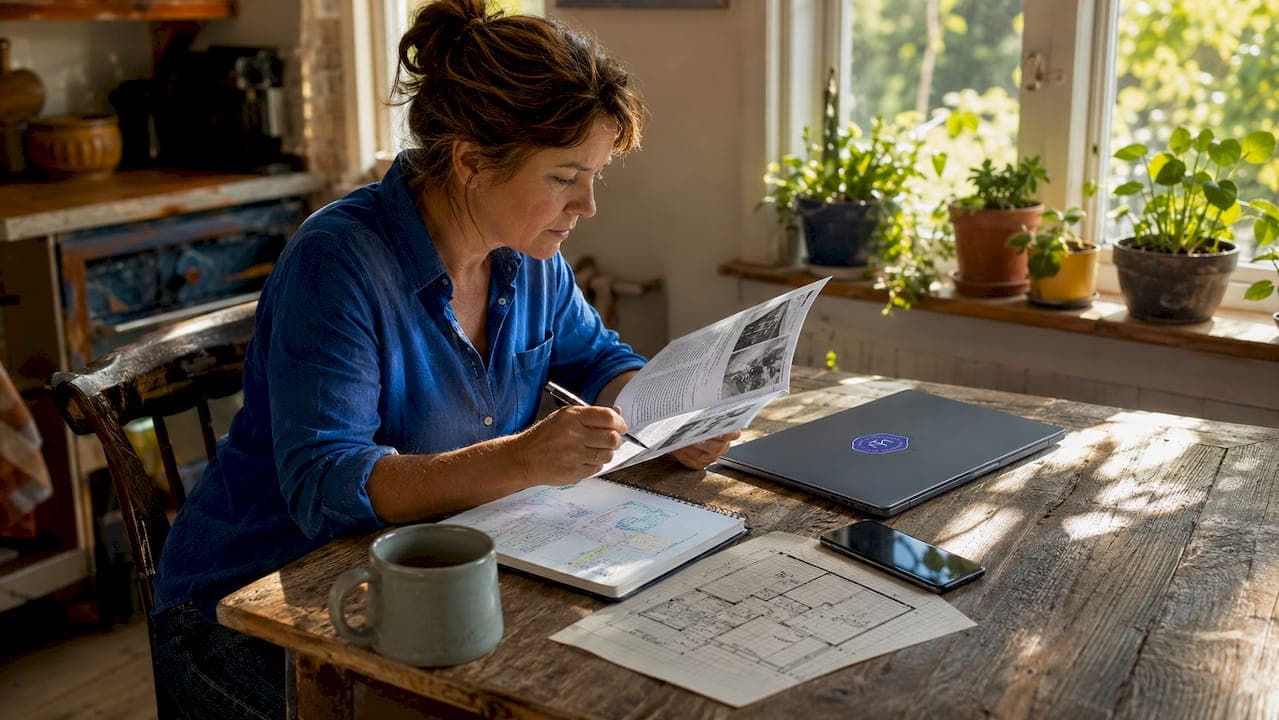
Innovative no-dig repair techniques are trenchless methods that restore or replace sewer pipes from the inside, eliminating the need for disruptive excavation. Known formally as trenchless rehabilitation, these methods include cured-in-place pipe (CIPP) lining, spray-applied linings like the OBIC Armor System, pipe bursting, sliplining, and composite restoration. Each approach targets a different pipe condition and property type. For homeowners and property managers in Maine, these no-dig pipe solutions protect landscaping, driveways, and patios while delivering repairs that can last up to 50 years.
1. What are innovative no-dig repair techniques?
Trenchless repair methods rehabilitate underground pipes without digging up your yard. Instead of excavating a trench along the full pipe run, technicians access the pipe through small entry points and repair or replace it from the inside. The result is a restored sewer line with minimal surface disruption.
These methods fall into two categories. Repair methods like CIPP lining and spray coatings work inside the existing host pipe. Replacement methods like pipe bursting fracture the old pipe and pull a new one through. Knowing which category applies to your situation is the first step toward choosing the right fix.
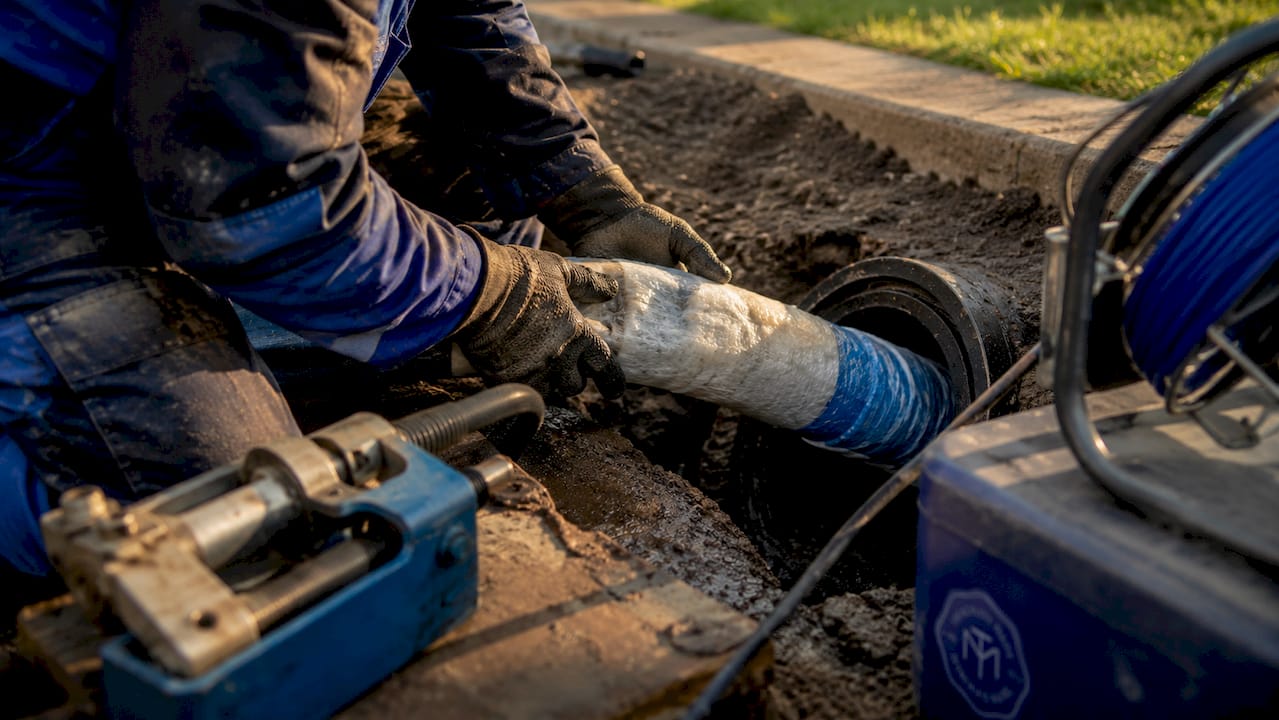
No-dig plumbing systems are especially valuable in urban and suburban settings. Trenchless technology reduces excavation complexity, traffic disruption, and surface restoration costs compared to traditional dig-and-replace work. For a Maine homeowner with a mature garden or a paved driveway over the sewer line, that difference is significant.
2. What is CIPP lining and how does it work?
CIPP lining is the most widely used no-dig pipe lining technique for residential sewer repair. A flexible liner saturated with resin is inserted into the damaged pipe, inflated against the pipe walls, and then cured in place to form a rigid, jointless new pipe inside the old one. The result seals cracks, blocks root intrusion, and restores structural integrity without a single shovel in the ground.
The curing method matters. Thermal curing uses hot water or steam and takes several hours. UV curing completes in 1–2 hours, produces no wastewater, and causes less disruption on residential properties. UV is increasingly the preferred choice for homeowners who need speed and a clean worksite.
CIPP lining works well under landscaping, patios, and driveways where excavation would cause serious damage. Common applications include:
- Cracked or fractured pipes from ground movement or age
- Root intrusion in clay or concrete sewer laterals
- Corroded cast iron or clay pipes in older Maine homes
- Pipes under hardscaped surfaces where digging is costly
Pro Tip: CIPP lining reduces internal pipe diameter by approximately 6–12 millimeters. Ask your contractor to confirm the lined pipe still meets the hydraulic capacity your property needs, especially if you have a high-flow household.
3. How do spray-applied lining systems work?
Spray-applied lining systems coat the inside of a pipe or manhole with a fast-setting waterproof material, building up structural thickness in a single visit. The OBIC Armor System is one example of this technology, designed for manholes, pipe joints, and sections where a traditional liner cannot be installed easily.
Speed is the defining advantage. Spray lining reduces project times by 4–5 times compared to traditional dig-and-replace methods. The coating reaches a tack-free state in 30 seconds and restores the pipe to service in under one hour. For a property manager overseeing a commercial building or multi-unit residence, that turnaround is a major operational benefit.
Polyurea spray linings cure in seconds to minutes and deliver high chemical resistance and flexibility that traditional CIPP cannot match. This makes them the preferred choice for manholes and pipe joints where movement and chemical exposure are constant concerns.
Spray-applied systems also reduce environmental impact. Faster cure times mean less equipment on site, lower fuel consumption, and reduced waste compared to full excavation projects.
Spray lining is best suited for:
- Manholes and access chambers with irregular geometry
- Pipe joints and connections prone to infiltration
- Partial repairs where only a section needs reinforcement
- Situations requiring same-day service restoration
4. What is pipe bursting and when should you use it?
Pipe bursting is a trenchless replacement method, not a repair. A bursting head fractures the old pipe outward into the surrounding soil while simultaneously pulling a new pipe through the same path. The new pipe is typically HDPE, which is flexible, corrosion-resistant, and rated for decades of service.
The critical distinction is this: lining repairs the inside of the existing pipe, while pipe bursting replaces the pipe entirely. That makes pipe bursting the right call when the host pipe is too damaged to support a liner. A fully collapsed pipe, a pipe with severe deformation, or a pipe that needs to be upsized to handle greater flow all point to pipe bursting over lining.
Pipe bursting pros and cons compared to lining:
- Pro: Replaces a pipe that cannot host a liner
- Pro: Can upsize the pipe diameter in the same operation
- Pro: New HDPE pipe has a long service life and no joints to leak
- Con: Requires slightly more access excavation than pure lining methods
- Con: Not suitable if adjacent utilities are too close to the pipe path
- Con: Higher material cost than lining for pipes in repairable condition
5. How do sliplining and composite restoration compare?
Sliplining inserts a smaller diameter pipe inside the existing damaged pipe, then groutes the annular space between the two. It is one of the oldest trenchless repair methods and remains effective for long pipe runs with consistent damage. The trade-off is a reduction in internal diameter, which must be factored into flow calculations before the job begins.
Composite restoration takes a different approach. Advanced fiber and resin materials are applied to underground structures like manholes, vaults, and large-diameter pipes to rebuild structural integrity from the inside. Composite restoration systems rehabilitate underground assets in 2–5 days with no excavation and no service outages. The materials are fire-resistant, non-toxic, and VOC-free, which matters for properties near water sources or in environmentally sensitive areas of Maine.
| Method | Best application | Typical disruption | Service life |
|---|---|---|---|
| Sliplining | Long pipe runs, consistent damage | Minimal | 25–50 years |
| Composite restoration | Manholes, large-diameter structures | Very minimal | Up to 50 years |
| CIPP lining | Residential laterals, cracked pipes | Minimal | Up to 50 years |
| Spray lining | Joints, manholes, partial repairs | Near zero | Up to 50 years |
Both sliplining and composite restoration suit property managers overseeing larger infrastructure. A homeowner with a standard 4-inch sewer lateral will typically find CIPP lining or spray lining more practical and cost-effective.
6. Comparing no-dig methods: cost, speed, and disruption
Choosing the right trenchless repair method means weighing cost, project time, durability, and how much of your property gets disturbed. No single method wins on every metric.
Trenchless repair costs $60–$250 per foot, which is higher per foot than traditional excavation at $4–$12 per foot. The overall project cost often favors trenchless work because you avoid paying to restore landscaping, driveways, and hardscaping after the dig. That restoration cost can easily exceed the repair cost itself on a well-landscaped Maine property.
| Method | Cost driver | Typical project time | Warranty | Property disruption |
|---|---|---|---|---|
| CIPP lining | Liner material, curing equipment | 4–8 hours | Up to 50 years | Low |
| Spray lining | Coating material, access prep | Under 1 hour | Up to 50 years | Very low |
| Pipe bursting | New HDPE pipe, bursting head | 1–2 days | 25–50 years | Low to moderate |
| Sliplining | Smaller pipe, grouting | 1–3 days | 25–50 years | Low |
| Composite restoration | Advanced materials, labor | 2–5 days | Up to 50 years | Very low |
Modern trenchless systems commonly carry 50-year warranties against cracking and structural failure. That warranty length reflects the material quality and installation precision these methods require.
Pro Tip: Get a camera inspection before committing to any method. A sewer camera inspection shows the exact condition of your pipe, which determines whether lining or replacement is the right call. Skipping this step is the most common and costly mistake homeowners make.
Key takeaways
Trenchless repair methods like CIPP lining, spray lining, and pipe bursting restore sewer pipes without excavation, delivering 50-year warranties at a lower total cost than traditional dig-and-replace work.
| Point | Details |
|---|---|
| CIPP lining is the most common method | It seals cracks and root intrusion in residential pipes with minimal surface disruption. |
| Spray lining is the fastest option | Systems like OBIC Armor restore service in under one hour, ideal for urgent repairs. |
| Pipe bursting replaces, not repairs | Use it when the host pipe is collapsed, deformed, or needs upsizing. |
| Total cost favors trenchless work | Higher per-foot rates are offset by avoiding expensive surface restoration after digging. |
| Camera inspection comes first | Pipe condition determines which method is appropriate before any work begins. |
What I've learned after years of watching homeowners choose the wrong method
The biggest mistake I see is homeowners picking a repair method based on price alone, without first understanding what their pipe actually needs. A collapsed pipe cannot host a CIPP liner. Trying to line it anyway wastes money and delays the real fix. The pipe condition drives the method, not the other way around.
The second mistake is assuming all trenchless contractors offer every method. Some only do CIPP lining. If your pipe needs bursting or spray coating, a contractor with only one tool will still recommend that one tool. Ask directly: do you offer pipe bursting, spray lining, and CIPP? If the answer is no, keep looking.
What I find genuinely impressive about no-dig sewer repair in 2026 is the warranty length. Fifty years is not a marketing claim. It reflects the tensile strength of HDPE pipe and the chemical resistance of modern polyurea coatings. A repair done correctly today should outlast the next owner of your home.
My practical advice: get the camera inspection, get at least two quotes from contractors who offer multiple methods, and ask each one to explain why they are recommending their specific approach for your pipe condition. A contractor who can answer that question clearly is one worth trusting.
— John
Trenchlessmaine brings no-dig sewer repair to Maine homeowners
Trenchlessmaine specializes in trenchless sewer repair and pipe lining solutions across Maine, protecting your landscaping, driveway, and hardscaping from unnecessary damage. The team offers CIPP lining, hydro jetting, camera inspections, and drain clearing, backed by over 50 years of combined expertise and warranties up to 50 years.
Whether your pipe needs a liner, a spray coating, or a full replacement, Trenchlessmaine matches the method to your pipe's actual condition. Projects are often completed within 24 hours. Explore the full range of no-dig repair technology available in your area and request a free quote today.
FAQ
What are no-dig repairs for sewer pipes?
No-dig repairs, formally called trenchless rehabilitation, restore or replace sewer pipes from the inside without excavating a trench. Methods include CIPP lining, spray-applied coatings, pipe bursting, and sliplining.
How long do trenchless sewer repairs last?
Modern trenchless systems including CIPP liners and composite coatings commonly carry warranties up to 50 years against cracking and structural failure.
Is trenchless repair more expensive than traditional digging?
Trenchless repair costs $60–$250 per foot versus $4–$12 per foot for excavation, but the total project cost is often lower because you avoid paying to restore landscaping, driveways, and hardscaping after the dig.
When is pipe bursting better than CIPP lining?
Pipe bursting is the right choice when the existing pipe is fully collapsed, severely deformed, or needs to be upsized. CIPP lining requires a structurally intact host pipe to bond to.
How do I know which no-dig method is right for my property?
A sewer camera inspection reveals the exact condition of your pipe and determines whether lining or replacement is appropriate. No method should be selected without this step.