
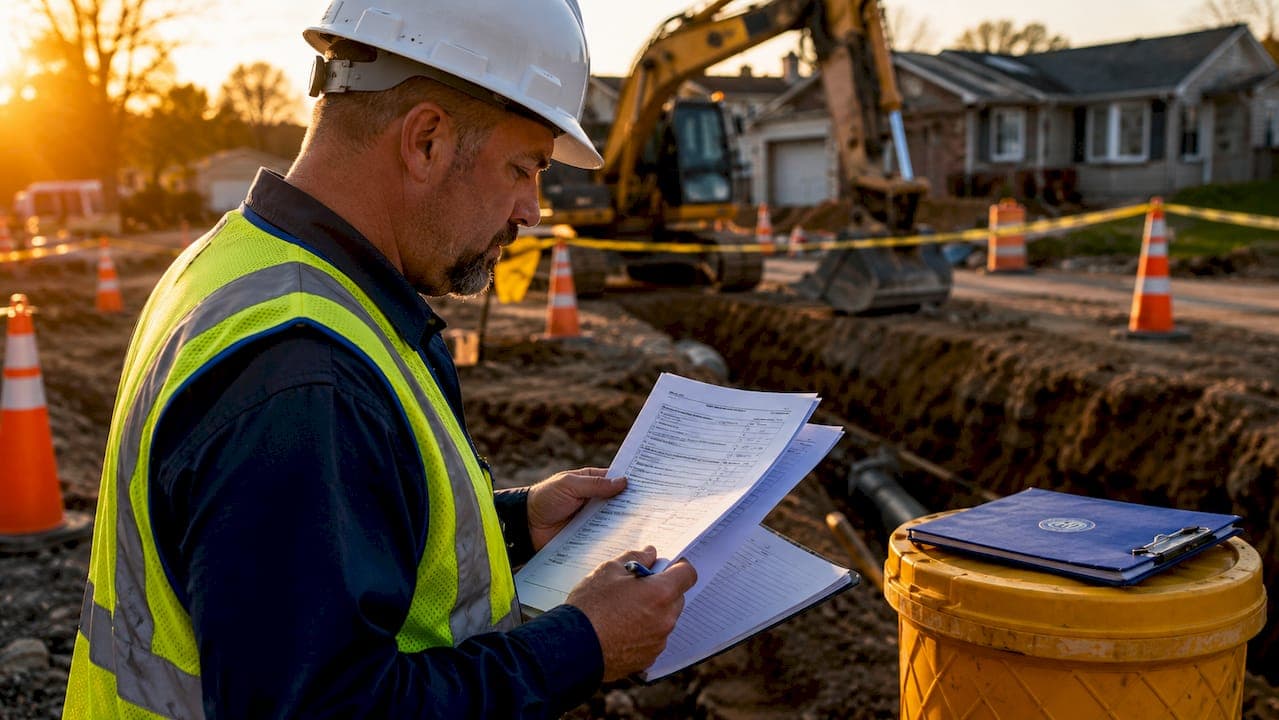
Compliance in sewer repair is defined as the legal and technical requirement that all repair activities meet applicable building codes, environmental laws, and local permit standards before, during, and after work is completed. The role of compliance in sewer repair goes beyond paperwork. It protects public health, prevents environmental damage, and shields you from financial and legal liability. Key standards governing this work include the 2021 International Residential Code (IRC), the federal Clean Water Act, and local plumbing codes enforced by your Authority Having Jurisdiction (AHJ). Whether you are a contractor, property owner, or property manager in Maine, understanding these requirements is not optional. It is the foundation of every legitimate sewer repair project.
What is the role of compliance in sewer repair?
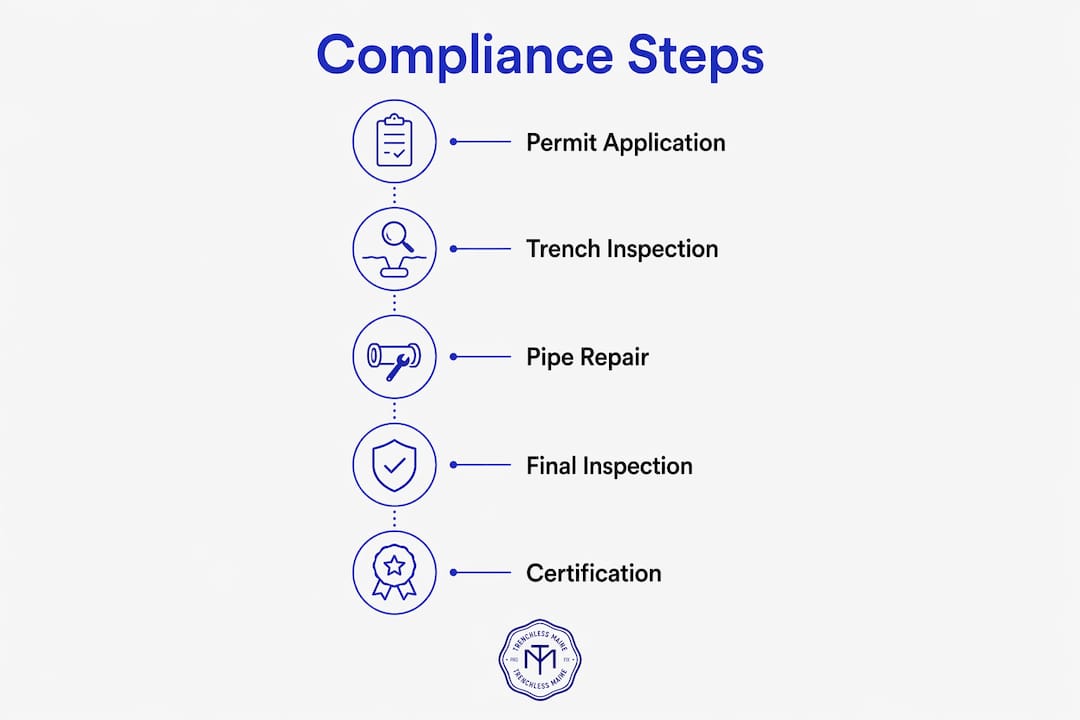
Compliance in sewer repair means every phase of the project, from permit application to final inspection, follows the rules set by your local building department, state plumbing board, and federal environmental agencies. The IRC 2021 sets baseline standards for pipe materials, slope, and testing. The EPA's Clean Water Act adds a federal layer, particularly when repairs occur near waterways or involve any risk of sewage discharge. Local plumbing codes then layer additional requirements on top of both.
The importance of sewer standards becomes clear when you consider what happens without them. Improperly repaired sewer lines can contaminate groundwater, back up into neighboring properties, and create structural hazards beneath roads and sidewalks. Compliance is the mechanism that prevents those outcomes. It is not bureaucratic friction. It is the technical floor below which no repair should fall.
What permits and inspections are required for sewer repair?
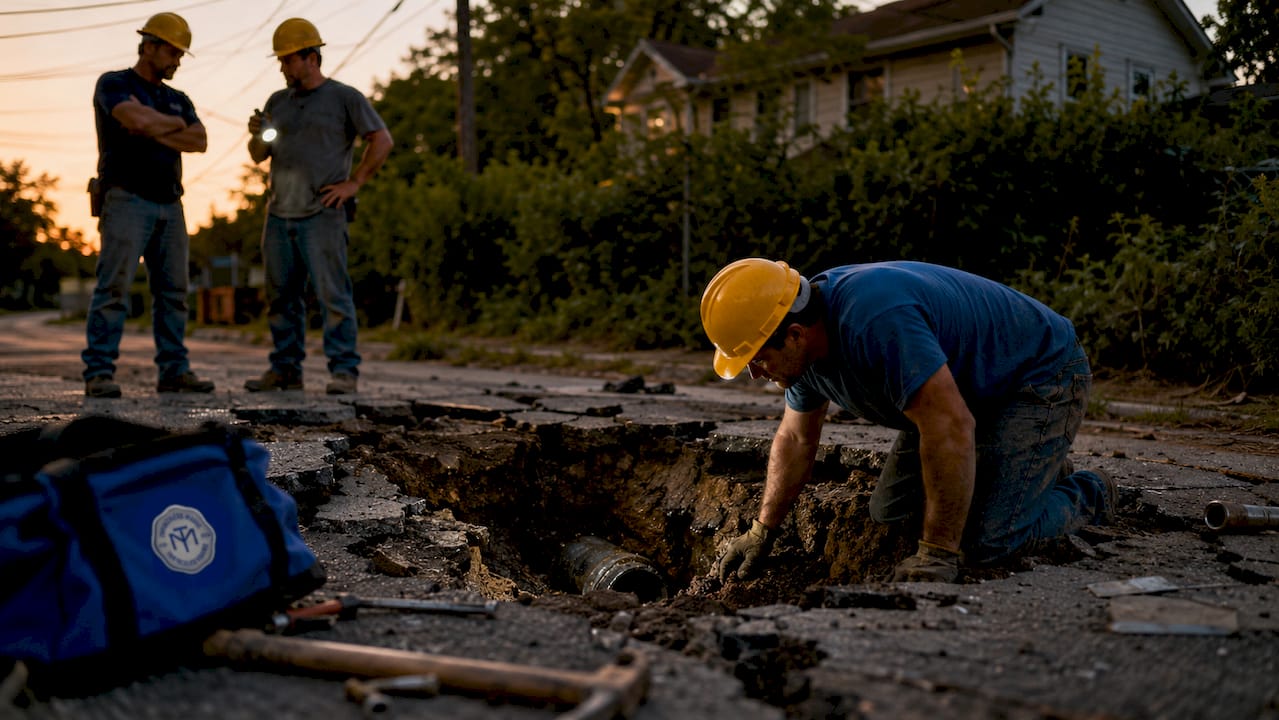
Most sewer repair projects require at least one permit, and many require several. Permit requirements vary by jurisdiction, but camera inspections or snaking alone typically do not trigger a permit. Any physical repair to the pipe, however, almost always does. Here are the most common permit types you will encounter:
- Plumbing permit. Required for any repair, replacement, or relining of a sewer lateral. This is the most common permit in residential sewer work.
- Trench permit. Required when excavation is involved. Covers safety requirements for open trenches, including shoring and access controls.
- Encroachment permit. Required when work crosses or disturbs public right-of-way, such as a sidewalk, curb, or street.
- Environmental permit. Required in some states when work occurs near wetlands, streams, or other protected areas under state environmental law.
Plumbing permit fees for sewer line repair typically range from $150 to $400, depending on project valuation and jurisdiction. That fee range reflects the added complexity of public utility involvement compared to interior plumbing work. Budget for it upfront rather than treating it as a surprise cost.
The inspection process follows a defined sequence. Your AHJ will typically require a trench inspection before backfill, a watertight pressure test, and a final inspection once the repair is complete. Per the 2021 IRC, gravity sewers require a 10-foot water head test held for at least 15 minutes with no leaks before the trench can be covered. Forced sewers must be tested at a pressure at least 5 psi greater than the pump rating for the same duration.
Scheduling matters as much as the inspection itself. Many jurisdictions require at least 48 hours' notice before a trench inspection. Missing that window can delay your project by days. Check your local AHJ's scheduling rules before you break ground. For a detailed walkthrough of the scheduling process, the municipal inspection scheduling guide from Trenchlessmaine covers notice requirements and procedures specific to residential projects.
Pro Tip: Call your AHJ before submitting your permit application. Ask specifically which inspections are required and in what order. This one conversation can prevent costly scheduling errors later.
Who is responsible for sewer line compliance and ownership?
Ownership of the sewer lateral determines who bears compliance responsibility. This is one of the most misunderstood areas in sewer repair, and getting it wrong leads to disputes, delays, and unexpected costs.
Sewer lateral ownership varies significantly by jurisdiction. In some municipalities, the property owner is responsible only for the section of pipe from the building to the property line. In others, the owner is responsible all the way to the public sewer main, including sections running under sidewalks and public easements. You cannot assume city ownership of any portion of the lateral without verifying it through official documentation.
Here is what you need to check before any repair begins:
- Local sewer district maps. Most municipal water and sewer authorities publish these online or provide them on request. They show the boundary between private and public infrastructure.
- Easement documents. Your property deed or title report may include easements that affect who controls and maintains specific pipe segments.
- Lateral inspection records. Some jurisdictions maintain records of past inspections that clarify ownership and prior compliance history.
Contractors carry a specific compliance duty here. Verifying lateral ownership before starting work prevents disputes and compliance errors that can stall a project mid-repair. If you are a property manager overseeing multiple sites, build this ownership verification into your standard pre-repair checklist. For more on how ownership affects your repair decisions, the lateral sewer line guide from Trenchlessmaine explains the compliance responsibilities tied to different ownership scenarios.
Pro Tip: Request a written confirmation of lateral ownership from your local sewer authority before signing any repair contract. One page of documentation can prevent months of legal disputes.
What are the consequences of non-compliance in sewer repair?
Non-compliance in sewer repair carries financial, legal, and environmental consequences that far exceed the cost of doing the job right the first time. The most common compliance failures include skipping permits, backfilling before inspection, and using uncertified pipe materials.
Backfilling a trench before the AHJ completes the required inspection is the single most expensive mistake in sewer repair. Code bars any plumbing from being covered before inspection and approval by building officials. Violating this rule triggers mandatory re-excavation, which can cost more than the original repair.
The legal and financial risks extend well beyond rework costs:
- Stop-work orders. An inspector who discovers unpermitted work can halt the entire project immediately. Resuming work requires a permit application, fees, and potentially a compliance hearing.
- Insurance denial. Unpermitted sewer repairs risk insurance claim denial. If a non-compliant repair fails and causes water damage, your insurer has grounds to deny coverage entirely.
- Real estate liability. Some jurisdictions require a compliance certificate or lateral inspection before a property can be sold. An unpermitted repair discovered during a sale can delay closing or kill the transaction.
- Environmental penalties. Sewer repair is regulated under the Clean Water Act. Emergency repairs that cause unpermitted sewage discharges or disturb sensitive areas can trigger civil penalties from state environmental agencies.
The environmental dimension is often overlooked by contractors focused on the building code side. Compliance extends beyond plumbing codes to federal and state environmental law. Contractors should train crews in spill prevention and know which repairs require additional state environmental approvals before work begins.
Best practices to maintain compliance in sewer repair projects
Consistent compliance comes from process, not luck. The contractors and property managers who avoid violations are the ones who treat compliance as a workflow, not an afterthought.
The table below summarizes the core compliance practices and what each one protects against:
| Practice | What it protects against |
|---|---|
| Pull permits before work begins | Stop-work orders, insurance denial, real estate liability |
| Schedule inspections with 48-hour notice | Missed inspection windows, trench backfill violations |
| Use AHJ-certified pipe materials | Code violations, product liability, infrastructure failure |
| Document all inspections and approvals | Disputes during property sale, insurance claim denials |
| Verify lateral ownership before repair | Contractor liability, municipal disputes, cost overruns |
Plumbing codes require certified products that meet durability and safety standards verified by accredited third parties. Your AHJ checks product accreditation to protect public infrastructure. Using uncertified materials, even if they appear identical to compliant products, can result in a failed inspection and mandatory replacement.
Documentation is the compliance practice most often skipped and most often regretted. Keep copies of your permit, all inspection sign-off sheets, pressure test results, and material certifications. These records protect you in insurance claims, property transactions, and any future dispute about the quality of the repair.
Pro Tip: Create a simple compliance folder for each project, physical or digital, containing the permit, inspection records, material certifications, and photos of the pipe before and after repair. This takes 20 minutes and can save thousands in disputes.
Key Takeaways
Sewer repair compliance requires permits, documented inspections, certified materials, and verified lateral ownership before any work begins or trench is backfilled.
| Point | Details |
|---|---|
| Permits are mandatory for repairs | Camera work may be exempt, but any physical pipe repair triggers permit requirements. |
| Inspection timing is critical | Backfilling before AHJ approval causes mandatory re-excavation and code violations. |
| Ownership determines responsibility | Verify lateral ownership through sewer district maps before signing any repair contract. |
| Non-compliance has financial consequences | Unpermitted work risks insurance denial, stop-work orders, and real estate liability. |
| Documentation protects everyone | Keep permits, inspection records, and material certifications for every completed project. |
What I've learned about compliance after years in the field
The contractors who struggle most with compliance are not the ones who ignore the rules. They are the ones who assume the rules are the same everywhere. Sewer repair regulations vary more than most people realize, even between neighboring towns in Maine. What passes inspection in one municipality gets flagged in the next. That inconsistency is not a flaw in the system. It reflects the fact that local infrastructure, soil conditions, and public health priorities genuinely differ by location.
The single most effective habit I have seen in compliant contractors is early communication with the AHJ. Not a phone call the day before work starts. A conversation during the planning phase, before the permit is even submitted. Inspectors are not adversaries. They know their local code quirks better than any manual, and they will tell you exactly what they expect if you ask directly.
Trenchless repair methods like CIPP lining deserve more attention in the compliance conversation. They reduce the number of permits required by eliminating excavation, which means fewer trench permits, no encroachment permits in many cases, and less environmental disturbance. That is not just a cost advantage. It is a compliance advantage. Fewer permit categories mean fewer opportunities for a procedural error to stall your project.
My honest advice: treat code updates as a recurring task, not a one-time learning event. The IRC updates on a cycle, and local jurisdictions adopt amendments on their own schedules. Set a calendar reminder to check your AHJ's current adopted code version at the start of each year. The environmental compliance requirements tied to sewer repair are also evolving, particularly around spill prevention and work near protected waterways. Staying current is not optional if you want to stay in business.
— John
Trenchlessmaine's approach to compliant sewer repair in Maine
Sewer repair compliance is easier to manage when your repair method reduces the number of permits and inspections required in the first place.
Trenchlessmaine specializes in trenchless sewer repair methods across Maine, including CIPP lining, hydro jetting, and drain clearing, all designed to minimize excavation and the compliance risks that come with open-trench work. With over 50 years of combined expertise, the Trenchlessmaine team understands Maine's local permit requirements, inspection procedures, and AHJ expectations across the state's major cities. If you are a contractor, property owner, or property manager looking for a repair partner who handles the compliance process alongside the physical work, Trenchlessmaine is built for exactly that. Get a free quote and check your service area at trenchlessmaine.com.
FAQ
Do all sewer repairs require a permit?
Camera inspections and snaking typically do not require permits, but any physical repair to a sewer pipe almost always does. Always confirm exemption thresholds with your local building department before starting work.
What happens if you backfill before the inspection?
Backfilling before AHJ approval violates the IRC and triggers mandatory re-excavation. The cost of digging up a completed repair far exceeds the cost of waiting for the inspector.
Who is responsible for sewer lateral repairs?
Responsibility depends on your jurisdiction. Lateral ownership can extend from the building to the property line or all the way to the public main. Verify ownership through your local sewer district maps before any repair begins.
Can unpermitted sewer work affect a property sale?
Yes. Some jurisdictions require a compliance certificate or lateral inspection before a property can be sold. Unpermitted repairs discovered during a transaction can delay or cancel the closing.
What is the pressure test requirement for sewer repairs?
Per the 2021 IRC, gravity sewer systems must hold a 10-foot water head for at least 15 minutes with no leaks before backfill is approved. Forced sewer systems require pressure at least 5 psi above the pump rating for the same duration.