
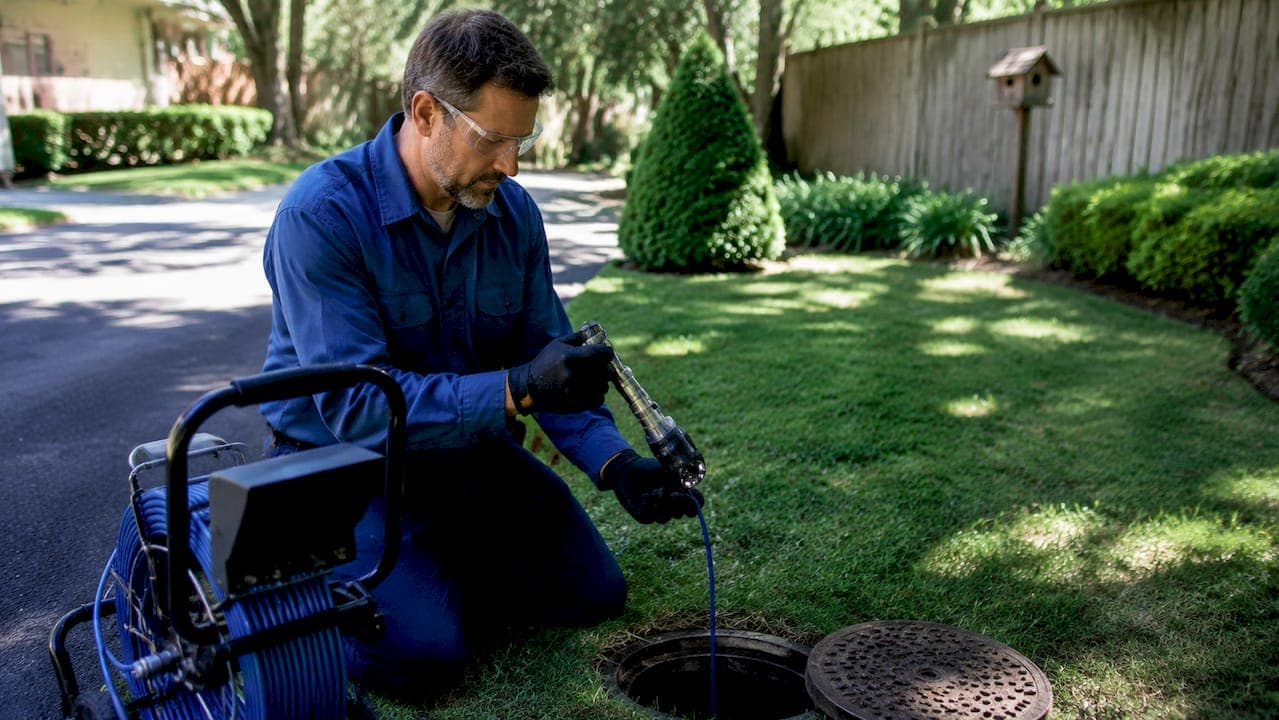
Experience is the single most important factor in sewer repair quality. An inexperienced contractor can misread symptoms, apply the wrong fix, and leave you with a recurring problem that costs far more to resolve the second time around. The role of experience in sewer repair goes beyond years on the job. It shapes how a technician reads a system, selects a method, and communicates findings to you before a single tool touches your pipe. For homeowners and property managers in Maine, understanding what genuine sewer repair expertise looks like is the difference between a lasting fix and a costly repeat visit.
What does experience really mean in sewer repair?
Experience in sewer repair is not simply time served. It is the accumulation of hands-on work with real systems, combined with specialized training, verified credentials, and the judgment to know when a simple fix is enough and when a full assessment is needed.
A general plumber and a sewer specialist are not the same professional. General plumbers handle fixtures, water heaters, and supply lines. Sewer specialists focus on lateral lines, main sewer connections, root intrusion, pipe deformation, and drainage systems. That specialization matters because sewer systems require a full system assessment, not just a symptom-level response. Treating a slow drain without inspecting the lateral line is like treating a fever without checking for infection.
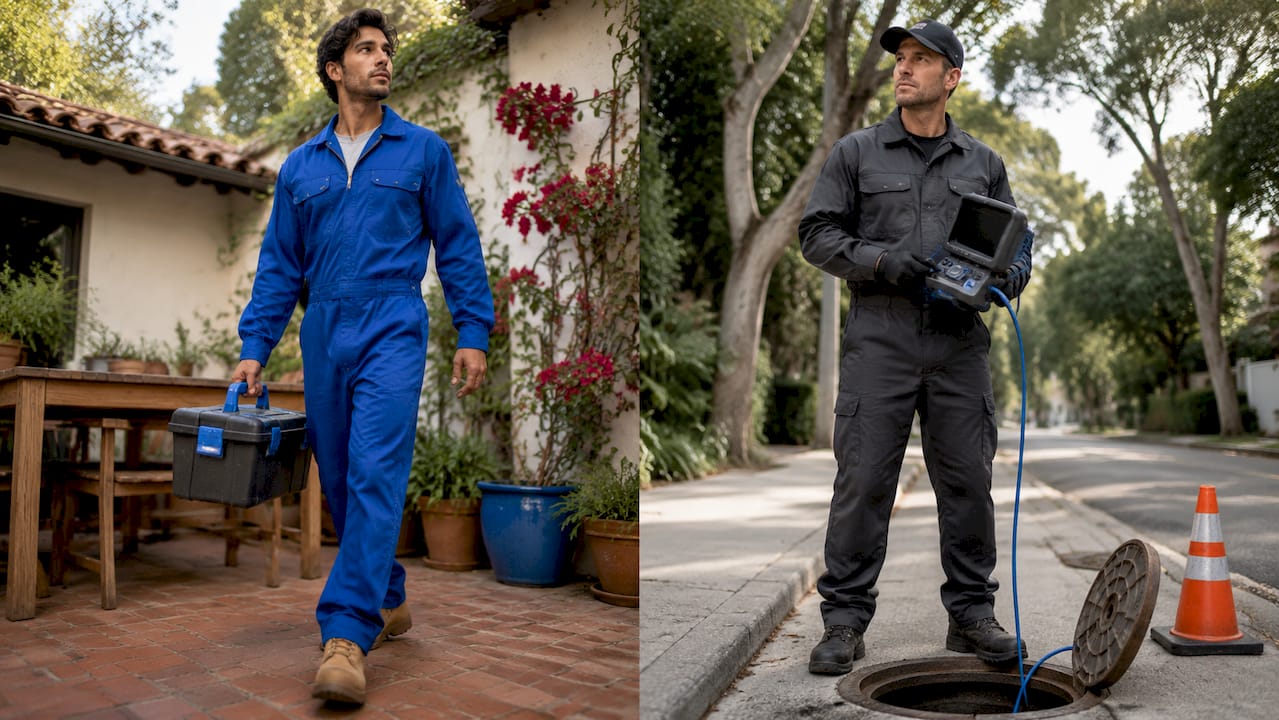
Verified credentials are a concrete marker of experience. A state-licensed sewer contractor has passed exams, logged field hours, and met regulatory standards. Liability insurance protects you if something goes wrong during the repair. These are not optional extras. They are baseline requirements for any professional you let work on your property.
Technology also separates experienced technicians from generalists. Sewer camera inspections give technicians a direct view inside your pipes. That footage reveals root intrusion, joint displacement, pipe corrosion, and blockage location with accuracy that no surface-level assessment can match. Experienced contractors use camera footage as the foundation for every repair recommendation.
- Specialization: Sewer repair requires different skills than general plumbing. Look for contractors who focus specifically on sewer laterals and drain systems.
- State licensing: Confirms the contractor has met minimum competency standards set by your state's contractor board.
- Liability insurance: Protects your property if damage occurs during the repair process.
- Camera inspection capability: A direct indicator that the contractor bases recommendations on evidence, not guesswork.
- Problem-solving track record: Experienced plumbers handle varied systems and emergencies calmly and efficiently, which only comes from repeated exposure to real-world scenarios.
Pro Tip: Ask any contractor you interview to describe the last three sewer problems they diagnosed. Specific, detailed answers signal genuine field experience. Vague answers signal the opposite.
How does experience improve repair outcomes and save you money?
Experienced sewer technicians find problems faster and fix them correctly the first time. That speed and accuracy directly reduces your total repair cost, even when the upfront quote is higher than a less experienced alternative.
The most expensive sewer repair is the one you pay for twice. Misdiagnosis by inexperienced contractors leads to recurring issues because the root cause goes untreated. A contractor who clears a blockage without inspecting the pipe for root intrusion or joint failure will send you the same problem within months. An experienced technician identifies the underlying cause and addresses it directly.

Early detection is another financial benefit. 10% of homes leak 90 or more gallons per day, and many of those leaks go undetected for months because the symptoms are subtle. An experienced technician recognizes early warning signs that an inexperienced one overlooks. Catching a slow leak before it saturates your foundation or damages your landscaping saves thousands in secondary repairs.
Pricing is also a reliable signal of experience. The median annual wage for plumbers was $62,970 as of may 2024, which translates to a median labor rate of approximately $85 per hour. A camera inspection typically requires about 3 hours of skilled labor. That means a diagnostic quote under $150 is almost certainly incomplete. It signals skipped steps, a bait-and-switch upsell, or a contractor who lacks the equipment to do the job properly.
Here is how experienced and inexperienced approaches compare across four common repair scenarios:
- Slow drain: An experienced technician runs a camera inspection to locate the blockage and check for root intrusion. An inexperienced one snakes the drain and calls it done, leaving the underlying cause in place.
- Recurring backups: An experienced technician inspects the full lateral line for joint displacement or pipe deformation. An inexperienced one repeats the same clearing procedure without investigating why the backup keeps returning.
- Sewage odor in the yard: An experienced technician checks for lateral line cracks and tests for ground saturation. An inexperienced one may attribute the odor to a vent issue and miss a failing pipe entirely.
- Tree root intrusion: An experienced technician assesses the extent of root growth and recommends targeted trenchless repair or hydro jetting. An inexperienced one may recommend full pipe replacement when a targeted fix would suffice.
What verification steps protect you when hiring a sewer contractor?
Vetting a sewer contractor takes about 20 minutes and can save you thousands. The process comes down to three confirmed facts and a direct conversation before any work begins.
Industry professionals recommend a clear verification sequence: confirm state-licensed status, request proof of $1 million or more in liability insurance, and insist on a sewer camera inspection with a full walkthrough of the footage before any repair quote is issued. Each step filters out contractors who lack the credentials or the process to do the job correctly. Skipping any one of them increases your risk significantly.
Use this checklist before signing any agreement:
- Verify state licensing: Look up the contractor's license number through your state's contractor licensing board. Active status confirms they meet current regulatory standards.
- Request insurance documentation: Ask for a certificate of insurance showing at least $1 million in general liability coverage. Do not accept verbal confirmation.
- Demand camera inspection footage: Camera footage is the only objective basis for a repair recommendation. If a contractor quotes repairs without inspecting the pipe, walk away.
- Ask targeted questions: Request examples of similar repairs they have completed. Ask how they handle permit coordination with city inspectors.
- Watch for red flags: Unusually low quotes, no diagnostic process, pressure to decide immediately, and cash-only payment requests all signal inexperience or dishonesty.
Pro Tip: A licensed plumber coordinates permit applications and city inspector sign-offs on your behalf. If a contractor asks you to handle permits yourself, that is a red flag worth taking seriously.
Transparent communication is as important as credentials. An experienced contractor explains what the camera footage shows, why they recommend a specific repair method, and what the expected outcome is. If a contractor cannot clearly explain their diagnosis, they probably do not fully understand it.
What common sewer challenges does experience help overcome?
Sewer systems in older homes present problems that only experienced technicians recognize on sight. Maine's housing stock includes many properties with aging clay, cast iron, or Orangeburg pipe. Each material fails differently, and each requires a different repair approach.
Older plumbing systems require specialized knowledge that only experienced plumbers typically have. Clay pipe fractures along joints. Cast iron corrodes from the inside out, narrowing the flow path before any visible exterior sign appears. Orangeburg pipe, a fiber-based material used through the mid-20th century, collapses under soil pressure over time. Misidentifying the pipe material leads to the wrong repair method and a faster failure.
| Challenge | Inexperienced approach | Experienced approach |
|---|---|---|
| Root intrusion | Manual clearing only | Camera inspection plus targeted hydro jetting or CIPP lining |
| Pipe corrosion | Full replacement recommended | Assess severity, apply trenchless lining where appropriate |
| Joint displacement | Ignore if flow is partial | Camera-confirmed repair at the specific joint location |
| Aging Orangeburg pipe | Patch or clear | Full assessment, trenchless replacement to prevent collapse |
| Complex blockages | Repeated snaking | Hydro jetting with camera follow-up to confirm clearance |
Trenchless repair methods like cured-in-place pipe (CIPP) lining require experienced application. An improperly installed liner fails at the joints, trapping moisture and accelerating the original problem. Experienced technicians also coordinate with city inspectors and safety protocols, ensuring repairs meet local code without placing that burden on you.
Camera inspections provide the critical data that makes all of this possible. Without footage, a technician is guessing. With footage, they are making a decision based on exactly what is inside your pipe.
Key takeaways
Experienced sewer technicians diagnose accurately, repair correctly the first time, and save homeowners significantly more than the cost difference between a skilled and unskilled contractor.
| Point | Details |
|---|---|
| Experience goes beyond years | Look for specialization, state licensing, and camera inspection capability as concrete markers. |
| Pricing signals quality | Diagnostic quotes under $150 likely skip camera inspection, which costs roughly 3 hours of skilled labor. |
| Verification protects you | Confirm licensing, request $1M+ insurance, and insist on camera footage before any repair quote. |
| Older systems need specialists | Aging pipe materials like clay, cast iron, and Orangeburg each fail differently and require specific repair methods. |
| Trenchless methods require skill | CIPP lining and other no-dig repairs must be applied correctly by experienced technicians to prevent early failure. |
Why I think price-first thinking is the most expensive mistake homeowners make
After years of watching sewer repair outcomes play out, the pattern is consistent. Homeowners who choose the lowest quote almost always spend more in total than those who hired the most experienced contractor at a higher rate. The math is not complicated. A $400 diagnostic from an experienced technician who identifies root intrusion and recommends targeted CIPP lining costs less over five years than a $150 drain clearing that leaves the root system intact and growing.
What surprises me is how often the second contractor gets called in to fix the first contractor's work. That second visit costs full price. There is no discount for cleaning up someone else's misdiagnosis. The homeowner pays twice, and the original problem is still the same age it was before the first visit.
The other thing I have noticed is that experienced technicians communicate differently. They show you the camera footage. They explain what they see in plain language. They tell you why they are recommending one method over another. That transparency is not a sales technique. It is a byproduct of actually understanding the system. When a contractor cannot explain their recommendation clearly, that is the most reliable signal that they are not the right person for the job.
Prioritize expertise over price. Ask for the footage. Read the warranties attached to the repair. Those three habits will protect you from the most common and costly mistakes homeowners make when hiring sewer repair professionals.
— John
Trenchlessmaine brings verified expertise to every sewer repair in Maine
Trenchlessmaine carries over 50 years of combined expertise across its team of licensed, insured sewer repair technicians. Every repair starts with a camera inspection so you see exactly what is happening inside your pipes before any work begins.

Trenchlessmaine specializes in no-dig repair technology including CIPP lining, hydro jetting, and drain clearing, methods that fix the problem without tearing up your yard or driveway. Repairs are typically completed within 24 hours, and results are backed by warranties up to 50 years. If you are dealing with slow drains, recurring backups, or sewage odors on your Maine property, contact Trenchlessmaine for a consultation and camera inspection before committing to any repair quote.
FAQ
What makes an experienced sewer technician different from a general plumber?
An experienced sewer technician specializes in lateral lines, root intrusion, pipe corrosion, and drainage systems, while a general plumber focuses on fixtures and supply lines. That specialization produces more accurate diagnoses and fewer repeat repairs.
How much should a sewer camera inspection cost?
A camera inspection typically requires about 3 hours of skilled labor at a median rate of approximately $85 per hour. Quotes under $150 likely indicate skipped diagnostics or an incomplete assessment.
What are the biggest red flags when hiring a sewer contractor?
The clearest red flags are unusually low quotes, no camera inspection before recommending repairs, pressure to decide immediately, and inability to provide proof of state licensing or liability insurance.
Why do trenchless repairs require experienced technicians?
Trenchless methods like CIPP lining must be applied correctly at every joint to prevent early failure. Inexperienced application traps moisture and accelerates the original pipe problem rather than solving it.
How do I verify a sewer contractor's credentials in Maine?
Look up the contractor's license number through Maine's contractor licensing board, request a certificate of insurance showing at least $1 million in general liability coverage, and ask to see camera footage before any repair quote is issued.