
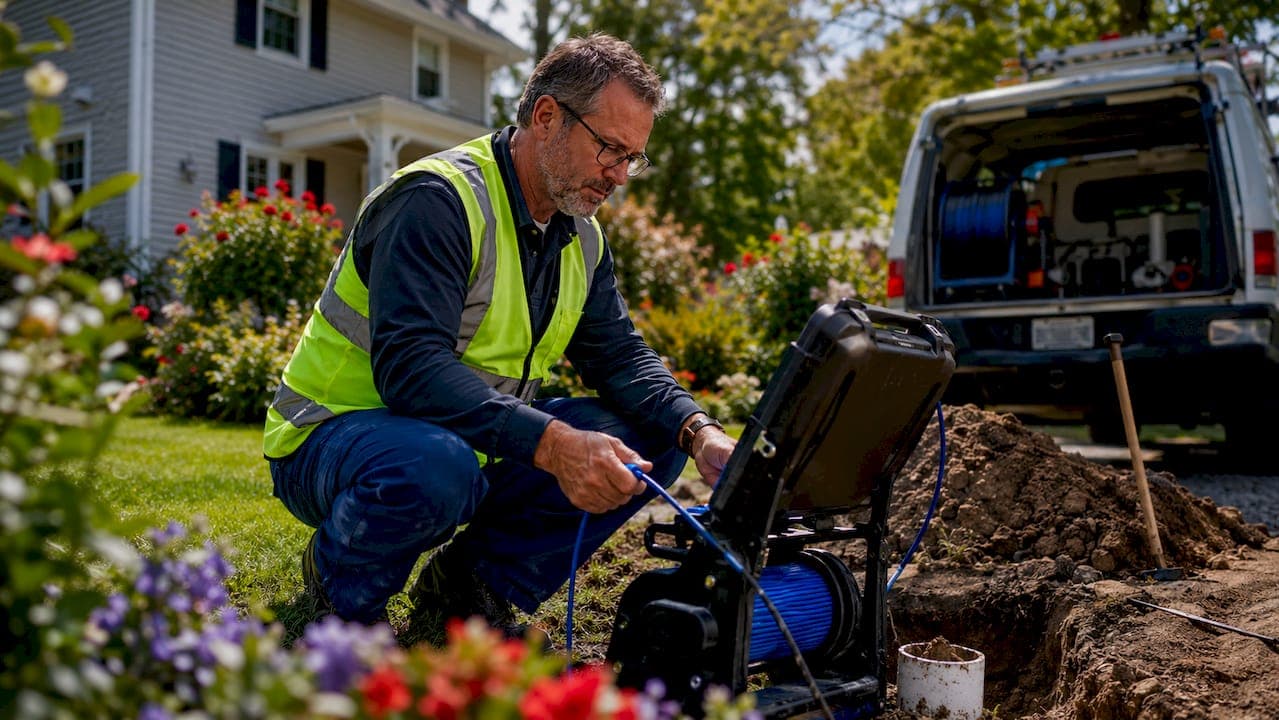
Modern sewer renovation methods rely primarily on trenchless technologies that repair or replace sewer pipes without digging up your yard. The industry term for this category is trenchless sewer rehabilitation, and it covers techniques like cured-in-place pipe (CIPP) lining, pipe bursting, and spray coating. These methods save homeowners 30–50% compared to traditional excavation, and they cut project time from weeks down to a single day in many cases. If you own property in Maine, manage a commercial building, or work as a contractor, understanding which method fits which problem is the fastest path to a cost-effective, lasting repair.
1. What are modern sewer renovation methods?
Trenchless sewer rehabilitation is the umbrella term for any pipe repair or replacement technique that avoids full-trench excavation. The three primary methods are CIPP lining, pipe bursting, and spray coating. Each one targets a different type of pipe damage and a different set of property conditions. Choosing the wrong method wastes money. Choosing the right one protects your property and extends pipe life by decades.
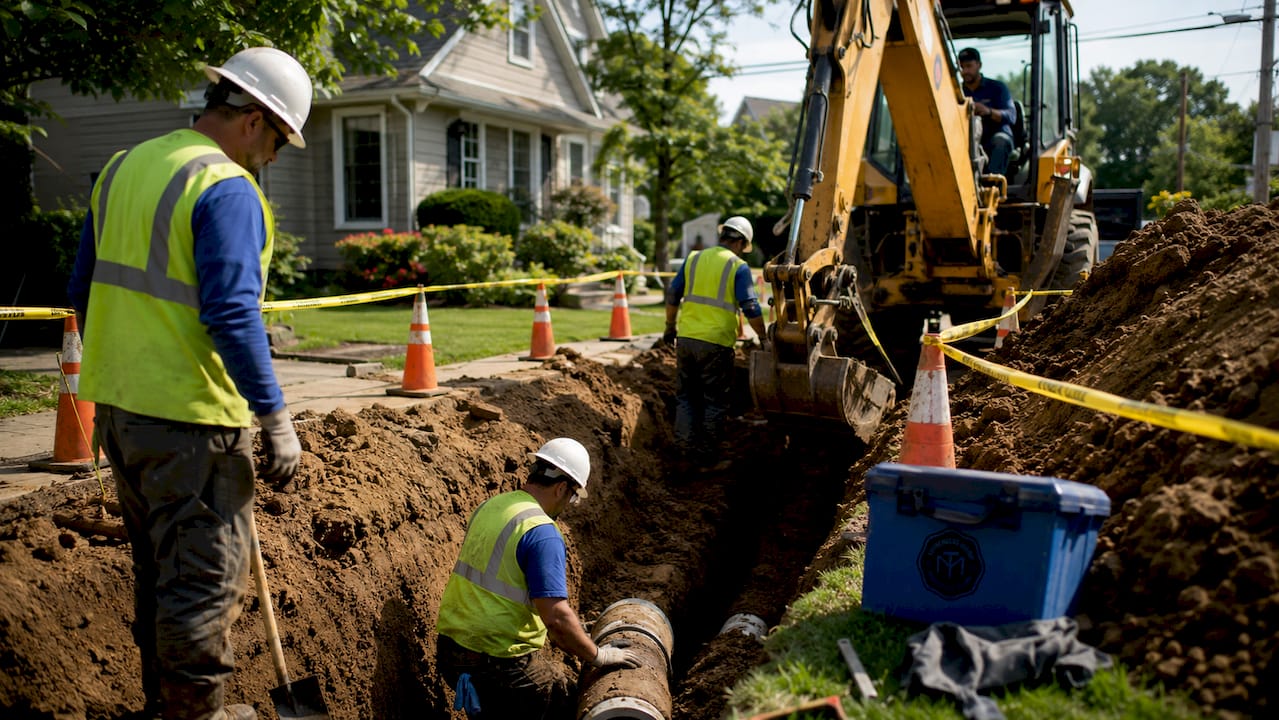
Traditional excavation requires digging a trench along the entire pipe run, removing the damaged pipe, installing a new one, and then restoring the surface. That process disrupts landscaping, driveways, and sometimes structural foundations. Trenchless methods limit surface disruption to small access points, which is why they have become the standard for residential and commercial sewer work.
2. How CIPP lining works and when to use it
Cured-in-place pipe lining is the most widely used trenchless sewer repair method for gravity sewers with cracks, root intrusion, or joint failures. A technician inserts a resin-saturated felt tube into the damaged pipe, inflates it against the pipe wall, and then cures the resin using hot water, steam, or ultraviolet light. The result is a structurally sound liner bonded to the inside of the original pipe. CIPP handles pipe diameters from 6 to 96 inches, making it suitable for residential laterals and large municipal mains alike.
CIPP lining is the right choice when:
- The host pipe has cracks, fractures, or root intrusion but retains its basic shape
- You need to preserve existing pipe diameter without upsizing
- The pipe runs under a driveway, landscaping, or a structure that cannot be disturbed
- You want a solution with a long service life backed by a warranty
Cure times range from a few hours to 12 hours depending on the resin type and pipe diameter. During that window, water service is temporarily out of service. Running water or flushing during installation can cause sewage backups, so plan accordingly.
Pro Tip: Before the crew arrives, pour one gallon of water into every floor drain in your home. This maintains the water seal in the trap and blocks the glue-like odor that CIPP resin produces during curing.
For a detailed look at CIPP pipe lining services available in Maine, Trenchlessmaine provides full process documentation and project examples.
3. How pipe bursting works and when full replacement is necessary
Pipe bursting is the trenchless answer to a pipe that is too damaged to line. A hydraulic bursting head is pulled through the old pipe, fracturing it outward into the surrounding soil. A new pipe, typically high-density polyethylene (HDPE), is pulled in behind the bursting head along the same path. The entire process uses only small access pits at each end of the pipe run, with no trench required.
Pipe bursting is the right choice when:
- The pipe has collapsed sections, severe deformation, or multiple structural failures
- You need to upsize the pipe diameter to increase flow capacity
- The pipe material is too brittle or deteriorated to accept a liner
- A full replacement is required but excavation would damage a driveway or foundation
The cost for pipe bursting runs from $4,000 to $15,000, compared to traditional open-trench replacement that can exceed $25,000. That cost difference reflects the elimination of excavation labor, surface restoration, and extended project timelines. Traditional excavation projects can take one to three weeks. Pipe bursting typically wraps up in one to two days.
Pro Tip: Never choose pipe bursting based on symptoms alone. A professional CCTV camera inspection is the only reliable way to confirm whether the pipe structure can support bursting or requires a different approach.
One important limitation: pipe bursting requires that the soil around the pipe can absorb the fractured fragments. In dense rock or heavily compacted fill, the method may not be viable without pre-assessment.
4. Spray coating and polyurea lining for complex pipe repairs
Spray coating is the right tool when the pipe geometry makes it impossible to insert a felt liner or pull a bursting head. A technician sprays liquid polyester resin or polyurea directly onto the interior pipe wall using a rotating spray nozzle. The coating bonds to the pipe surface and cures within hours. Spray coating covers up to 33 meters in a single pass and restores the pipe to full service the same day.
This method excels in three specific situations:
- Small-diameter pipes where standard CIPP tubes cannot be inserted
- Complex geometries such as bends, junctions, and manholes where a liner would wrinkle or fail to seat properly
- Noise-sensitive or access-restricted sites such as hospitals, schools, or occupied commercial buildings where disruption must be kept to a minimum
Polyurea spray lining offers strong chemical resistance, which makes it a preferred choice for industrial drainage systems that carry corrosive waste. The fast cure time also means property managers can restore normal building operations within hours rather than days. Compared to CIPP, spray coating requires less setup equipment and no inversion machinery, which reduces mobilization costs on smaller jobs.
5. Comparing trenchless sewer renovation methods: cost, time, and environmental impact
Selecting the right method comes down to three factors: pipe condition, project budget, and acceptable disruption level. The table below compares the four main approaches on the criteria that matter most to homeowners and property managers.
| Method | Typical cost | Project time | Surface disruption | Best for |
|---|---|---|---|---|
| CIPP lining | $3,000–$10,000 | 1 day | Minimal (access points only) | Cracks, root intrusion, joint failure |
| Pipe bursting | $4,000–$15,000 | 1–2 days | Minimal (two access pits) | Collapsed or severely damaged pipes |
| Spray coating | Varies by scope | Hours to 1 day | Minimal | Complex geometries, small diameters |
| Traditional excavation | $5,000–$25,000+ | 1–3 weeks | Extensive (full trench) | Fully collapsed pipes, no trenchless access |
Trenchless methods reduce surface disruption to small patches, while excavation involves major landscaping removal, roadwork, and surface restoration. That difference has a direct environmental benefit. Less excavation means less soil displacement, less waste hauled to landfill, and less carbon from heavy equipment running for weeks. For Maine properties with mature trees, stone walls, or finished driveways, the environmental and financial case for trenchless is clear.
Project timelines for trenchless methods run 50–80% shorter than traditional excavation. That time savings translates directly into lower labor costs and less disruption to your daily routine.
6. How to select the right sewer renovation method for your property
The structural condition of the pipe, not just the symptoms you observe, determines which method is appropriate. A slow drain could indicate root intrusion that CIPP handles easily, or it could signal a collapsed section that requires excavation. You cannot make that determination from the surface.
Follow these steps to choose the right approach:
- Schedule a CCTV camera inspection. A licensed contractor inserts a camera into the pipe and records the interior condition. This footage shows crack locations, root intrusion, deformation, and collapse. No responsible contractor should recommend a method without this step.
- Identify the pipe material and diameter. Older Maine homes often have clay or cast iron laterals. These materials respond differently to lining and bursting. Knowing the diameter confirms which liner sizes or bursting heads apply.
- Map the pipe run. Note any bends, junctions, or areas running under structures. Complex layouts favor spray coating. Straight runs with consistent damage favor CIPP.
- Set a realistic budget. Get itemized quotes that separate inspection, materials, labor, and surface restoration. A quote that bundles everything without a camera inspection first is a red flag.
- Ask about warranty terms. Trenchlessmaine backs its work with warranties up to 50 years. That kind of guarantee reflects confidence in both materials and installation quality.
- Plan for the service window. CIPP and pipe bursting both require temporary water shutoff. Coordinate with your household or tenants before scheduling.
For a broader overview of no-dig repair options available to Maine homeowners in 2026, Trenchlessmaine maintains a current guide with process details and what to expect on installation day.
A common mistake is choosing a method based on price alone. The cheapest quote often skips the camera inspection or uses lower-grade resin. A failed liner that needs to be redone costs more than getting it right the first time.
Key takeaways
Trenchless sewer rehabilitation methods like CIPP lining, pipe bursting, and spray coating deliver lasting repairs at 30–50% lower cost than traditional excavation, with project times measured in hours rather than weeks.
| Point | Details |
|---|---|
| CIPP lining suits partial damage | Use CIPP for cracks, root intrusion, and joint failure when the pipe retains its shape. |
| Pipe bursting handles full replacement | Choose pipe bursting for collapsed or severely deformed pipes that cannot accept a liner. |
| Spray coating fits complex layouts | Spray coating works where standard liners cannot seat, including bends, junctions, and small diameters. |
| Camera inspection comes first | A CCTV inspection is required before selecting any method. Symptoms alone are not enough. |
| Trenchless saves time and money | Trenchless projects finish 50–80% faster and cost significantly less than open-trench excavation. |
What I've learned after years of watching homeowners choose the wrong method
The most expensive mistake I see is homeowners skipping the camera inspection because it adds a few hundred dollars to the upfront cost. They pick a method based on a neighbor's recommendation or a low quote, and then discover mid-project that the pipe is fully collapsed and needs excavation anyway. The inspection cost is always worth it.
The second thing I've noticed is that people underestimate how much the pipe material matters. A clay lateral from the 1950s behaves very differently under lining than a cast iron pipe from the 1970s. Contractors who treat every job the same way are cutting corners.
Spray coating is the most underused method in residential work. Homeowners hear "CIPP" and assume it applies to every situation. When a pipe has a 45-degree bend or runs through a tight crawl space, spray coating often delivers a better result with less risk of liner failure. Ask your contractor specifically whether spray coating was evaluated before accepting a CIPP recommendation.
Post-renovation maintenance also gets ignored. After any pipe lining, hydro jetting on a scheduled basis keeps the new liner clear of grease and debris. A lined pipe that gets neglected will still fail prematurely. The renovation is the repair. Maintenance is what makes it last.
— John
Trenchlessmaine's no-dig sewer solutions for Maine properties
Trenchlessmaine specializes in trenchless sewer repair and pipe lining across Maine, serving residential, commercial, and municipal clients with methods that protect your property and your budget.
Whether your pipe needs CIPP lining, pipe bursting, or a camera inspection to determine the right path forward, Trenchlessmaine's team brings over 50 years of combined expertise to every project. Most jobs complete within 24 hours, with minimal surface disruption and warranties up to 50 years. Visit the sewer repair technology page to review the full range of no-dig solutions and request a free consultation. If you need minimally invasive sewer repair explained in plain terms before you call, that resource walks you through the process step by step.
FAQ
What is the most cost-effective sewer renovation method?
CIPP lining is typically the most cost-effective option for pipes with partial damage, running $3,000–$10,000 compared to $5,000–$25,000 or more for traditional excavation. The savings come from eliminating excavation labor and surface restoration.
How long does trenchless sewer repair take?
Most trenchless projects complete in one day, with cure times ranging from a few hours to 12 hours. Traditional excavation takes one to three weeks for the same scope of work.
Do I need a camera inspection before sewer lining?
A professional CCTV inspection is required before selecting any repair method. Collapsed pipes need excavation, while partially damaged pipes may be lined. Symptoms alone cannot confirm which approach is safe.
Can pipe bursting upsize my sewer pipe?
Yes. Pipe bursting pulls a new, larger pipe into place as it fractures the old one outward. This makes it the preferred method when you need to increase flow capacity along with replacing a damaged pipe.
Is trenchless sewer repair environmentally friendly?
Trenchless methods are significantly more eco-friendly than excavation. They limit soil displacement, reduce construction waste, and require far less heavy equipment, which lowers the carbon footprint of the repair.