
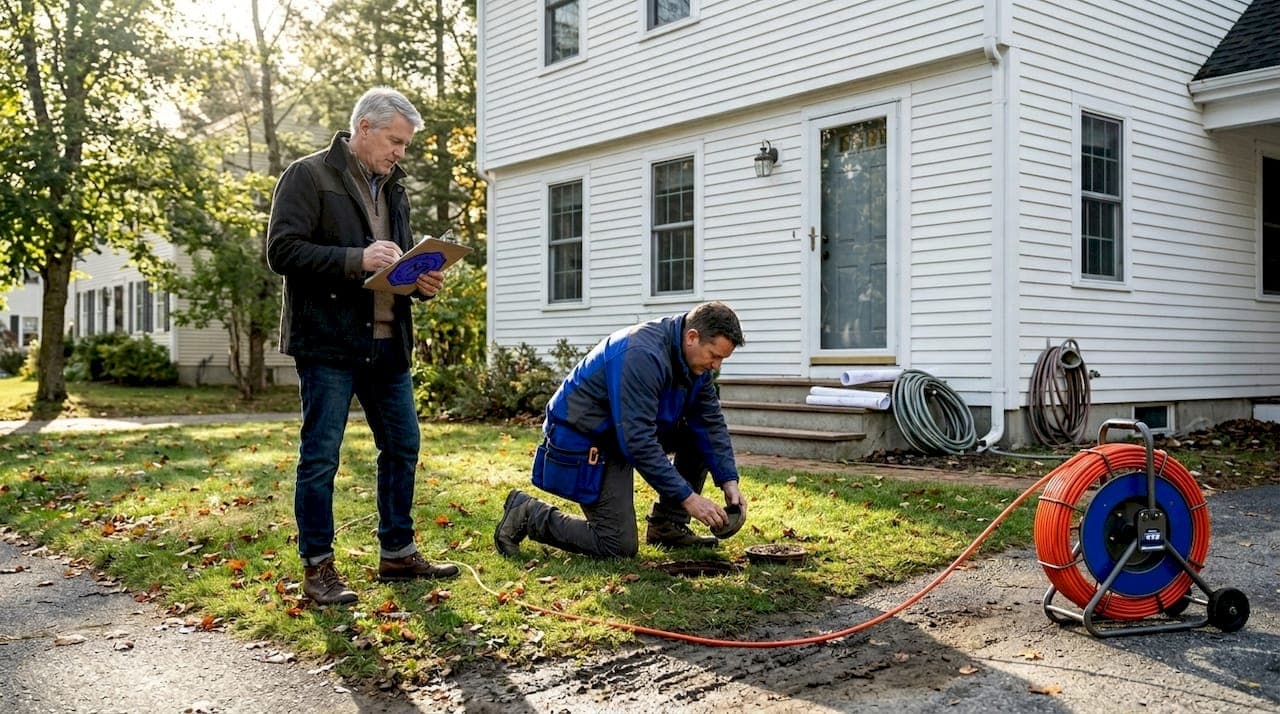
When your sewer line starts backing up or showing signs of damage, the last thing you want is a crew tearing apart your landscaped yard or cracking your newly paved driveway. Many Maine homeowners assume that pipe repair automatically means major excavation, weeks of disruption, and a bill that runs into the tens of thousands. That assumption is outdated. Sewer pipe relining, specifically cured-in-place pipe lining (CIPP), offers a proven way to restore damaged pipes from the inside out, with little to no digging required. This guide walks you through exactly how relining works, where it outperforms traditional repair, what can go wrong and how to prevent it, and what Maine regulations require before you start any project.
Table of Contents
- What is sewer pipe relining?
- Relining versus traditional repairs: Key differences
- Common failure modes and how to avoid them
- Permits, regulations, and choosing a contractor in Maine
- A fresh perspective: What most Maine homeowners miss about sewer relining
- Explore efficient sewer relining solutions in Maine
- Frequently asked questions
Key Takeaways
| Point | Details |
|---|---|
| Minimal property disruption | Relining avoids the need for messy excavation, protecting landscapes and driveways. |
| Cost-effective long term | Trenchless pipe relining can be up to 60% cheaper than traditional repairs over time. |
| Requires certified contractors | Choosing NASSCO-certified professionals minimizes risks of failure and assures quality. |
| Legal compliance is critical | Permits and local Maine regulations must be followed for any relining project. |
| Not for collapsed pipes | Pipe relining works for structurally sound pipes but replacement is needed for major collapses. |
What is sewer pipe relining?
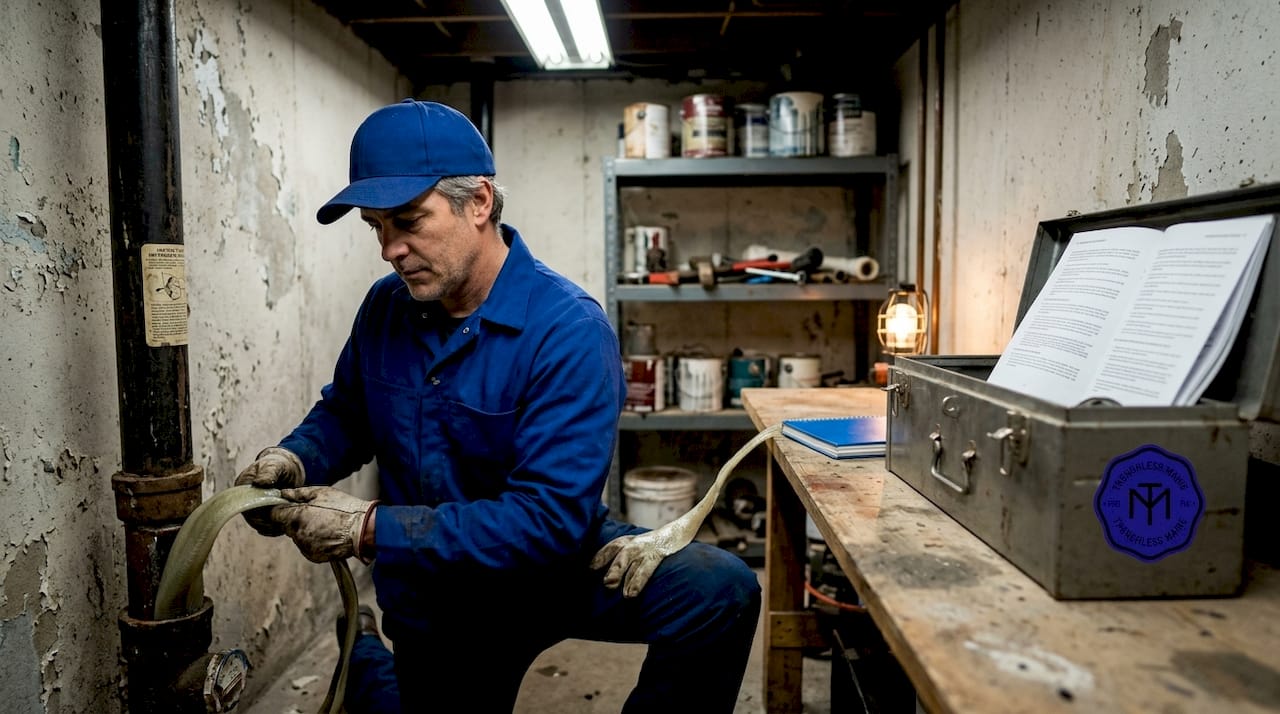
Sewer pipe relining is a repair method that creates a brand-new pipe inside your existing, damaged one. Instead of digging up your yard to remove and replace a broken pipe, a technician inserts a flexible liner coated with a special epoxy resin directly into the old pipe. The liner is inflated against the inner walls and then cured, either with heat, ultraviolet light, or ambient air, depending on the system used. Once cured, the resin hardens into a smooth, jointless pipe that is structurally sound and flow-efficient.
This method, formally known as cured-in-place pipe lining (CIPP), works well for pipes suffering from:
- Root intrusion: Tree roots that have cracked or pushed into pipe joints
- Corrosion: Deteriorated metal or clay pipes losing structural integrity
- Cracks and fractures: Partial breaks that have not yet caused full collapse
- Minor joint offsets: Small misalignments that allow ground water infiltration
What relining cannot fix is a fully collapsed or severely misaligned pipe. In those cases, the old pipe no longer provides a stable host structure for the liner to bond against, and full replacement becomes necessary.
The process always begins with a CCTV inspection, meaning a small camera is sent through the pipe to assess its condition in real time. This step is non-negotiable. According to NASSCO certification standards, CIPP relining offers minimal disruption ideal for pipes running beneath driveways and landscaping, but only when a proper camera inspection confirms that the pipe is a suitable candidate. Skipping this step is one of the most common mistakes homeowners make.
Pro Tip: Schedule your CCTV inspection during spring when seasonal thaw can reveal new cracks or root growth that winter concealed. Read more about spring sewer maintenance specific to Maine conditions before booking your inspection.
For a complete overview of what relining involves from start to finish, explore the full range of trenchless services available across Maine.
Relining versus traditional repairs: Key differences
Knowing the difference between relining and traditional pipe replacement helps you make a confident, informed decision rather than defaulting to whatever a contractor recommends first.
Traditional pipe replacement involves excavating a trench along the full length of the damaged section, removing the old pipe, laying new pipe, and backfilling the trench. This process disrupts driveways, lawns, gardens, and sometimes even structural elements like patios or decks. The timeline is typically several days to over a week, and the costs include not only the pipe work but also landscape restoration.
Pipe relining, by contrast, requires only one or two small access points. There is no excavation trench, no destroyed landscaping, and no driveway reconstruction. Most residential relining projects are completed within a single day.
Here is a direct comparison of the two approaches:
| Factor | Pipe relining (CIPP) | Traditional replacement |
|---|---|---|
| Excavation required | Minimal to none | Extensive trench digging |
| Project timeline | Often 1 day | Several days to 1+ week |
| Property disruption | Very low | High |
| Long-term cost | Significantly lower | Higher overall |
| Best for | Cracks, roots, corrosion | Collapsed or offset pipes |
| Environmental impact | Low | Higher due to spoil removal |
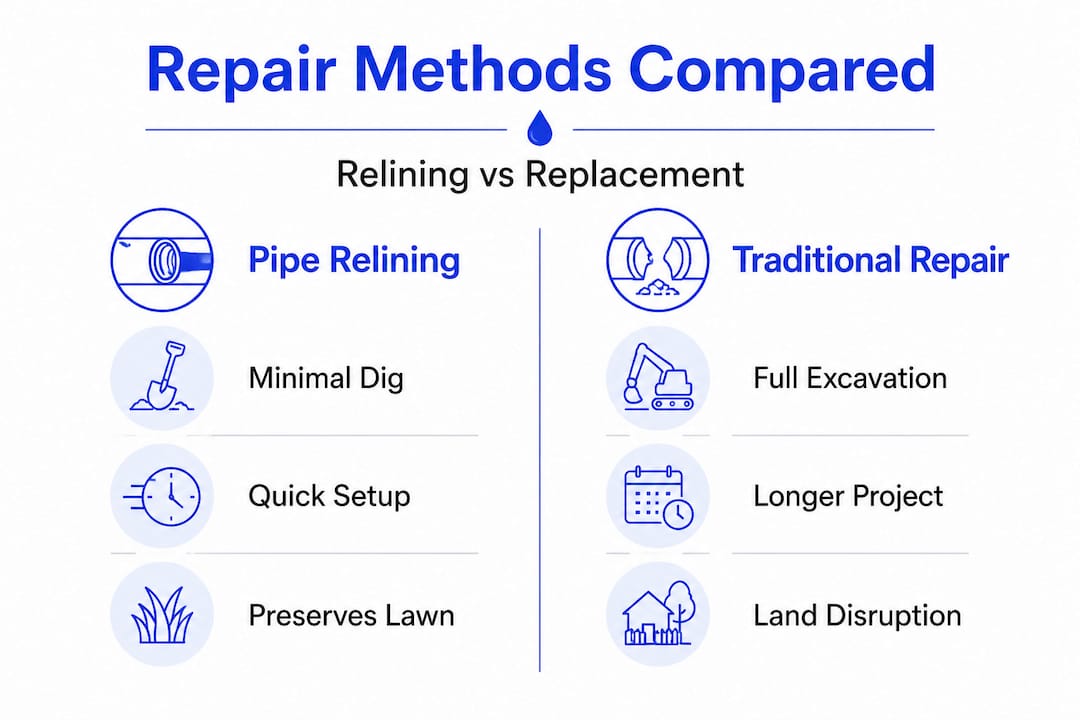
The cost difference is substantial. Life-cycle cost analysis studies show that trenchless relining is up to 60% less expensive over the long term compared to traditional open-cut replacement, particularly in urban and suburban settings where surface restoration adds significant cost.
Four scenarios where relining clearly outperforms traditional replacement:
- Pipes under established landscaping where removing mature trees or garden beds would be costly and emotionally difficult
- Pipes beneath driveways or patios where concrete or asphalt removal adds thousands to the project
- Older clay or cast iron pipes that have deteriorated but remain structurally present. If you have older clay pipes on your property, relining is often the most practical and affordable option
- Pipes with multiple small defects spread over a long run where spot repairs would require numerous access points anyway
You can see real examples of completed relining projects in Maine at the before and after results gallery, which gives you a concrete sense of what to expect from start to finish.
Common failure modes and how to avoid them
Relining is highly reliable when installed correctly, but like any construction method, it can fail if shortcuts are taken. Understanding the most common failure modes puts you in a stronger position to evaluate contractors and ask the right questions before work begins.
The five most common CIPP relining failures are:
- Wrinkles and folds: If the liner is not properly tensioned during installation, it can fold inward, creating pockets that trap debris and restrict flow
- Delamination (poor bonding): If the pipe interior is not thoroughly cleaned before liner insertion, the resin will not bond properly to the host pipe, leading to separation over time
- Under-curing: Insufficient heat or UV exposure during the curing phase results in soft spots and blisters that will fail under normal sewer pressure
- Buckling and collapse: Poor liner design for the specific pipe diameter and depth can cause structural failure under soil load
- Lateral misalignment: When lateral connections (the side pipes feeding into the main line from individual fixtures) are not properly reinstated after lining, blockages and leaks develop at those junction points
According to NASSCO pipeline rehabilitation standards, overall failure rates for CIPP are low when installation follows NASSCO and ASTM (American Society for Testing and Materials) certified protocols. The risk is not in the technology itself. The risk is in hiring a contractor who cuts corners.
| Failure mode | Primary cause | Prevention method |
|---|---|---|
| Wrinkles/folds | Poor installation tension | Experienced crew, correct liner sizing |
| Delamination | Inadequate pipe cleaning | Thorough hydro jetting before lining |
| Under-curing | Insufficient cure time or temperature | Certified equipment, post-cure inspection |
| Buckling | Incorrect liner design | Licensed engineer review of pipe specs |
| Lateral misalignment | Skipped reinstatement step | Post-lining camera inspection |
"The difference between a 50-year liner and a 5-year failure almost always comes down to the preparation work, specifically cleaning and inspection, not the liner material itself."
Pro Tip: Before hiring any relining contractor in Maine, ask specifically whether they hold NASSCO certification. This credential confirms that technicians are trained to industry standards for pipeline rehabilitation, which directly lowers your risk of the failures listed above.
Always verify what warranty coverage comes with your project. You can use the warranty lookup tool to check your coverage, and review the full quality assurance warranty details before signing any contract. It is also worth reviewing your homeowner's policy; understanding insurance coverage tips for sewer repair in Maine can save you significant money if damage has already occurred.
Permits, regulations, and choosing a contractor in Maine
Many Maine homeowners are surprised to learn that sewer pipe relining is not simply a private plumbing matter. Because your sewer lateral connects to the public sewer system, local authorities have a direct interest in how it is repaired.
Here is what you need to know about permits and compliance in Maine:
-
Obtain the correct permit before work begins. According to Brunswick Sewer District specifications, sewer repairs in Maine require permits from local sewer districts or plumbing inspectors. Starting work without a permit can result in fines and may void your warranty.
-
Confirm compliance with the Maine Plumbing Code. All pipe work, including trenchless methods, must meet the state plumbing code. This applies to both the materials used and the installation methods.
-
Use a licensed plumber for public connections. When relining extends to or connects with a public sewer main, Maine regulations strongly recommend using a licensed plumber to perform or oversee the work. This protects you legally and ensures the connection meets municipal standards.
-
Request a post-work inspection. Many municipalities require a final inspection to confirm the repaired line is functioning correctly before closing out the permit. Do not skip this step even if your contractor says it is optional.
-
Choose a NASSCO-certified contractor. Certification matters here not just for quality but also for regulatory compliance. Certified contractors understand local code requirements and are more likely to pull the necessary permits without being reminded.
-
Verify the contractor's Maine license and liability insurance. Before signing, ask for proof of both. A licensed, insured contractor protects you from liability if something goes wrong during the project.
Understanding the distinction between septic systems and municipal sewer connections is also important in Maine, where many rural properties rely on septic systems with different regulations. The article on septic vs sewer regulations explains those differences clearly.
When you are ready to move forward, the fastest way to understand your specific situation and get accurate pricing is to request a quote from a qualified Maine relining specialist.
A fresh perspective: What most Maine homeowners miss about sewer relining
Here is something we see repeatedly across Maine projects: homeowners research relining, decide it sounds perfect, and then get surprised by things that had nothing to do with the technology and everything to do with planning.
Relining is not a magic fix that sidesteps all the hard work. The liner itself may go in without a single shovel in the ground, but the preparation, permitting, and post-installation inspection all require time, coordination, and attention to detail. The homeowners who have the smoothest experiences are the ones who treat relining as a structured project, not a quick service call.
Maine's climate adds a layer of complexity that most national guides completely ignore. Frozen ground, seasonal pipe movement from frost heave, and the stress of repeated freeze-thaw cycles affect how pipes behave and how repairs need to be timed. A pipe that looks like a good relining candidate in October may have developed new cracks or offset joints by April. Timing your CCTV inspection and repair work carefully matters. Review the realities of winter sewer issues in Maine so you understand when your pipe is most vulnerable and when relining work is most reliably completed.
The other thing homeowners consistently underestimate is the permit process. In some Maine towns, permit approval is quick. In others, it requires multiple reviews and can add one to two weeks to your project timeline. Factor this in before you schedule work, especially if you are dealing with a slow drain rather than a full emergency. Waiting on a permit is far less stressful when your sewer is still functional.
Finally, do not let a contractor talk you into relining a pipe that genuinely needs replacement. We have seen cases where relining was attempted on pipes with significant structural compromise, and the liner failed within a few years. An honest CCTV inspection, read by an experienced technician, tells you clearly which category your pipe falls into. Push for that transparency upfront, and you will make a much better decision.
Explore efficient sewer relining solutions in Maine
Maine homeowners who understand their options make smarter repair decisions, spend less money over time, and avoid the stress of unexpected emergencies. Now that you have a solid foundation, the next step is connecting with specialists who can evaluate your specific pipe and deliver a durable, non-invasive solution.
At Trenchless Maine, we bring over 50 years of combined expertise to every project, from residential sewer laterals in Portland to municipal pipe rehabilitation across the state. You can explore our no-dig repair technology to understand exactly how our equipment and methods work, browse our see project gallery to see real Maine results, and when you are ready, get a free quote tailored to your property. We handle the permits, the inspection, and the installation so you can get back to your life with minimal disruption and maximum confidence.
Frequently asked questions
How long does sewer pipe relining last in Maine conditions?
Properly installed relining can last 50 years or more, particularly when installation follows NASSCO and ASTM standards for curing and bonding protocols.
Do all Maine towns require permits for sewer pipe relining?
Most towns and sewer districts do require a permit and inspection before and after work. Always confirm permit requirements with your local sewer district before scheduling any repair work.
Can relining fix collapsed sewer pipes?
No. Relining requires a structurally intact host pipe to bond against. Collapsed or severely misaligned lines require full excavation and replacement to restore function.
What is the typical process for relining a sewer pipe?
A CCTV camera inspection is performed first, pipes are cleaned with hydro jetting, a resin-saturated liner is inserted and cured in place, and a final camera pass confirms quality. The NASSCO standard process ensures each step meets industry requirements.
What are the most common causes of relining failure?
Failures typically stem from inadequate pipe cleaning before lining, improper curing conditions, or lateral connections that were not properly reinstated after installation. Certified installation following NASSCO protocols significantly reduces all of these risks.
Recommended
- Spring Sewer Maintenance Checklist for Maine Homeowners: Prevent Costly Repairs
- Old Clay & Orangeburg Pipes in Maine: When to Repair, When to Replace
- Frozen Pipes & Winter Sewer Problems in Maine: What Every Homeowner Needs to Know
- Trenchless Maine Blog: Sewer Repair Tips & Insights
- Understanding the Sewer Repair Process From Start to Finish - AG-Plumbing