
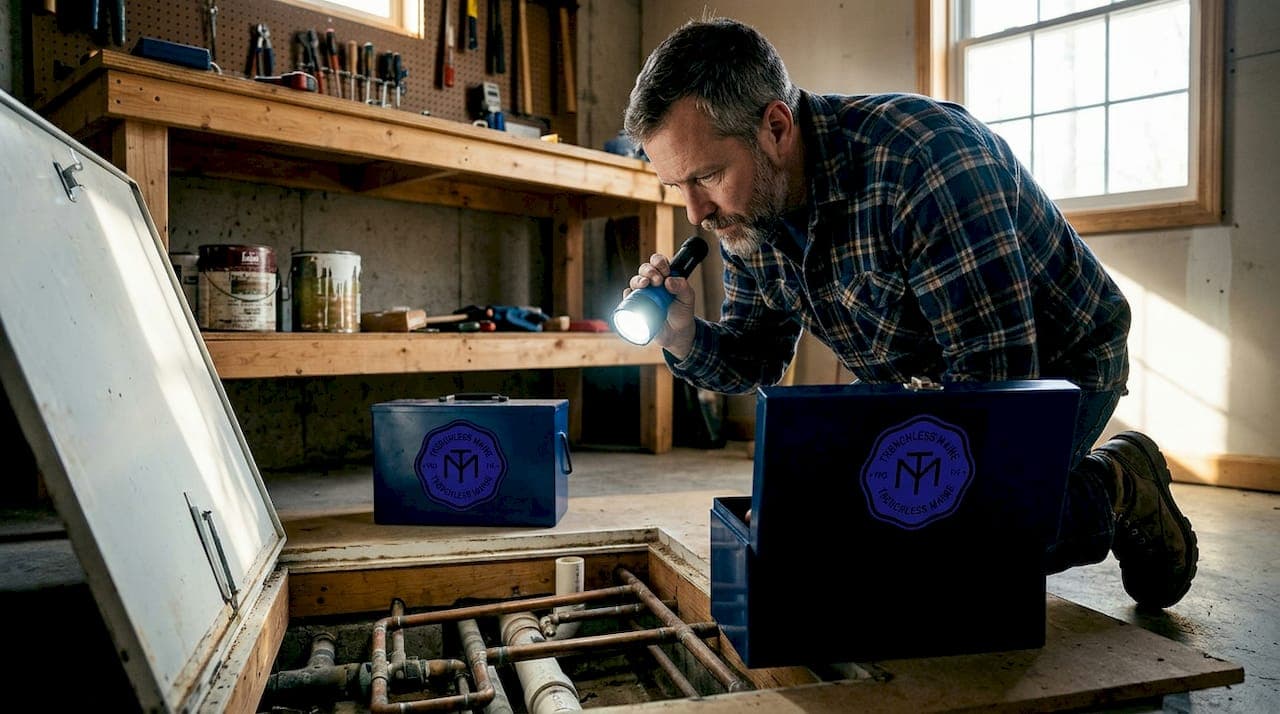
Most homeowners assume that fixing a broken sewer line means a crew digging up the yard for days. That assumption is both outdated and expensive to act on. Sewer rehabilitation, the industry term for restoring deteriorated pipes without full replacement, has changed what sewer repair looks like at the property level. Understanding what is sewer rehabilitation, the methods available, and what a project actually involves gives you real leverage when a problem surfaces. This guide breaks it all down in plain terms.
Table of Contents
- Key Takeaways
- What sewer rehabilitation actually is
- Methods of sewer rehabilitation compared
- What to expect during a sewer rehab project
- The financial side of sewer rehabilitation
- How municipalities prioritize rehabilitation projects
- My honest take on sewer rehabilitation
- Trenchlessmaine can handle your sewer rehab project
- FAQ
Key Takeaways
| Point | Details |
|---|---|
| No-dig methods restore pipes | Trenchless sewer rehabilitation can extend pipe life by 50+ years without large-scale excavation. |
| Multiple methods exist | CIPP lining, pipe bursting, sliplining, and spray coatings each suit different pipe conditions and property types. |
| Disruption is limited | Most lining projects cause roughly 8 hours of service interruption, not days of yard damage. |
| Costs vary but rehab saves money | Rehabilitation typically costs less than full pipe replacement and avoids expensive landscape restoration. |
| Municipalities use risk-based planning | Pipes are prioritized by failure likelihood and consequence, meaning repairs target the highest-risk sections first. |
What sewer rehabilitation actually is
Sewer rehabilitation refers to repairing, reinforcing, or restoring the interior of existing sewer pipes so they continue to function safely and efficiently. Rather than digging up the pipe and replacing it entirely, rehabilitation works from within. The result is a structurally sound, fully sealed pipe that performs like new without the excavation footprint.
You might hear it called pipe lining, sewer restoration, or trenchless sewer repair. These all describe versions of the same core process: inserting or applying new material inside a damaged host pipe to restore its integrity. No-dig restoration methods can extend pipe service life by 50+ years, which is a significant return on investment compared to full replacement.
Why pipes deteriorate in the first place
Several factors drive the need for sewer pipe repair across residential and commercial properties:
- Age and material failure: Clay, cast iron, and Orangeburg pipes installed decades ago were never designed to last forever. Corrosion, brittleness, and joint separation are common in older systems.
- Root intrusion: Tree roots follow moisture and will enter pipe joints or cracks, expanding over time until flow is blocked or the pipe deforms.
- Ground movement: Soil shifting, freeze-thaw cycles (especially relevant in Maine), and heavy surface loads can cause pipe misalignment or collapse.
- Inflow and infiltration (I&I): Stormwater entering sanitary sewer lines through cracks increases hydraulic load and drives up wastewater treatment costs, accelerating the case for rehabilitation.
Ignoring these problems is rarely the cheaper option. A cracked pipe that leaks sewage under your yard or into groundwater creates environmental liability, foul odors, and potential foundation damage. Rehabilitation addresses the cause before those consequences stack up.
Pro Tip: If you notice a strip of unusually green, lush grass running across your yard above your sewer line, that could indicate a leak acting as a fertilizer source underground. Have a camera inspection done before writing it off as coincidence.
Methods of sewer rehabilitation compared
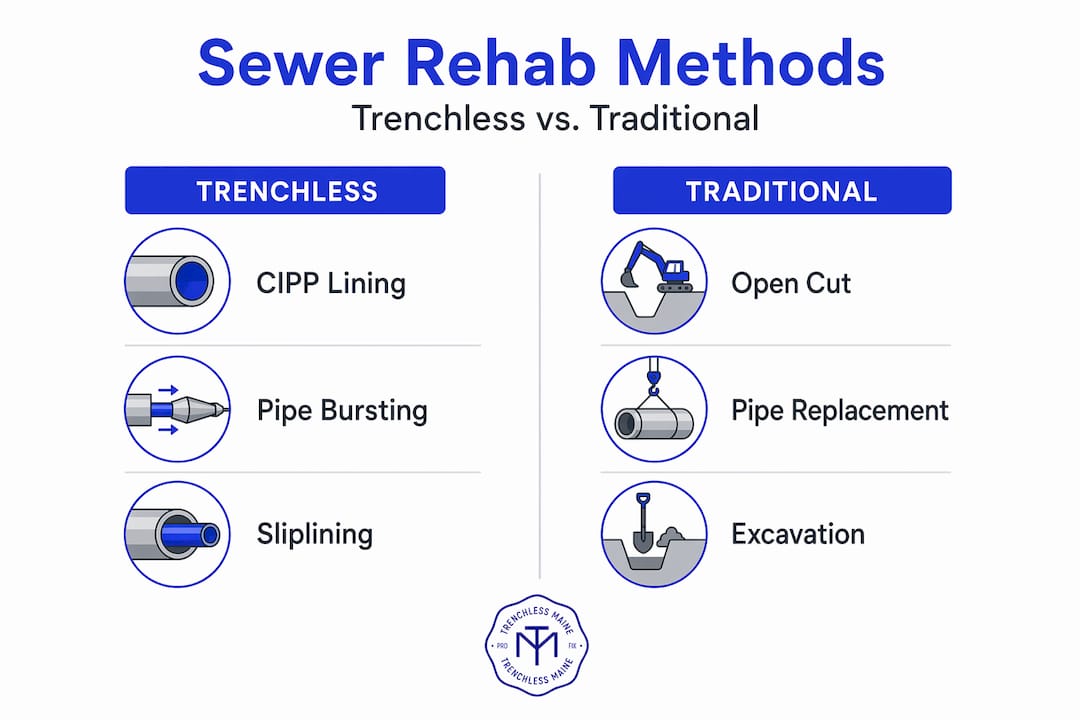
The right method depends on the pipe's material, diameter, depth, condition, and location. Here is a clear look at the four most common options used in residential and commercial sewer system rehabilitation.
Cured-in-place pipe (CIPP) lining
CIPP is the most widely used trenchless method. A resin-saturated felt liner is pulled or inverted into the existing pipe, then expanded against the pipe walls and cured in place using heat, UV light, or ambient temperature. Once cured, it forms a smooth, jointless pipe within a pipe. CIPP works in pipes ranging from small residential laterals to large municipal mains and is effective on clay, cast iron, PVC, and concrete.
Pipe bursting
This method is used when the existing pipe is too far deteriorated to serve as a reliable host. A bursting head is pulled through the old pipe, fracturing it outward while simultaneously pulling a new pipe into position behind it. It replaces the pipe rather than lining it, but still requires only small entry and exit points rather than full excavation.
Sliplining
An older but still practical method, sliplining inserts a smaller-diameter pipe inside the existing one. It reduces the internal diameter slightly but is a reliable option for larger-diameter pipes in commercial and municipal settings where flow capacity allows for the reduction.
Spray-applied coatings
For corrosion control in manholes or short pipe sections, spray-applied epoxy or cementitious coatings can be applied to interior surfaces. These are more commonly used in municipal sewer rehabilitation programs for targeted repairs rather than full-length pipe restoration.
| Method | Best suited for | Invasiveness | Typical durability | Cost range |
|---|---|---|---|---|
| CIPP lining | Most pipe types, residential to municipal | Very low | 50+ years | Moderate |
| Pipe bursting | Severely damaged pipes | Low | 50+ years | Moderate to high |
| Sliplining | Larger diameter pipes | Low | 30 to 50 years | Moderate |
| Spray coatings | Manholes, short sections | Minimal | 20 to 30 years | Lower |
For most homeowners dealing with a damaged sewer lateral, CIPP lining is the go-to recommendation. You can review residential pipe repair methods in more depth to understand which option fits your specific situation.
What to expect during a sewer rehab project
Understanding the typical project stages removes a lot of the anxiety homeowners feel when work begins on their property.
- Camera inspection. A technician runs a CCTV camera through the pipe to assess the condition, identify damage types, measure pipe diameter, and confirm the method best suited for the work.
- Cleaning and preparation. Before any lining can be installed, the pipe is cleaned using hydro jetting or mechanical cleaning to remove roots, scale, grease, and debris. A clean pipe surface is required for the liner to adhere properly.
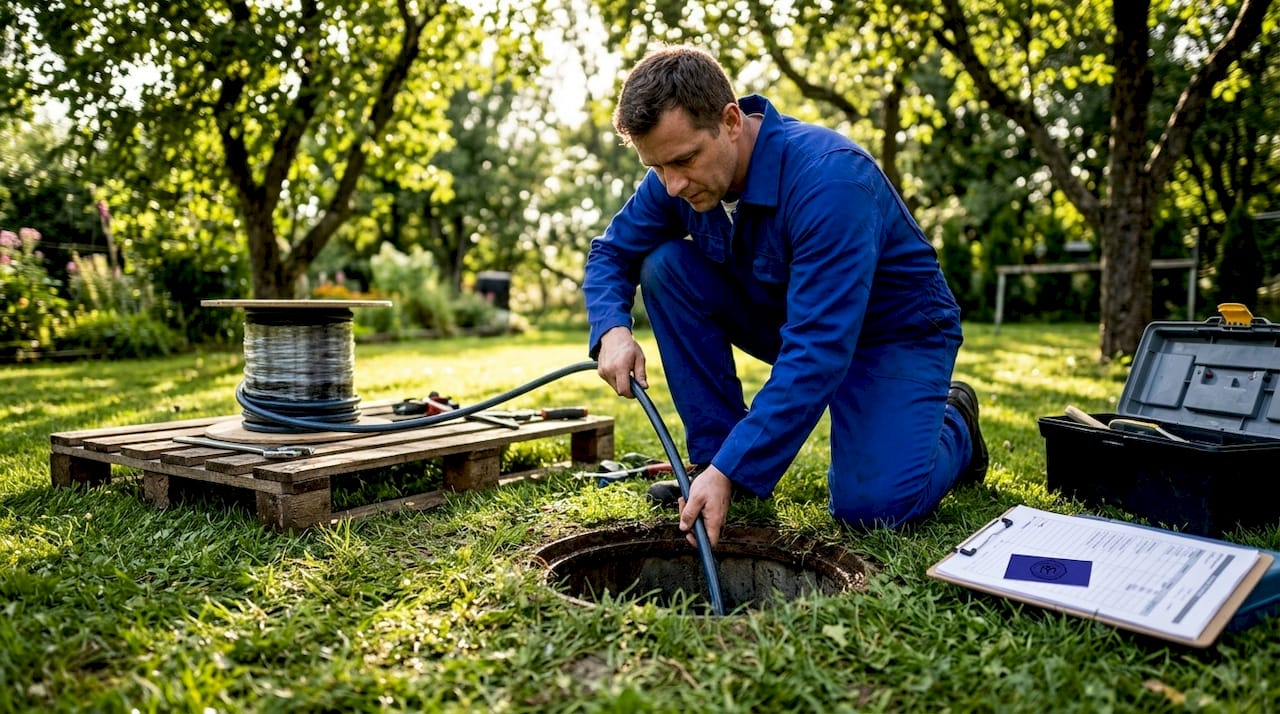
- Liner installation. The selected method (most often CIPP) is applied. For a typical residential lateral, the liner is pulled into position from an access point such as a cleanout or small access excavation.
- Curing. The liner is held against the pipe wall and cured according to the method used. This is when the main service interruption occurs. Residents undergoing CIPP lining work should expect roughly 8 hours of planned sewer service disruption during curing and reconnection.
- Reinstatement of lateral connections. Service connection openings that branch off the main pipe are reopened from inside using a remotely operated cutter. In some cases, small excavations are required where connections cannot be accessed from inside the pipe.
- Post-installation inspection. A final camera pass confirms the liner seated correctly, all connections are open, and the pipe is ready for normal use.
The full process for a residential lateral commonly takes less than a day. Compare that to traditional open-cut replacement, which can involve days of excavation, pipe removal, backfill, and surface restoration.
Pro Tip: Ask your sewer rehabilitation contractor for the pre-work camera inspection footage. Reputable providers share this with you so you can see exactly what was found and why the recommended method was chosen.
You can also read more about reducing disruption during repairs to prepare your household before work begins.
The financial side of sewer rehabilitation
Cost is where most homeowners and property managers get stuck. The honest answer is that it varies, but rehabilitation almost always costs less than full pipe replacement once you factor in excavation, surface restoration, and landscaping repair.
Several factors drive the cost of any sewer rehabilitation project:
- Method selected: CIPP lining for a residential lateral runs differently than pipe bursting on a larger commercial main.
- Pipe condition and length: Severely deteriorated pipes may require preparatory work before lining is possible. Longer runs cost more.
- Access requirements: If your cleanout is buried or the access point requires a small excavation, that adds to the total.
- Property layout: Tight spaces, landscaping, driveways, or proximity to structures can affect how the crew works and how long the job takes.
At the municipal level, the numbers are far larger. Multi-year rate increases on residential utility bills, such as $22 increases phased over three years or 3% annual hikes, are how many municipalities finance bond-funded rehab programs in the hundreds of millions of dollars. If you have noticed a slow rise in your sewer utility rates, there is a good chance an active rehabilitation program is behind it.
Sewer rehabilitation is not a one-time fix. Ongoing annual repairs continue even after major capital projects because pipe systems age continuously and new deteriorations develop. Treating it as a maintenance investment rather than a single repair event gives you a more accurate picture of long-term ownership costs. For a full breakdown, see sewer repair cost factors explained specifically for homeowners.
How municipalities prioritize rehabilitation projects
Municipal sewer rehabilitation prioritization follows a framework called risk-based asset management. Rather than repairing the oldest pipes first, utilities use data to evaluate each pipe segment by two factors.
- Likelihood of failure (LOF): Based on pipe age, material, historical repair records, and inspection data.
- Consequence of failure (COF): Based on what happens if that pipe fails. A main under a busy road near a school scores differently than a lateral under a residential backyard.
Risk-based pipe prioritization allows utilities to direct limited budgets toward the pipes where failure causes the most damage, whether environmental, financial, or public health related.
Technology is accelerating this process. AI-driven project planning tools can turn raw inspection data into ranked, map-based rehab plans in a fraction of the time traditional analysis required, shortening planning cycles from months to weeks and making it easier for utilities to communicate project scope to the public.
Municipal rehab programs often span 5 to 20 years and unfold in multiple phases. If you receive notice of planned sewer work in your neighborhood, it is likely one phase of a much larger, long-term program.
For property managers overseeing commercial properties, understanding how your local utility ranks rehabilitation work helps you anticipate when lateral connections and service lines in your area are likely to be addressed, and whether proactive private-side repairs make financial sense before municipal work begins.
My honest take on sewer rehabilitation
I have seen homeowners put off sewer issues for years because they picture a massive excavation project with torn-up yards and weeks of disruption. That picture belongs to a previous generation of sewer repair.
What I have seen consistently with trenchless rehabilitation is that the actual project is far less disruptive than clients expect. Most of the time, you would not know work happened except for a clean pipe and a completed inspection report. The technology works, and when it is applied by people who know what they are doing, it lasts for decades.
The part I think homeowners underestimate most is the ongoing nature of sewer maintenance. Getting one section lined is not a lifetime solution for an aging system. Think of it the way you think about a roof. One section gets attention now, and you plan for the next section as the system ages.
My advice: do not wait for an emergency. A camera inspection is inexpensive and gives you actual data about your pipe's condition. That data lets you make a planned, budgeted decision instead of a reactive one after a backup or collapse forces your hand.
— John
Trenchlessmaine can handle your sewer rehab project
When you are ready to move from understanding sewer rehabilitation to acting on it, Trenchlessmaine is the team to call in Maine. With over 50 years of combined expertise in trenchless pipe solutions, the team handles CIPP lining, hydro jetting, CCTV camera inspections, and drain clearing with minimal impact to your property.
Most projects are completed in 24 hours or less, and results are backed by warranties up to 50 years. Whether you manage a residential property, a commercial building, or a multi-unit complex, you can explore trenchless sewer technologies in detail and see exactly how each method works. To get a full picture of available services and request a quote, visit the full services page and find out if your Maine address is covered.
FAQ
What is sewer rehabilitation in simple terms?
Sewer rehabilitation is the process of repairing damaged sewer pipes from the inside using trenchless methods, eliminating the need for large-scale digging. The goal is to restore the pipe to full function while extending its service life by 50 or more years.
How long does sewer rehabilitation take?
Most residential projects using CIPP lining are completed within a single day, with the main service interruption lasting approximately 8 hours during liner curing and connection restoration.
Is sewer rehabilitation cheaper than replacement?
In most cases, yes. Trenchless rehabilitation avoids the cost of excavation, pipe disposal, backfill, and surface restoration, making it significantly less expensive than a full open-cut pipe replacement.
What causes sewer pipes to need rehabilitation?
Common causes include pipe age, root intrusion, corrosion, ground movement, joint separation, and stormwater infiltration through cracks, all of which reduce flow capacity and structural integrity over time.
Will I be notified before sewer rehabilitation work affects my property?
Yes. Responsible contractors and municipalities provide advance notice before work begins, including information about expected service interruptions and project duration, so you can prepare accordingly.