
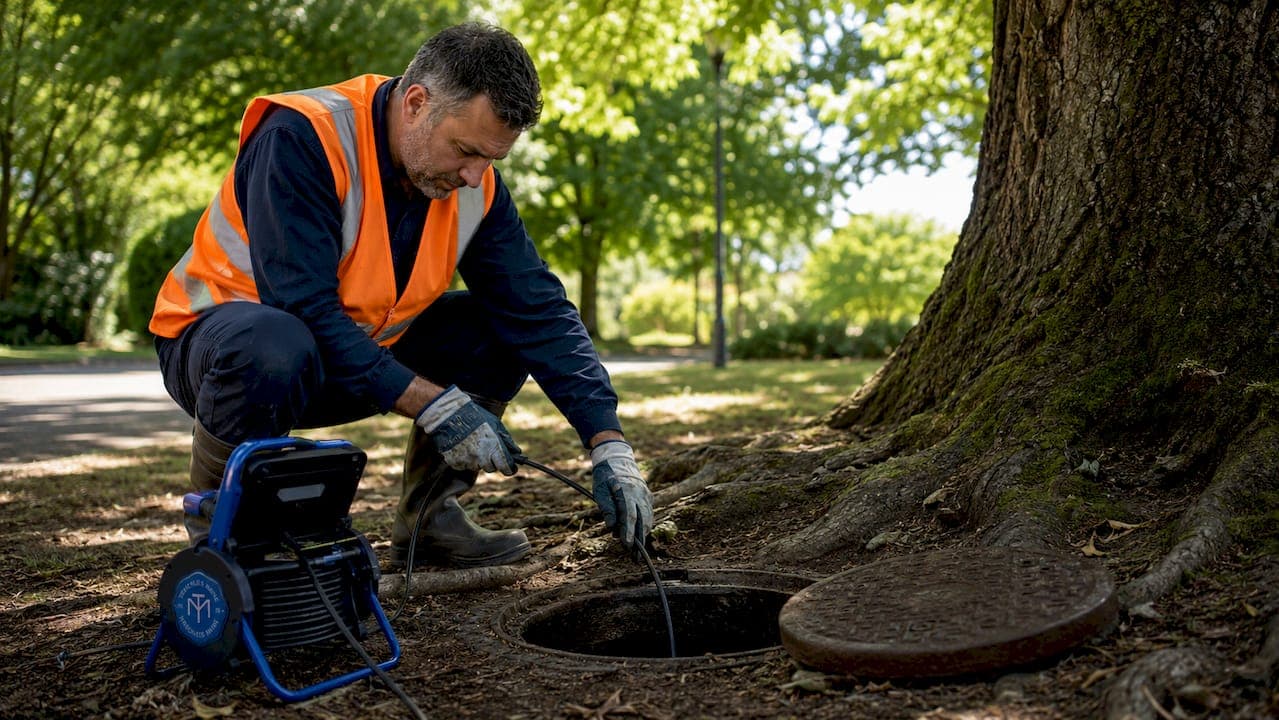
Sewer camera inspection is defined as a non-invasive visual diagnostic method that sends a waterproof camera probe through your pipes to reveal their exact condition in real time. Understanding why camera inspections are crucial starts with one fact: they deliver roughly 90% accuracy in identifying blockages, structural failures, and root intrusion. That precision eliminates the guesswork that drives up repair bills. For Maine homeowners and property managers dealing with slow drains, recurring backups, or aging sewer laterals, a video inspection is the fastest way to know exactly what you are dealing with before spending a dollar on repairs.
How do sewer camera inspections actually work?
Modern sewer camera inspection systems use waterproof, self-leveling probe cameras mounted on flexible push rods or robotic crawlers. LED lighting illuminates the pipe interior, and the camera transmits live, high-definition video to a monitor above ground. The technician records the entire run for documentation and review.
Here is what happens during a standard inspection:
- Camera insertion: The probe enters through a cleanout access point or a removed toilet.
- Real-time video feed: The technician watches live footage and notes the location of any defect using a locator transmitter.
- Data logging: The system records footage with timestamps and pipe depth readings.
- Inspection report: You receive a written summary and video file showing every problem found.
Inspection cameras range from basic handheld push-rod units to robotic systems capable of capturing thermal imaging, gas readings, and LiDAR data. That range of technology means a single inspection visit can produce a complete condition assessment of your sewer lateral without anyone digging a single hole.
Modern camera systems complete a full diagnostic exam in minutes rather than the hours required by traditional probing or exploratory excavation. That speed reduces labor costs and removes the need for workers to enter confined, hazardous spaces. For you as a homeowner, it means less time with a crew in your yard and a faster path to a repair decision.
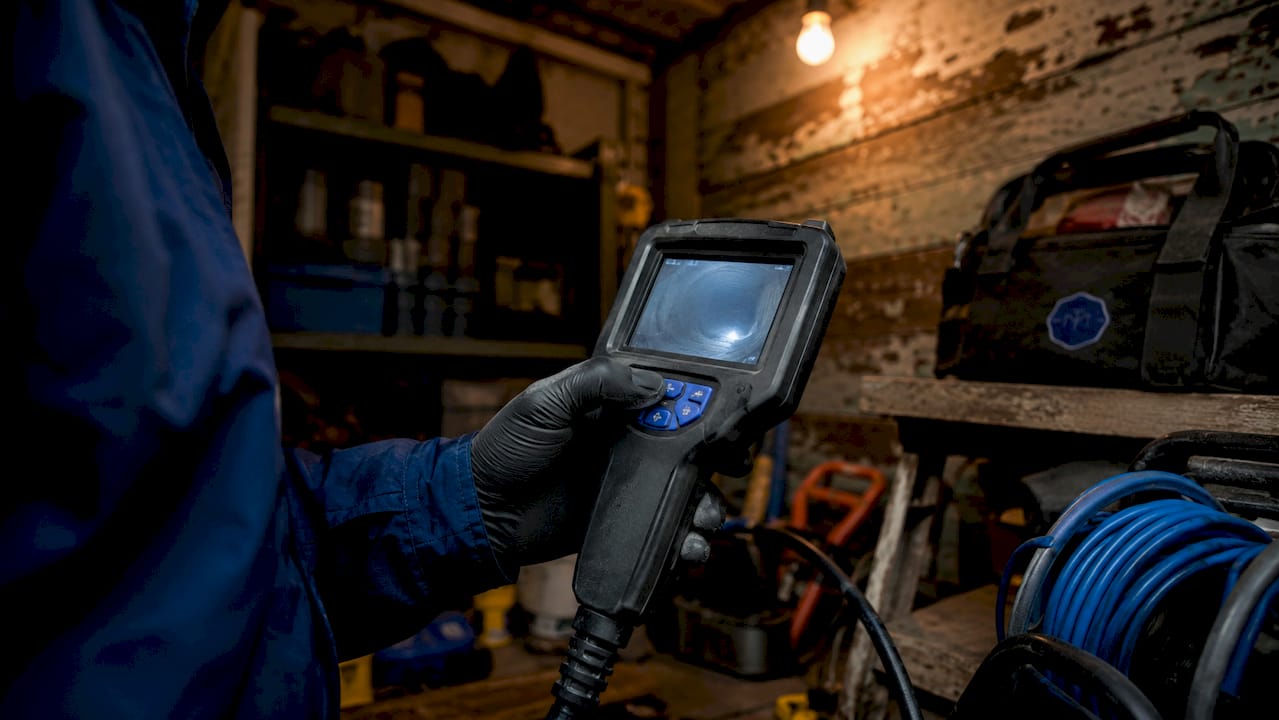
Pro Tip: Ask your technician to walk you through the live footage during the inspection. Seeing the problem yourself makes it far easier to understand the repair recommendation and verify you are not being oversold.
What are the real advantages over traditional methods?
The camera inspection advantages over traditional sewer diagnostics are concrete and measurable. Old methods relied on physical probing, dye testing, or simply digging until the problem appeared. Each approach was slow, expensive, and destructive to your property.
| Factor | Camera Inspection | Traditional Method |
|---|---|---|
| Accuracy | ~90% defect identification | Variable, often requires multiple attempts |
| Property disruption | Minimal, no excavation needed | Significant, trenching often required |
| Diagnosis time | Minutes | Hours to days |
| Cost impact | Up to 30% lower repair costs | Higher due to exploratory labor |
| Documentation | Full video record | Verbal or written notes only |
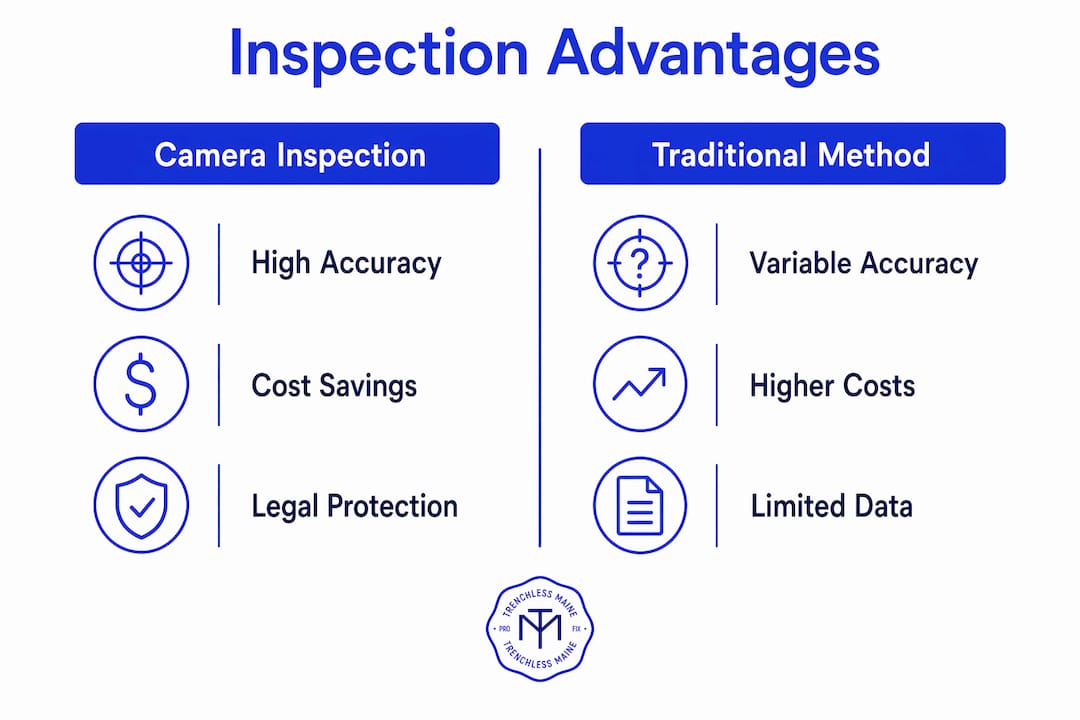
Targeted diagnostics reduce total repair costs by up to 30% compared to traditional reactive methods. That savings comes directly from avoiding unnecessary excavation, wasted labor, and materials used on the wrong section of pipe. When your technician knows exactly where a crack or offset is located, the repair is precise rather than broad.
The benefits of video inspections extend beyond cost. Visual data from inspection cameras helps homeowners understand their sewer condition and make informed maintenance decisions. Seeing a real image of root intrusion or a collapsed section is far more convincing than a verbal description. That transparency builds trust and puts you in control of the repair conversation.
Camera inspections also protect you legally and environmentally. Regular inspections detect illegal cross-connections or discharges that can result in fines or public health hazards. Catching a cross-connection early costs far less than a municipal fine or a contamination cleanup.
Pro Tip: Request a copy of the inspection video in a standard format like MP4. Store it with your home maintenance records. If you sell the property, that footage is documented proof of sewer condition and can support your asking price.
What problems do camera inspections commonly detect?
The importance of camera inspections becomes most obvious when you see the list of defects they routinely uncover. Many of these problems develop silently over years before causing a visible symptom like a backup or a wet spot in your yard.
Common defects found during a sewer camera inspection include:
- Root intrusion: Tree roots enter through pipe joints and grow into the flow channel, causing blockages and joint separation. A strip of unusually green, lush grass running across your yard is a common surface sign.
- Pipe cracks and fractures: Ground movement, freeze-thaw cycles in Maine winters, and age all cause hairline cracks that worsen over time.
- Corrosion: Older cast iron and clay pipes corrode from the inside, reducing diameter and structural integrity.
- Offset joints: Soil settlement shifts pipe sections out of alignment, creating ledges that catch debris and restrict flow.
- Blockages: Grease buildup, wipes, and debris accumulate into partial or full obstructions.
- Pipe deformation: External pressure from soil or tree roots crushes flexible pipe materials like PVC or ABS.
Early detection of any of these defects prevents a far worse outcome. A small crack left unaddressed becomes a full pipe collapse, which requires emergency excavation and costs several times more than a timely spot repair or pipe relining. Camera footage also guides the repair method directly. Root intrusion without structural damage calls for hydro-jetting to clear the line. A cracked or offset section calls for CIPP lining or spot repair. Without the video, a technician is guessing at the right fix.
Camera inspections in new construction catch installation errors like crushed pipes or misaligned fittings before walls are closed or landscaping is finished. Fixing those errors early costs a fraction of what demolition and replacement would cost later. This is a point many homeowners overlook: video inspections are not only for diagnosing existing problems. They are a verification tool at every stage of a property's life.
How often should you schedule a sewer camera inspection?
Practical guidance on inspection frequency protects your property and your budget. Most plumbing professionals recommend a baseline inspection every 2–3 years for homes with sewer lines older than 20 years. Newer construction with PVC pipe can go longer between inspections, but a first baseline inspection is still worth scheduling within the first few years of ownership.
Schedule an inspection immediately if you notice any of these triggers:
- Slow drains throughout the house, not just one fixture, which signals a main line issue.
- Gurgling sounds from toilets or drains after water runs elsewhere in the home.
- Sewage odors inside or outside the property.
- Wet patches or unusually green grass above the sewer line path in your yard.
- Before purchasing a property, to avoid inheriting a failing sewer system.
- After a major repair, to verify the work was completed correctly.
That last point deserves emphasis. Post-repair camera inspections verify workmanship, confirm flow restoration, and prevent repeat service calls. The video record acts as documented proof against future disputes over whether a repair was done properly. Trenchlessmaine includes post-repair verification as a standard part of its process for exactly this reason.
When choosing a service provider, look for technicians who provide a written report with the video file, not just a verbal summary. Ask whether the inspection includes locating the camera position above ground so you know exactly where any defect sits under your property. Documented inspection records also support warranty claims and add verifiable maintenance history when you sell your home.
Pro Tip: Pair your camera inspection with a preventive maintenance plan that includes hydro-jetting every few years. The camera shows you what is there; the jetting clears it before it becomes a blockage.
Key takeaways
Camera inspections are the most cost-effective diagnostic tool available to homeowners, reducing repair costs by up to 30% while delivering roughly 90% accuracy in defect identification.
| Point | Details |
|---|---|
| Accuracy advantage | Camera inspections identify blockages, cracks, and root intrusion with roughly 90% accuracy. |
| Cost reduction | Targeted diagnostics cut total repair costs by up to 30% by eliminating unnecessary excavation. |
| Early problem detection | Inspections catch corrosion, offsets, and root intrusion before they cause pipe collapse or sewage backup. |
| Post-repair verification | Video evidence after repairs confirms workmanship and protects you against future disputes. |
| Inspection frequency | Schedule every 2–3 years for older lines, and always before buying a property or after a major repair. |
What i have learned after years of watching homeowners delay inspections
The single most expensive mistake I see homeowners make is waiting for a visible failure before calling for a camera inspection. A slow drain feels like a minor inconvenience. A sewage backup in your basement is a $10,000 emergency. The gap between those two outcomes is often just one inspection that never happened.
Showing live video during an inspection changes how homeowners engage with their sewer system. When you see root intrusion filling half your pipe diameter on a monitor, the repair decision becomes obvious. You stop debating whether the problem is real and start asking which fix makes the most sense. That shift from doubt to clarity is what video inspections actually deliver, beyond the technical data.
The other pattern I see regularly is homeowners who schedule an inspection only after a contractor recommends a full pipe replacement. In several cases, the video showed a localized crack or a single offset joint that needed a spot repair, not a full replacement. The inspection paid for itself immediately by narrowing the scope of work. Proactive inspections give you that same leverage before anyone has quoted you a large job.
My honest recommendation: treat a sewer camera inspection the same way you treat a home HVAC tune-up or a roof inspection. It is scheduled maintenance, not an emergency response. The cost is modest. The information is specific. And the alternative, reacting after a failure, is always more expensive and more disruptive.
— John
Protect your sewer line with trenchlessmaine's camera inspection services
If you have a slow drain, a recurring backup, or a sewer line that has never been inspected, Trenchlessmaine can give you a clear picture of what is happening underground without tearing up your yard.
Trenchlessmaine combines sewer camera inspection with hydro-jetting and trenchless repair methods like CIPP lining to address whatever the camera finds. The process is fast, with most inspections completed in a single visit, and the video report gives you documented proof of your sewer's condition. Explore Trenchlessmaine's full range of no-dig repair solutions to see how camera diagnostics connect to lasting repairs with minimal disruption to your property. Schedule your inspection today and stop guessing about what is inside your pipes.
FAQ
What does a sewer camera inspection reveal?
A sewer camera inspection reveals blockages, root intrusion, pipe cracks, corrosion, offset joints, and pipe deformation. It provides a real-time video record of your entire sewer lateral from the cleanout to the main.
Are camera inspections necessary for older homes?
Camera inspections are strongly recommended for homes with sewer lines older than 20 years, since cast iron and clay pipes corrode and crack over time. An inspection confirms whether the line needs repair before a failure forces emergency excavation.
How long does a sewer camera inspection take?
Most residential sewer camera inspections are completed in under an hour. Modern camera systems complete a full diagnostic exam in minutes, with the remaining time used for reporting and locating any defects above ground.
Can a camera inspection prevent costly repairs?
Yes. Diagnostic precision with cameras reduces labor hours and material waste by eliminating guesswork and unnecessary broad pipe replacements. Targeted repairs cost significantly less than reactive emergency work.
Should i get an inspection before buying a home in maine?
A pre-purchase sewer camera inspection is one of the most practical steps you can take before closing on a property. It reveals hidden defects that a standard home inspection misses and gives you negotiating leverage or the option to walk away from a costly problem.