
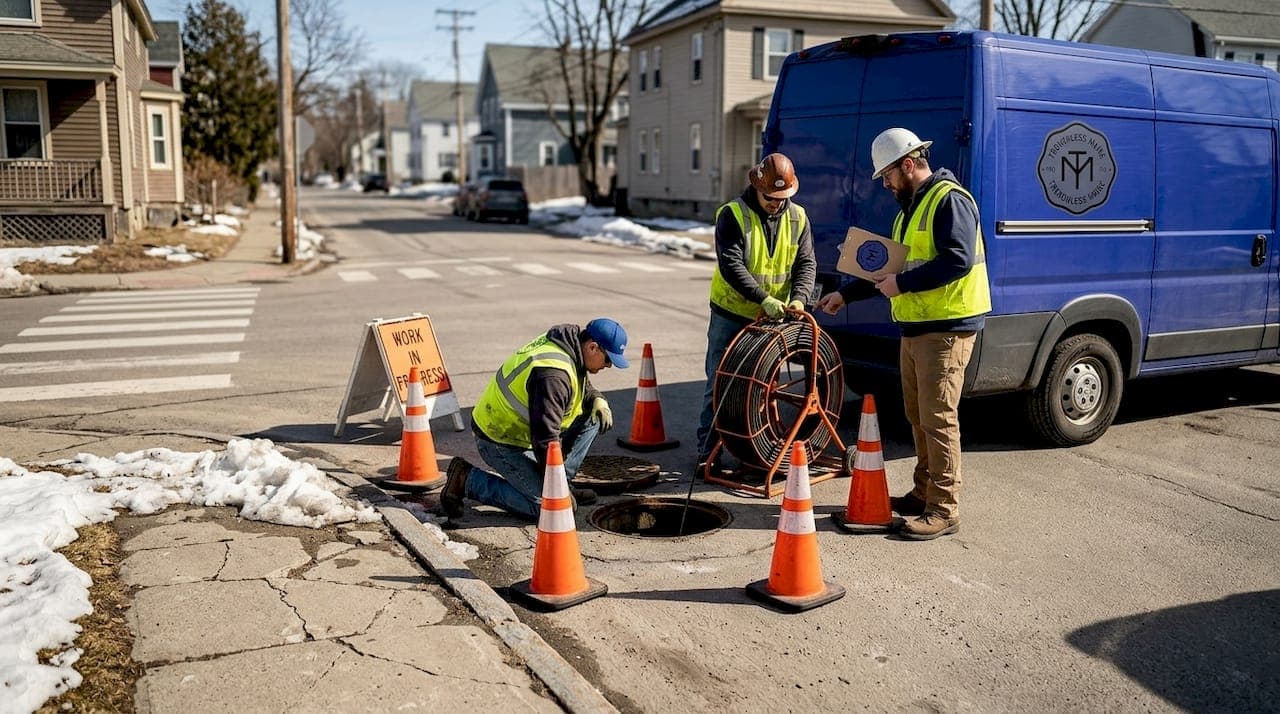
When your sewer line fails, the last thing you want is a crew tearing up your yard for a week. Most Maine homeowners assume that's just how sewer repair works: heavy equipment, piles of dirt, and days of disruption before anything gets fixed. That assumption is outdated. Modern trenchless sewer repair methods have fundamentally changed what's possible, cutting project time dramatically while leaving your landscaping, driveway, and daily routine largely intact. This guide breaks down exactly why trenchless methods are faster, what still influences your timeline, and what to realistically expect when you schedule a repair in Maine.
Table of Contents
- Why traditional sewer repair takes so long
- How trenchless repair slashes project time
- What really controls the project timeline
- Timeline expectations: Typical Maine trenchless project steps
- Hard truths experts know about trenchless project timing in Maine
- Ready to experience faster sewer repair?
- Frequently asked questions
Key Takeaways
| Point | Details |
|---|---|
| Faster project completion | Trenchless sewer repair in Maine usually finishes in 1–3 days, far quicker than traditional methods. |
| Minimal disruption | Homeowners avoid major digging and restore normalcy faster when using trenchless technology. |
| Cure time compliance matters | Strict Maine standards for liner curing and inspection can impact project timelines, especially in cold weather. |
| Complexity adds days | Challenging access, underground obstacles, or multi-line issues may extend project schedules even with trenchless methods. |
Why traditional sewer repair takes so long
Now that we've set aside the old assumptions about sewer repairs, let's see why the old way was so time-consuming.
Traditional dig-and-replace sewer repair is essentially a construction project layered on top of a plumbing repair. Before any pipe work even begins, crews have to remove whatever sits above the damaged line. That could mean cutting through a concrete driveway, pulling up landscaping, or even coordinating with the city to close a section of road. Each of those steps adds hours or days before the actual repair starts.
Once the trench is open, the work is still weather-dependent. Rain, frozen ground, or unexpected underground obstacles like old utility lines or large tree roots can halt progress entirely. Traditional sewer repair can easily stretch over multiple days due to excavation, site restoration, and unplanned complications. That's before you factor in the restoration phase, which means backfilling the trench, compacting the soil, and then repairing or replacing whatever surface was removed.
Here's a side-by-side look at how the two approaches compare:
| Factor | Traditional excavation | Trenchless repair |
|---|---|---|
| Surface removal required | Yes (landscaping, pavement) | Minimal to none |
| Weather sensitivity | High | Moderate |
| Typical repair duration | 3 to 7+ days | 1 to 3 days |
| Restoration work needed | Extensive | Little to none |
| Disruption to daily life | Significant | Low |
| Risk of hidden obstacles | High | Low |
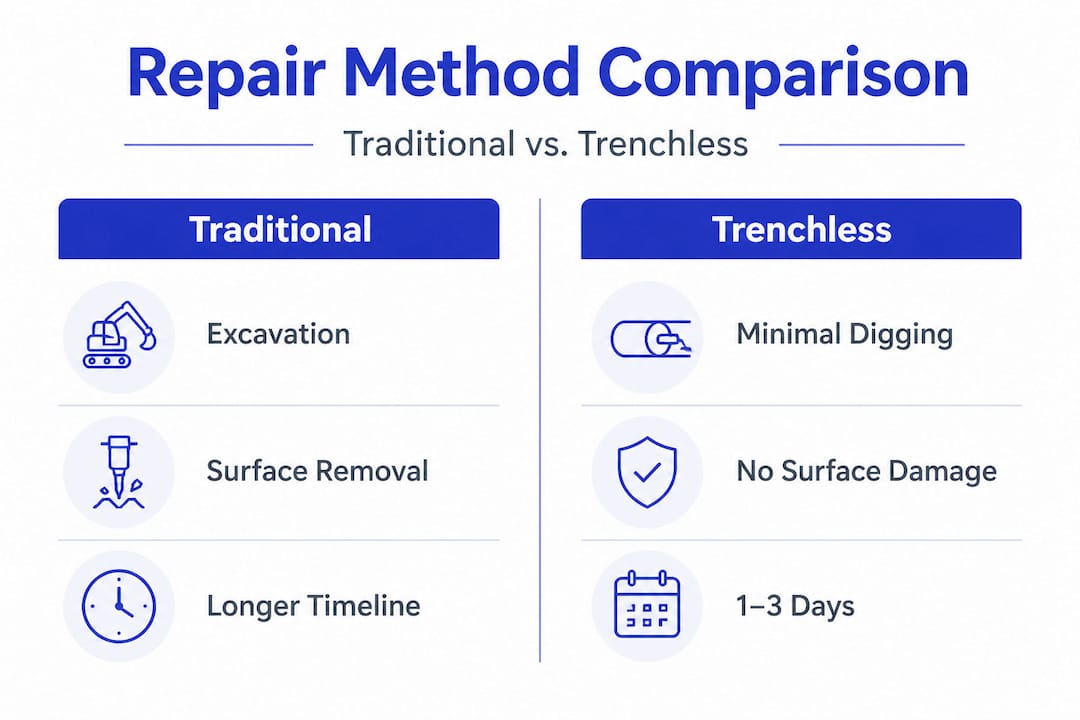
The disruption adds up fast. Consider a common scenario: a cracked sewer lateral (the pipe connecting your home to the main city sewer) running under a paved driveway. With traditional methods, you're looking at driveway demolition, pipe replacement, backfill, and then driveway repaving. That sequence alone can run five to seven days, and that's assuming no surprises underground.
Key reasons traditional repairs take so long:
- Excavation and surface removal must happen before any pipe access
- Unexpected underground conditions frequently cause delays
- Weather can shut down open-trench work entirely
- Restoration of surfaces is a separate, time-consuming phase
- Permits and utility locates add scheduling lead time
Understanding the trenchless vs. excavation costs also helps explain why more homeowners are choosing the faster route. The time savings translate directly into lower labor costs and less disruption to your property value.
"The real cost of traditional sewer repair isn't just the bill you pay the contractor. It's the days you can't use your driveway, the landscaping you lose, and the stress of watching your yard get torn apart."
How trenchless repair slashes project time
Understanding the delays with traditional methods makes the speed of trenchless techniques stand out all the more.
Trenchless sewer repair works by accessing the damaged pipe through existing entry points, typically cleanout ports or small access pits, rather than digging a long trench the full length of the pipe. Two of the most common methods are CIPP lining (cured-in-place pipe lining, where a resin-saturated liner is inserted and hardened inside the existing pipe) and pipe bursting (where a new pipe is pulled through while simultaneously fracturing the old one). Both approaches eliminate the excavation phase entirely.
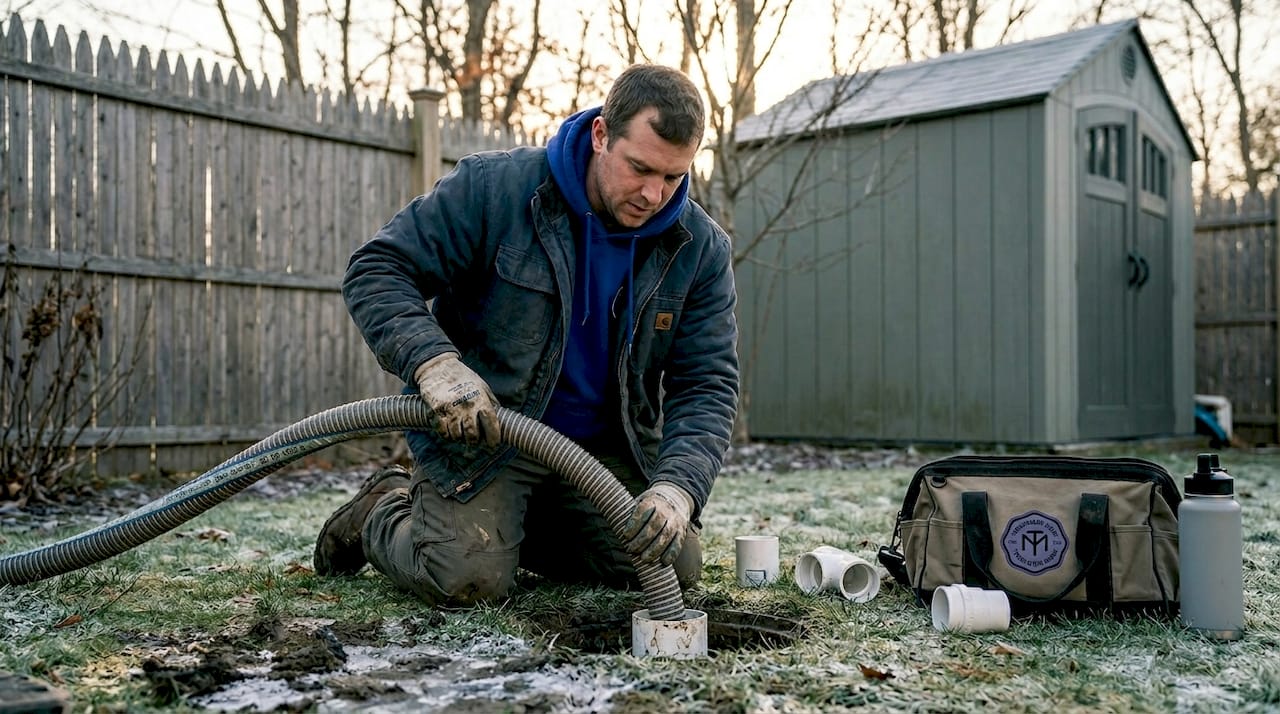
Trenchless repair timelines for the core repair work typically run 1 to 3 days, with straightforward jobs sometimes completed in just a few hours. That's a dramatic reduction compared to the week-plus timeline of traditional excavation. The reason is simple: when you remove the digging and the surface restoration from the schedule, you remove the biggest time consumers.
Here's how the timeline compares across project types:
| Project type | Traditional method | Trenchless method |
|---|---|---|
| Simple lateral repair | 3 to 5 days | 4 to 8 hours |
| Full lateral replacement | 5 to 7 days | 1 to 2 days |
| Main line section repair | 7 to 10 days | 2 to 3 days |
| Complex multi-line job | 10 to 14+ days | 3 to 5 days |
The step-by-step process for a standard trenchless CIPP project looks like this:
- Camera inspection: A technician runs a video camera through the pipe to confirm the damage type, location, and severity.
- Pipe cleaning: Hydro jetting clears debris, root intrusion, and buildup so the liner can bond properly.
- Liner preparation: The resin-saturated liner is measured, cut, and prepared for insertion.
- Liner installation: The liner is inserted and inflated against the pipe walls, conforming to the existing pipe shape.
- Curing: The resin hardens (cures) using heat, UV light, or ambient temperature, depending on the system used.
- Final inspection: Another camera pass confirms the liner is fully cured, sealed, and structurally sound.
- Service restored: Flow is returned to normal.
Pro Tip: Ask your contractor which curing method they use. UV-cured liners often harden faster than ambient-cure systems, which can shorten your total project time by several hours, especially in cooler Maine weather.
You can explore the full range of trenchless services in Maine to understand which method fits your specific pipe condition and property layout. And if you want to see how trenchless repair cuts downtime on real projects, the results speak for themselves.
The key takeaway: Trenchless methods don't just save time at the repair stage. They eliminate entire phases of work that traditional methods require, and that's where the real time savings come from.
What really controls the project timeline
While trenchless cuts the core repair time, several behind-the-scenes factors determine the full schedule.
The total time from your first call to restored service isn't just about the repair itself. Several factors influence how long your specific project takes, and understanding them helps you plan accurately and avoid surprises.
Inspection and diagnosis always come first. Before any repair begins, a camera inspection confirms what's wrong, where the damage is, and whether trenchless methods are appropriate. Severe pipe collapse, extreme deformation, or certain types of pipe material may limit which trenchless options are viable. This step typically takes a few hours but is non-negotiable.
Curing requirements are often the most misunderstood part of the timeline. For CIPP lining, the resin must reach a specific cure level before the pipe can safely carry flow again. CIPP installation is governed by strict cure-time and temperature requirements, which is a key reason the curing stage drives schedule and downtime. You cannot safely restore flow until cure and inspection criteria are fully met. There are no shortcuts here, and any contractor who tells you otherwise is cutting corners.
Site-specific factors that can extend your timeline include:
- Limited access points for equipment (narrow driveways, fenced yards, tight urban lots)
- Pipes located under structures or deep below grade
- Multiple damaged sections requiring sequential repairs
- Severe root intrusion requiring extended hydro jetting before lining
- Underground obstacles discovered during prep work
Edge cases that extend timelines include accessibility constraints, underground obstacles, and more complex scope such as multi-line or severely damaged systems. These aren't rare exceptions. They come up regularly on Maine properties, particularly older homes with aging infrastructure.
Maine's climate adds another layer. Cold temperatures slow resin curing, which means winter and early spring projects may require additional cure time or specialized liner systems designed for low-temperature performance. This is a real consideration, not just a disclaimer.
Pro Tip: When you get a project estimate, ask specifically about the curing method and the minimum temperature requirements for that liner system. If your project is scheduled during a cold snap, a good contractor will already have a plan for managing cure time.
You can review the no-dig technology features used on Maine projects to understand how equipment choices affect both repair quality and timeline. Seeing project before-and-after results also gives you a realistic sense of what to expect. For ongoing property care, sewer maintenance tips for Maine can help you avoid future emergencies.
"The cure stage is the one part of trenchless repair where patience is non-negotiable. Rushing it risks liner failure, which means doing the job twice."
Timeline expectations: Typical Maine trenchless project steps
Knowing what influences total time, it helps to see how a typical project in Maine actually unfolds.
Here's a realistic step-by-step breakdown of a standard residential trenchless sewer repair in Maine, from first contact to fully restored service:
- Initial contact and scheduling: You call or submit a request. Depending on the contractor's availability and your urgency, scheduling typically happens within 1 to 3 business days.
- Camera inspection (Day 1): A technician performs a video inspection of your sewer line. This confirms the problem, its location, and the best repair method. Results are usually available the same day.
- Estimate and material ordering: Based on the inspection, your contractor prepares a quote and orders the correct liner size and resin system. Standard materials are often in stock, but specialty liners may take 1 to 2 additional days.
- Pipe preparation (Repair day, morning): The crew arrives and begins hydro jetting to clean the pipe. This removes debris, grease buildup, and root intrusion so the liner bonds correctly.
- Liner installation (Repair day, midday): The liner is inserted, positioned, and inflated against the pipe walls. This step typically takes 2 to 4 hours depending on pipe length and access.
- Curing phase (Repair day, afternoon): The resin cures according to the manufacturer's specifications and Maine DOT CIPP requirements. Schedule plans should include contingency for slower curing conditions, such as temperature or liner system constraints, rather than assuming a fixed cure duration.
- Final camera inspection: Once curing is confirmed, a second camera pass verifies the liner is fully bonded, smooth, and sealed with no defects.
- Service restored: Flow is returned. In most cases, your sewer is fully operational by end of day or the following morning.
Pro Tip: Build at least one buffer day into your schedule for weather or technical delays, especially if your project falls between November and April. Maine winters are unpredictable, and a single cold night can extend cure time by several hours.
Check out actual Maine projects to see how this timeline plays out in real-world conditions across different property types and pipe configurations.
Hard truths experts know about trenchless project timing in Maine
With the step-by-step timeline in mind, what do seasoned Maine pros really want you to know before starting a trenchless project?
Here's an uncomfortable truth: some trenchless marketing promises a "one-day fix" without being fully transparent about what that claim covers. The core repair, meaning the liner installation itself, can absolutely happen in a single day. But the full project, from inspection through curing and final verification, almost always spans more than one day when you account for compliance requirements and real-world site conditions.
We've seen this play out repeatedly. A homeowner schedules a trenchless repair expecting to be done by noon, then discovers the cure phase requires an overnight hold due to temperatures dropping below the liner's minimum threshold. That's not a failure. That's the system working correctly. Cutting the cure short to meet a marketing promise is what leads to liner failures and callbacks.
The biggest time savings in trenchless repair come from eliminating digging and surface restoration, not from compressing the core repair steps. A contractor who skips or rushes the camera inspection, the pipe cleaning, or the curing verification is trading your long-term pipe health for a faster completion time. That's a bad trade.
The best trenchless contractors in Maine budget extra time for temperature variability, site access challenges, and compliance verification. They give you a realistic window, not a best-case promise. When you're comparing quotes, ask each contractor to walk you through their full project timeline, not just the installation day. That conversation tells you a lot about how they operate.
The bottom line: expect trenchless to be significantly faster than excavation vs. trenchless timelines show for traditional methods, but get the specifics for your property up front. A good contractor will tell you exactly what drives your timeline and where the flex points are.
Ready to experience faster sewer repair?
You now have a clear picture of what drives trenchless project timelines and why this approach is so much faster than traditional excavation. The next step is finding out what your specific property needs and how quickly we can get it done.

At Trenchless Maine, we back every project with detailed upfront timelines, transparent curing requirements, and real results you can verify. Browse our full range of trenchless services in Maine to see which method fits your situation. Take a look at recent Maine repair projects to see actual before-and-after results and realistic project timelines from properties across the state. When you're ready to move forward, get a free estimate tailored to your property, your pipe condition, and your schedule. We'll give you a straight answer on timing, not a best-case sales pitch.
Frequently asked questions
How much faster is trenchless sewer repair compared to digging?
Trenchless repair typically cuts project time at least in half, often finishing in 1 to 3 days compared to a week or more for traditional excavation. The elimination of digging and surface restoration is where most of that time savings comes from.
Does cold weather affect trenchless project timing in Maine?
Yes, colder temperatures slow resin curing, and cure-time compliance cannot be bypassed, so most Maine projects include extra buffer time during fall and winter months. Your contractor should account for this in the schedule from day one.
What steps add time to trenchless sewer repair?
Assessment, pipe cleaning, and the required curing phase are the main time drivers, with complex layouts or access challenges adding extra days on top of the core repair work. Material lead times for specialty liners can also extend the schedule before work even begins.
Is trenchless repair less disruptive for homeowners?
Yes, because it avoids major digging and surface restoration, trenchless repair dramatically reduces property disruption and downtime compared to traditional excavation. Most homeowners can continue using their property normally throughout the repair process.
Recommended
- Before & After Gallery | Trenchless Sewer Repair Projects | Trenchless Maine
- Trenchless Sewer Repair in Maine | Trenchless Maine
- Trenchless vs. Excavation: Cost Breakdown for Maine
- Sewer Repair Technology: No-Dig Solutions | Trenchless Maine
- Trenchless Repair: Save Your Pittsburgh Home from Disruption - AG-Plumbing