
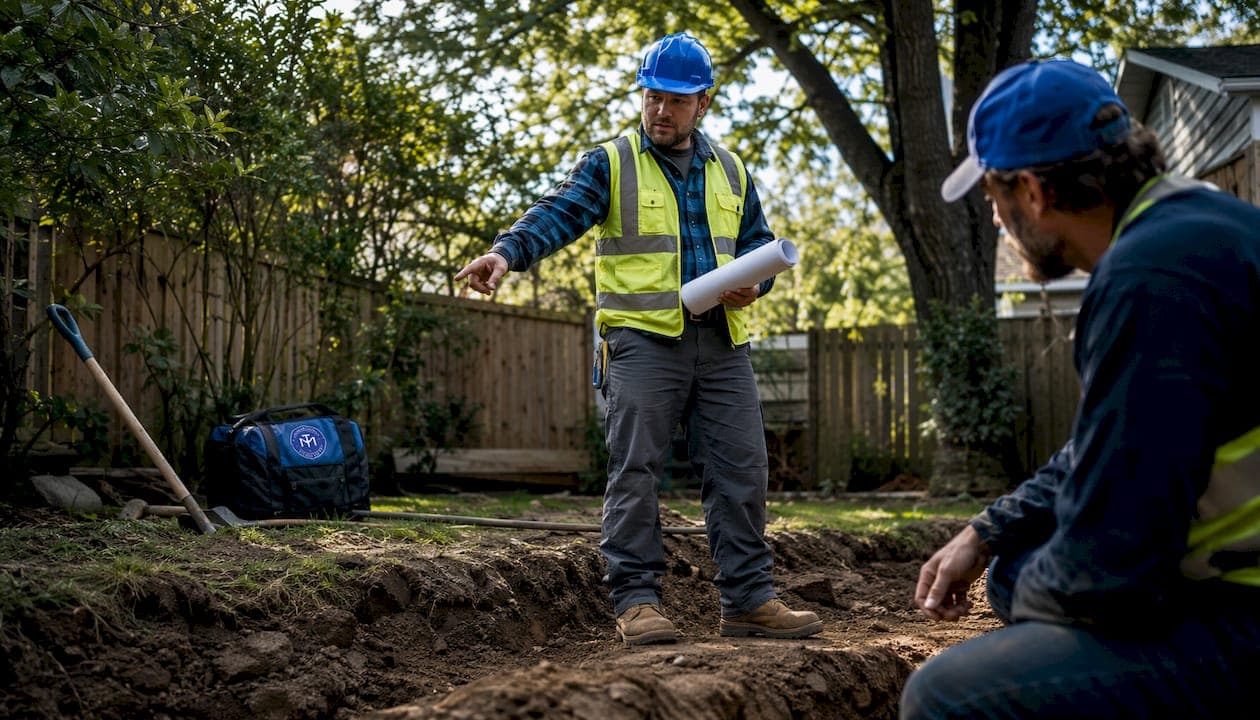
Trenchless methods like Cured-in-Place Pipe (CIPP) lining and hydro jetting are the most effective ways to reduce sewer repair neighborhood disruption. Unlike traditional open-cut repairs, these non-invasive techniques require no road trenching, minimal heavy equipment, and far less noise. Researchers Kaushal and Najafi, whose work on environmental and social costs of sewer rehabilitation is widely cited, confirm that trenchless CIPP causes significantly less environmental impact than open-cut methods. For property owners and managers in Maine, that difference shows up directly in how little your neighbors notice the work.
- CIPP lining creates a new pipe inside the old one using a resin-saturated liner, with no trenching required
- Hydro jetting clears blockages and buildup using high-pressure water, leaving the surface completely undisturbed
- Pipe bursting and slip lining offer additional trenchless options for pipes in poor structural condition
- Trenchless repairs typically cut project time significantly compared to open-cut methods, reducing how long residents deal with any disruption
What traditional open-cut sewer repairs actually do to your neighborhood
Conventional sewer line replacement tears up streets, generates constant noise, and parks heavy machinery in front of homes for days. Seattle Public Utilities describes the typical impacts residents can expect from open-cut utility work:
- Jackhammering and heavy equipment running during 12-hour construction shifts, typically 7 a.m. to 7 p.m.
- Dust, airborne particulates, and ground vibrations affecting nearby structures
- Full or partial road closures with mandatory detours
- Parking restrictions that can last days or weeks
- Large equipment staged in residential driveways and yards
- Temporary loss of sewer service during active work
- Road surfaces left unrepaired or only partially restored after the project
The cumulative effect on a neighborhood is real. Businesses lose foot traffic, residents can't park near their homes, and the noise alone disrupts daily routines for everyone on the block.
How trenchless sewer repair technologies reduce neighborhood impacts
Trenchless methods work from existing access points, typically manholes, so the street stays intact. Here is how the main technologies compare:
| Method | Surface Disruption | Typical Duration | Best Use Case |
|---|---|---|---|
| CIPP lining | Minimal (access points only) | Most complete within 24 hours | Cracked, deteriorated, or leaking pipes |
| Hydro jetting | None | 1–4 hours | Blockages, grease buildup, root intrusion |
| Pipe bursting | Small pits at entry/exit | 1–2 days | Severely damaged pipes needing full replacement |
| Open-cut replacement | Full trench excavation | 1–4 weeks | Collapsed pipes with no viable trenchless access |
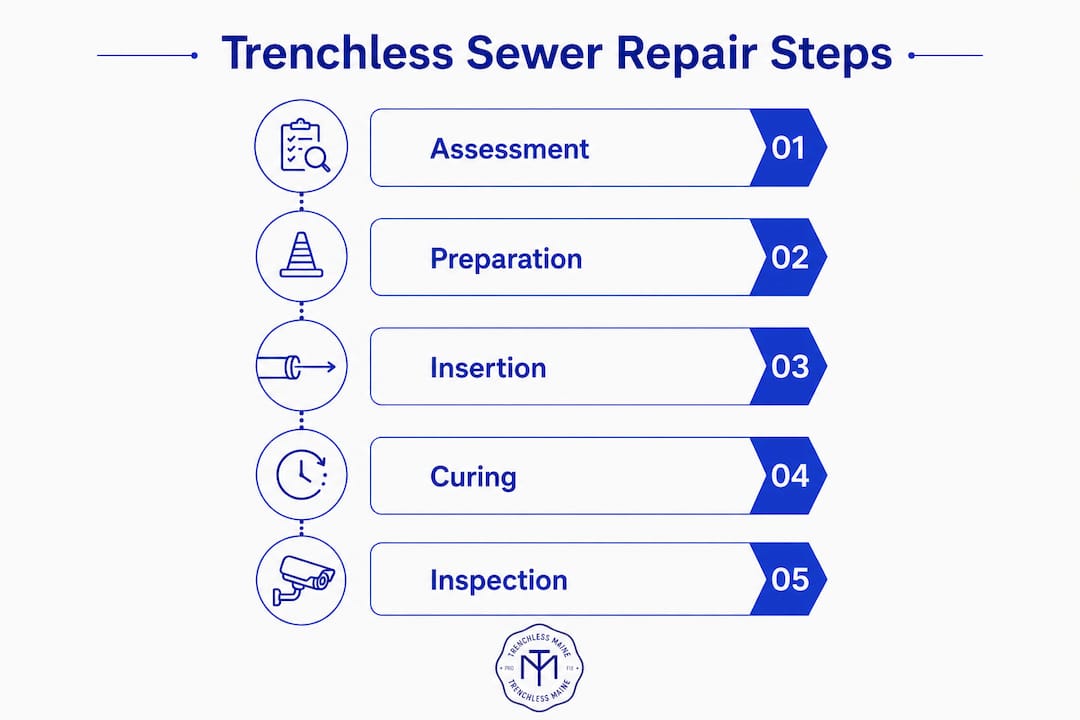
CIPP lining involves inserting a resin-saturated felt liner into the existing pipe, then curing it in place using hot water, steam, or UV light. The result is a structurally sound new pipe inside the old one, with warranties up to 50 years. Hydro jetting uses high-pressure water jets to clear debris and obstructions rapidly without any excavation. Trenchlessmaine brings over 50 years of combined trenchless experience to every project, ensuring the right method matches your specific pipe conditions from the start.
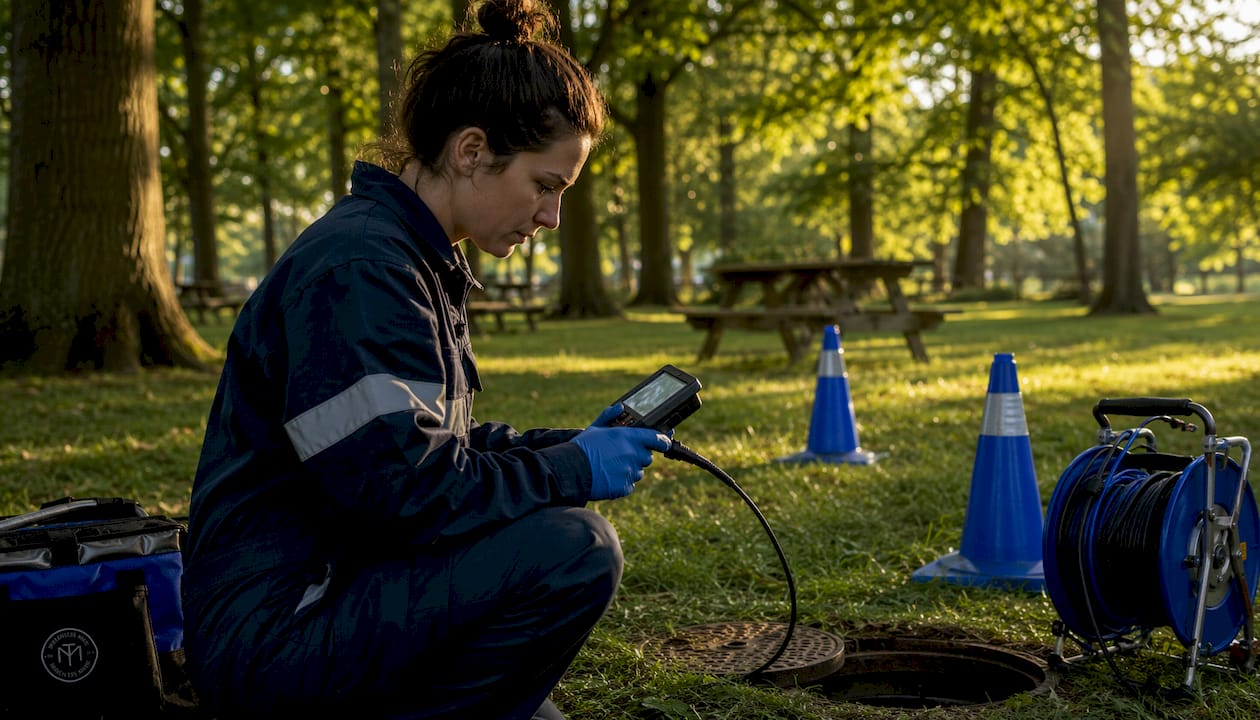
Key factors that determine which repair method fits your situation
No single method works for every sewer problem. The right choice depends on several site-specific variables, and experts Kaushal and Najafi stress that method selection should be driven by design requirements and site constraints rather than defaulting to one approach.
Factors that shape the decision include soil conditions and groundwater levels, the diameter and depth of the existing pipe, the severity and type of damage (root intrusion, pipe deformation, or full collapse), proximity to other underground utilities, and local permit requirements. A pipe that is cracked but structurally intact is an ideal CIPP candidate. A pipe that has fully collapsed may require pipe bursting or a short section of open-cut work.
Pro Tip: Before any repair begins, coordinate with your local municipality and call 811 to have underground utilities marked. Discovering a gas line mid-project adds days to the timeline and costs everyone involved.
Environmental benefits and what's coming next in trenchless repair
Trenchless CIPP produces approximately 70% less ecological impact, 75% less human health impact, and 62% less resource depletion compared to open-cut methods. Those figures come from a case study renewing over 116,000 feet of pipelines, making them grounded in real project data, not lab estimates.
Trenchless CIPP causes greatly reduced environmental impact, human health impact, and resource depletion compared to open-cut methods — based on a case study renewing a large length of pipelines in South Pasadena, California.
One honest caveat: CIPP curing does release styrene and other VOCs during the process. These emissions are generally low and dissipate quickly, but they are worth knowing about. Ongoing research into greener resin formulations and improved curing processes is actively reducing these concerns, and recycling materials used in CIPP can reduce its environmental impact by a notable margin. The direction of the technology is clearly toward lower emissions with each generation of materials.
What to expect during a trenchless sewer repair project
Trenchless repairs are far less disruptive than open-cut work, but there are still a few things to prepare for. Work typically runs between 7 a.m. and 7 p.m., and you may notice a glue-like odor indoors during CIPP curing.
- Sewer service interruption: Your lateral will be temporarily out of service during active lining. Avoid flushing, showering, running the dishwasher, or draining water during this window to prevent backups
- Odor management: Pour one gallon of water into all floor drains, especially basement drains, to keep trap seals filled and block any odor from entering the home
- Parking and access: Expect minor equipment staging near access points, but no full road closures in most residential trenchless projects
- Project timeline: Most CIPP lining jobs complete within a single day; hydro jetting often wraps up in a few hours
Trenchlessmaine customers consistently report that the work was quieter and faster than they expected, with no lasting damage to their driveways or landscaping.
How to communicate with residents before, during, and after the repair
Clear communication before work starts prevents most neighbor complaints. Post no-parking notices at least 24 hours in advance, and notify directly impacted residents in writing at least one week before the scheduled date, then again the day before. Share the project website or a contact number so residents can check the updated schedule themselves rather than relying solely on door hangers, which can be missed.
During the work, designate one point of contact on site who can answer questions from neighbors. After the project wraps, a brief follow-up notice confirming the work is complete and the sewer is back in service goes a long way toward rebuilding goodwill. For larger projects, learn more about minimizing disruption at home with practical steps you can take before the crew arrives.
Legal and regulatory considerations for neighborhood sewer repairs
Most municipalities require permits before any sewer repair work begins, even for trenchless methods. You will typically need a right-of-way permit if work touches a public street or easement, and some jurisdictions require traffic control plans even for minor lane restrictions. Noise ordinances set limits on construction hours, which is why the 7 a.m. to 7 p.m. window appears consistently across city guidelines. Notifying residents 48 hours in advance is a legal requirement in many jurisdictions, not just a courtesy. Check with your local public works department early, as permit timelines vary and can affect your project schedule.
Real-world examples of trenchless disruption minimization
The City of South Pasadena, California, renewed over 116,000 feet of sewer mains primarily using CIPP lining, reserving open-cut work only for the roughly 4,000 feet of pipes too severely damaged for trenchless access. The result was a project that completed faster, generated far less traffic disruption, and produced measurably lower environmental impacts than a fully open-cut approach would have.
San Francisco's Public Utilities Commission uses a "dig once" approach on major corridors, coordinating sewer system upgrades with other city infrastructure work to reduce the total number of times a street gets disrupted. That kind of planning, pairing trenchless methods with smart project sequencing, is what keeps neighborhood impact to a minimum on large-scale utility work.
Contingency plans when unexpected problems arise during repair
Even well-planned trenchless projects hit surprises. A pipe that looked repairable on camera may turn out to be more deteriorated than the footage showed, or a utility conflict may surface mid-project. Having a contingency plan before work starts keeps delays short.
Build in a 24-hour buffer in your resident notifications to account for schedule shifts. Confirm that your contractor carries the equipment and materials to switch from CIPP to a targeted open-cut spot repair if a section of pipe is too damaged for lining. Keep a direct contact number for your local sewer utility on hand in case an emergency service interruption needs to be reported. For property managers overseeing multiple units, pre-notify tenants that a one-day extension is possible and outline what they should do if sewer service is not restored by end of day.
Trenchlessmaine gets your sewer repaired without tearing up the neighborhood
Sewer problems don't wait, and neither should you. Trenchlessmaine specializes in trenchless sewer repair across Maine, using CIPP lining and hydro jetting to fix residential, commercial, and municipal sewer lines without excavating your yard or closing your street. With warranties up to 50 years on completed work, Trenchlessmaine delivers repairs that last, backed by a track record property owners across Maine trust.
Most projects complete within 24 hours. Get a free quote from Trenchlessmaine today and find out whether your property is in the service area.
Key Takeaways
Trenchless CIPP lining and hydro jetting reduce sewer repair neighborhood disruption by eliminating road trenching, cutting project timelines, and producing roughly 70% less environmental impact than open-cut methods.
| Point | Details |
|---|---|
| CIPP reduces ecological impact | Trenchless CIPP causes approximately 70% less environmental impact than open-cut replacement. |
| Odor management matters | Pour one gallon of water into floor drains during CIPP curing to block odors from entering the home. |
| Notify residents early | Written notice one week before work, then again the day before, prevents most neighbor complaints. |
| Method choice is site-specific | Soil conditions, pipe diameter, damage severity, and underground utilities all determine the right repair approach. |
| Trenchlessmaine delivers lasting results | Trenchlessmaine backs repairs with warranties up to 50 years and completes most projects within 24 hours. |