
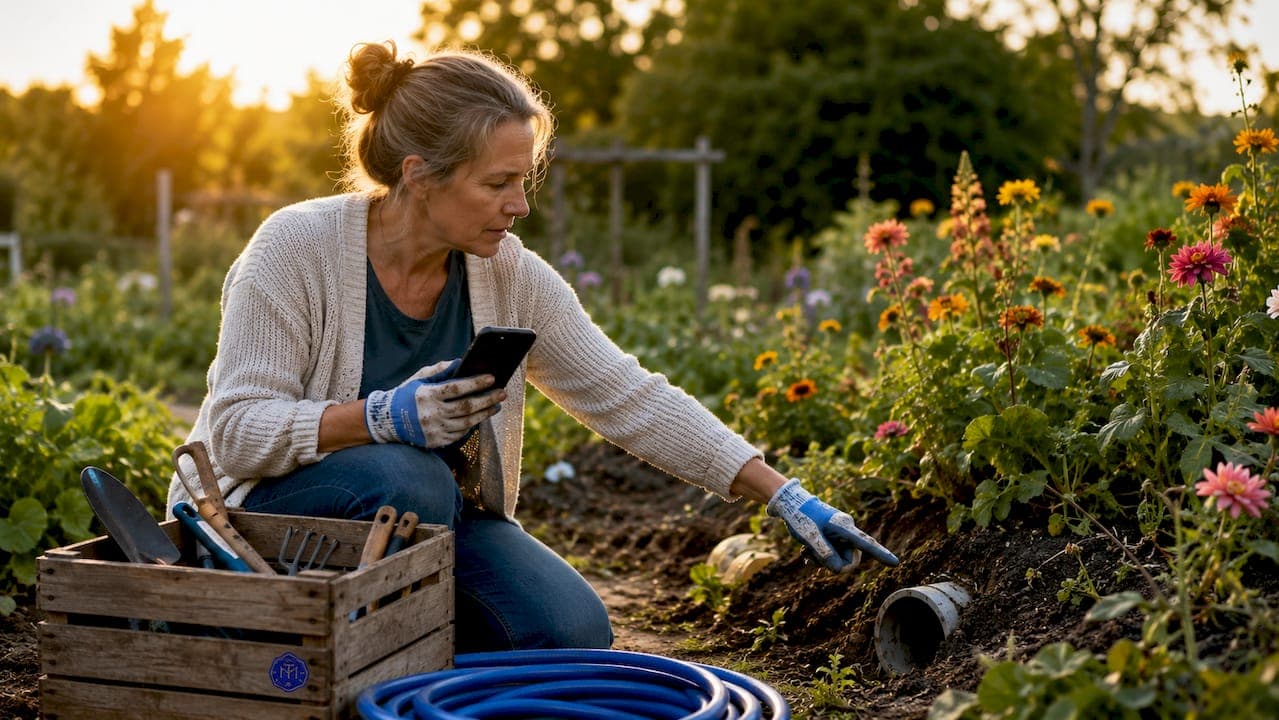
Sewer pipe longevity is defined by five primary factors: pipe material, soil conditions, tree root intrusion, installation quality, and maintenance practices. Each one directly determines how long your sewer lateral stays functional before it needs repair or replacement. Schedule 40 PVC pipes last 75–100+ years, while older clay and Orangeburg pipes may fail in half that time. Understanding these sewer pipe longevity factors gives you the power to make smarter, more cost-effective decisions about your property's underground infrastructure.
1. How pipe material drives sewer pipe longevity
Pipe material is the single biggest predictor of how long your sewer line will last. The type of pipe buried under your yard determines its resistance to corrosion, root intrusion, and physical stress over decades.
| Material | Expected Lifespan | Key Weakness |
|---|---|---|
| Schedule 40 PVC | 75–100+ years | Minimal; UV exposure above ground |
| Cast iron | 50–75 years | Rust and internal corrosion |
| Clay (vitrified) | 50–60 years | Brittleness, joint cracking |
| Orangeburg | 30–50 years | Delamination, structural collapse |
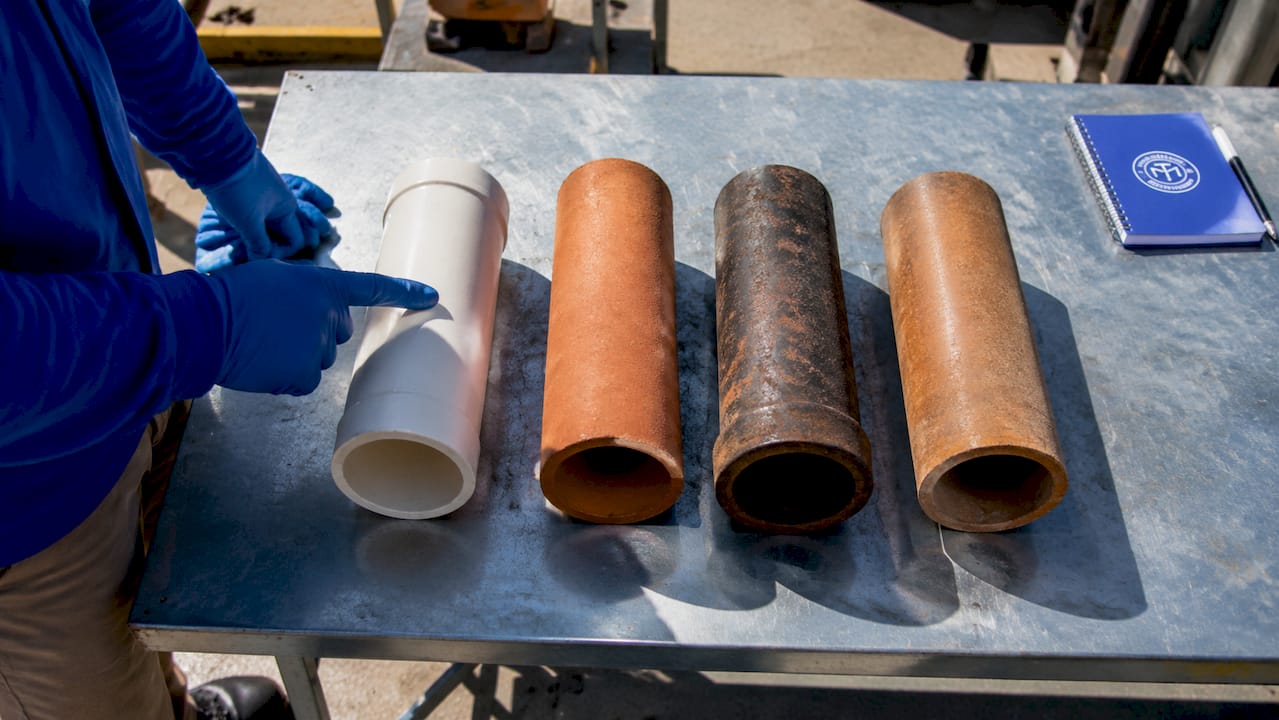
Schedule 40 PVC is the most durable and corrosion-resistant option available today. Its smooth interior also resists buildup better than older materials. Cast iron pipes, common in homes built before 1970, last 50–75 years but corrode from the inside out as wastewater chemistry degrades the metal over time.
Clay pipes were the standard for most of the 20th century, but they crack easily under ground movement and tree root intrusion. Orangeburg pipes, made from compressed wood pulp and pitch, were widely installed after World War II as a low-cost alternative. They are now considered obsolete because they absorb moisture, delaminate, and collapse well before their rated lifespan.
Pro Tip: If your home was built before 1980, there is a strong chance your sewer line contains clay, cast iron, or Orangeburg pipe. A camera inspection will confirm the material and its current condition before problems surface.
2. Soil conditions and environmental effects on sewer pipes
Soil behavior is one of the most underestimated factors affecting pipe lifespan. The ground around your pipes shifts, expands, and contracts constantly, and rigid pipes take the full force of that movement.
Clay-rich soil expands when wet and contracts when dry. That repeated cycle stresses joints and cracks brittle materials like clay and cast iron pipes. Maine's freeze-thaw cycles compound this problem significantly, pushing soil movement further with each winter.
Soil settling and erosion create a related issue called a "belly," where a section of pipe sags and collects standing water. That pooled water accelerates corrosion in metal pipes and creates a breeding ground for blockages. Corrosive soil chemistry, particularly in areas with high sulfur content or acidic ground, also attacks metal pipes from the outside.
Localized conditions worth evaluating on your property include:
- High clay content in the soil layer surrounding your sewer lateral
- Proximity to large trees whose roots follow moisture toward pipe joints
- History of construction or heavy vehicle traffic above the pipe route
- Low-lying or flood-prone areas where soil saturation is frequent
Pro Tip: Ask your local municipality for soil composition data for your neighborhood. That one step can tell you whether your pipes face above-average environmental stress before any symptoms appear.
3. Tree root intrusion and mechanical stress on sewer lines
Tree root intrusion is one of the most aggressive and preventable causes of sewer pipe failure. Roots naturally seek moisture, and even a hairline crack in a pipe joint is enough of an entry point.
Once inside, roots do not stay small. They expand with the pipe's interior as a guide, widening cracks and eventually causing partial or full blockages. Root intrusion also creates structural damage that compounds over time, turning a repairable crack into a collapsed section if left unaddressed.
Mechanical stress from above the ground adds a separate layer of risk. Common sources include:
- Heavy vehicles parked or driven over the pipe route, which compress soil and crack pipes
- Nearby construction activity that vibrates or shifts the ground around your lateral
- Improperly compacted backfill from previous excavation work near the sewer line
The combination of root pressure from below and surface load from above accelerates aging in any pipe material. Preventive landscaping, such as keeping large trees at least 10 feet from your sewer lateral, reduces root risk substantially. Scheduling a camera inspection every few years catches root intrusion before it becomes a structural failure.
4. Installation quality and its long-term impact on pipe life
Poor installation is a silent killer of sewer pipe lifespan. A pipe installed with the wrong slope, inadequate bedding, or misaligned joints will fail years or even decades before its material rating suggests.
Proper slope and bedding are the two most critical installation variables. Sewer pipes require a consistent downward grade, typically 1/4 inch per foot, to allow gravity to move waste without pooling. Inadequate bedding, meaning the gravel or sand layer beneath the pipe, leaves the pipe unsupported and vulnerable to cracking under soil load.
Joint sealing is equally important. Poorly sealed joints allow groundwater infiltration and root entry from day one. Over time, infiltration increases the hydraulic load on the system and accelerates corrosion in metal pipes. Misaligned joints create turbulence in flow, which deposits solids and leads to chronic blockages.
The practical takeaway for homeowners is straightforward. If your home had sewer work done by an unlicensed contractor or during a period of rushed construction, the installation quality may be the limiting factor on your pipe's life, not the material itself.
Pro Tip: Request as-built documentation from any contractor who works on your sewer lateral. That record of slope, depth, and joint type becomes critical information if problems arise years later.
5. Maintenance practices that extend sewer pipe lifespan
Regular maintenance is the most controllable factor in the durability of sewer systems. Homeowners who schedule routine care consistently get more years out of their pipes than those who wait for a problem to force action.
Hydro jetting and sewer cleaning remove grease buildup, mineral deposits, and early-stage root intrusion before they cause structural damage. High-pressure water cleaning scours the pipe interior without chemicals, making it safe for all pipe materials including older clay lines.
Camera inspections are the diagnostic backbone of any maintenance program. Camera inspections accurately identify structural damage levels and root intrusion that surface symptoms cannot reveal. The Pipeline Assessment Certification Program (PACP) provides a standardized grading system for sewer defects found during camera inspections, which guides the repair versus replacement decision with objective data rather than guesswork.
A practical maintenance schedule for most homeowners looks like this:
- Annual drain clearing to prevent grease and debris accumulation
- Camera inspection every 3–5 years for pipes in homes built before 1990
- Hydro jetting every 2–3 years if your property has large trees near the sewer line
- Immediate inspection after any nearby construction or heavy ground disturbance
Pipe maintenance tips from plumbing professionals consistently reinforce one point: the cost of preventive maintenance is a fraction of the cost of emergency replacement.
6. Recognizing sewer pipe aging signs before failure
Sewer pipe aging indicators rarely appear all at once. They build gradually, giving you a window to act before a minor issue becomes a full sewer backup.
Common warning signs include slow drains across multiple fixtures, gurgling sounds from toilets, persistent sewage odors inside the home, and wet or sunken patches in your yard. A strip of unusually green, lush grass running across your yard is a reliable indicator of a slow leak acting as fertilizer underground.
Many homeowners delay action until a full backup forces the issue. Early warning signs appear weeks or months before that point, and catching them early opens the door to less invasive solutions. Localized root intrusion points, for example, can often be fixed with cured-in-place pipe (CIPP) lining rather than full excavation, provided the damage is caught before the pipe collapses.
The decision between repair and replacement depends on the scope and location of damage. CIPP lining creates a jointless pipe inside the existing one and can extend pipe life by 30–50+ years. It works well for cracked or root-damaged sections without structural collapse. Full replacement becomes necessary when a pipe has collapsed, severely misaligned, or deteriorated along a long run.
Pro Tip: If you notice multiple sewer warning signs at once, schedule a camera inspection within the week. Waiting even a few days after multiple symptoms appear increases the risk of a full backup.
Key takeaways
Pipe material, soil conditions, installation quality, and regular maintenance are the four factors that determine how long your sewer pipes last and how much repairs will cost when problems arise.
| Point | Details |
|---|---|
| Material determines baseline lifespan | PVC lasts 75–100+ years; clay and Orangeburg pipes often fail in 30–60 years. |
| Soil and environment accelerate aging | Clay-rich soil and freeze-thaw cycles crack rigid pipes faster than expected. |
| Installation quality sets the ceiling | Poor slope, bedding, or joint sealing shortens pipe life regardless of material. |
| Maintenance prevents early failure | Hydro jetting and camera inspections catch problems before they require replacement. |
| Early action saves money | CIPP lining fixes localized damage at a fraction of full excavation costs. |
What I've learned from years of sewer work in Maine
Most homeowners I talk to are surprised to learn that their pipe material matters far less than what's happening around it. A perfectly good PVC pipe installed in expansive clay soil with a large oak tree 6 feet away will fail faster than a 60-year-old cast iron pipe in stable sandy soil with no trees nearby. The material gives you a ceiling. Everything else determines whether you reach it.
The single most underused tool in residential sewer management is the camera inspection. Homeowners treat it as a last resort when it should be a routine check, the same way you service a furnace before it breaks down. I have seen properties where a $300 inspection identified a root intrusion that, left alone for another season, would have required $8,000 in excavation work. That math is not complicated.
Maine's climate adds a layer of urgency that homeowners in warmer states do not face. The freeze-thaw cycle here is relentless, and it stresses every joint and crack in your sewer lateral every single winter. If your home was built before 1980 and you have never had a camera inspection, you are managing a significant unknown risk. The good news is that modern trenchless methods like CIPP lining mean that finding a problem early rarely requires tearing up your yard. The worst outcome is almost always the one that comes from waiting.
— John
Trenchlessmaine keeps your sewer lines running longer
Preventive care is the most cost-effective strategy for extending sewer pipe life, and Trenchlessmaine makes it straightforward for homeowners across Maine.

Trenchlessmaine's hydro jetting service uses high-pressure water to clear grease, mineral scale, and root intrusion from your pipes without chemicals or excavation. For faster, same-day needs, drain clearing removes blockages quickly and restores proper flow before buildup causes structural damage. Both services protect your pipes and extend their functional life at a fraction of replacement costs. Trenchlessmaine serves most of Maine's cities and backs its work with industry-leading warranties. Schedule an inspection or cleaning today and get ahead of the problem before it gets ahead of you.
FAQ
How long do sewer pipes typically last?
Sewer pipe lifespan depends heavily on material. PVC pipes last 75–100+ years, cast iron lasts 50–75 years, clay lasts 50–60 years, and Orangeburg pipes often fail within 30–50 years.
What are the most common sewer pipe aging signs?
The most reliable aging indicators are slow drains across multiple fixtures, gurgling toilets, sewage odors indoors, and wet or sunken spots in the yard above the sewer line.
Does tree root intrusion always require pipe replacement?
Not always. Localized root intrusion detected early through a camera inspection can often be repaired with CIPP lining, which avoids full excavation and extends pipe life by decades.
How often should I have my sewer line inspected?
Homeowners with pipes installed before 1990 should schedule a camera inspection every 3–5 years. Properties with large trees near the sewer lateral benefit from more frequent checks.
What is CIPP lining and when does it apply?
Cured-in-place pipe (CIPP) lining installs a jointless liner inside an existing damaged pipe, extending its life by 30–50+ years. It works best for cracked or root-damaged sections that have not fully collapsed.