
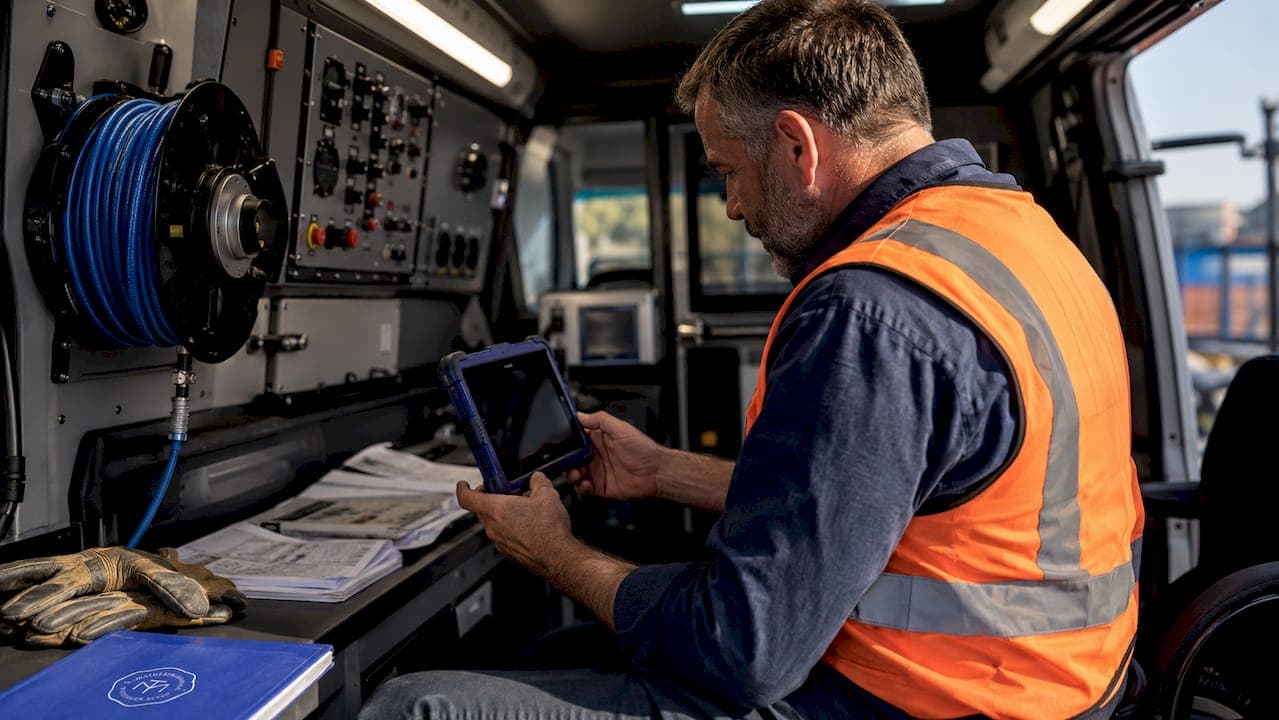
Smart pipe inspection is defined as an advanced diagnostic method that uses integrated sensors, real-time data transmission, and AI-driven analysis to assess pipeline condition internally without excavation. The industry standard term for this technology is inline inspection, though "smart pipe inspection" accurately describes the full suite of modern capabilities now available. The features of smart pipe inspection have reshaped how homeowners, municipalities, and utility managers approach sewer maintenance. Where traditional camera runs produced raw video requiring hours of manual review, today's systems deliver real-time condition data with 3D mapping, AI defect classification, and predictive life estimates. Understanding these features helps you make faster, smarter decisions about your pipes before small problems become expensive emergencies.
1. What sensors enable smart pipe inspection?
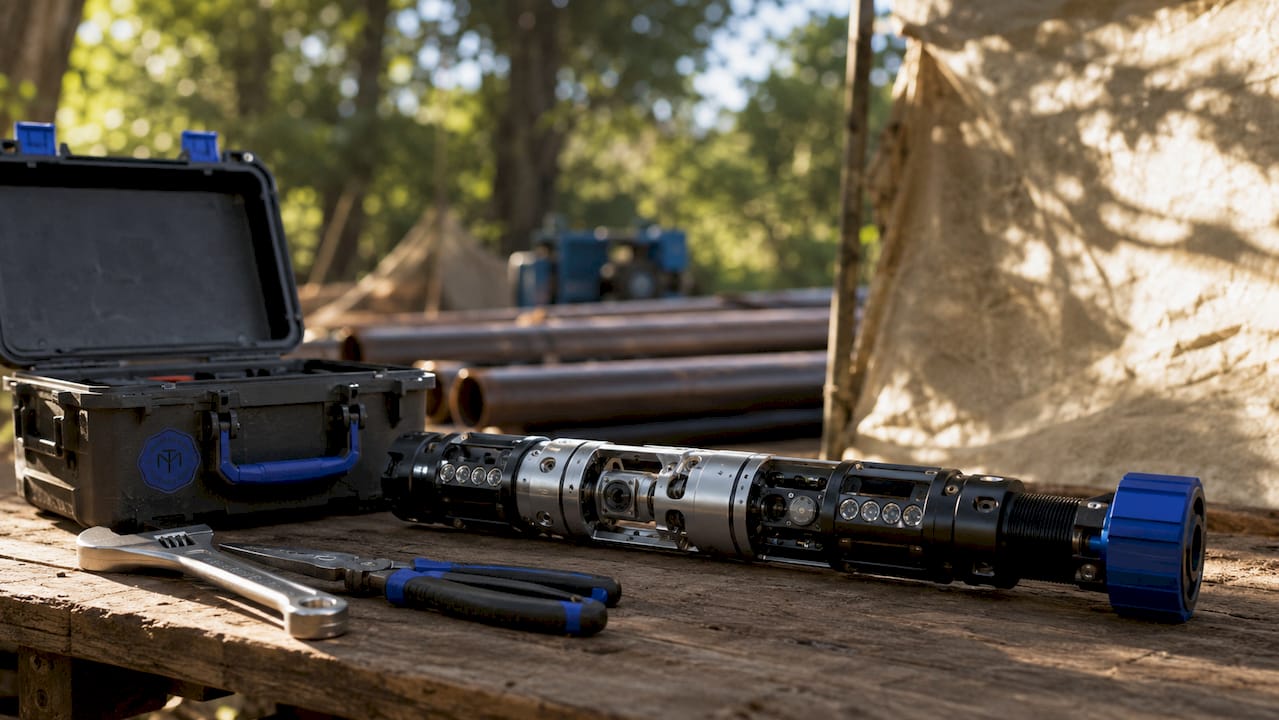
Sensor fusion is the foundation of modern inline inspection technology. A single inspection run can combine multiple sensing methods to build a complete picture of your pipe's condition.
The core sensor types used in smart pipe inspection technology include:
- Ultrasonic sensors measure wall thickness and detect corrosion from the inside, without cutting into the pipe.
- Magnetic flux leakage (MFL) identifies metal loss and pitting in steel and cast iron pipes by passing a magnetic field through the pipe wall.
- Inertial measurement units (IMUs) track the tool's exact position in three dimensions, producing accurate 3D geometry maps of bends, sags, and deformations.
- Fiber optic sensors monitor strain and temperature continuously along the pipe length, flagging leaks and ground movement in real time.
Sensor fusion combining ultrasound with IMUs is critical for producing data that accounts for each material's unique acoustic properties and pipe geometry. Running all sensors in one pass saves time and reduces the number of service interruptions your system experiences.
Pro Tip: Ask your inspection provider which sensor types are active during your run. A single-sensor camera inspection misses corrosion and geometry defects that only ultrasonic or IMU tools can catch.
2. How AI and machine learning improve defect detection
AI transforms raw inspection footage into organized, prioritized repair lists. Without it, a technician reviewing hours of sewer video faces fatigue and inconsistency. With it, defects are flagged, classified, and scored automatically.
Robotic inspection systems using the YOLOv8–LSTM model achieve 97.9% accuracy in real-time defect detection, with a mean absolute error of just 0.00581 in navigation. That level of accuracy means fewer missed cracks and fewer false alarms. The model also handles curved pipes and complex geometries that trip up older detection algorithms.
AI tools like AiDetect combine automation with human expert validation, delivering 97% defect detection accuracy while reducing reviewer fatigue on large inspection volumes. Human oversight remains part of the workflow, which keeps results defensible for asset management decisions.
Integrating AI into pipe inspection review workflows cuts data review time by at least 50% while maintaining 97% defect detection accuracy. That speed gain means utilities can clear inspection backlogs and shift resources toward actual repairs instead of data processing.
The practical result for you is faster turnaround. A sewer inspection that once took days to review can produce a prioritized defect report within hours. That speed matters when you are deciding whether to schedule a repair before winter or after.
3. Robotic platforms and wireless capabilities
The physical inspection tool is as important as the software analyzing its data. Modern robotic platforms carry sensor payloads through pipes that no human can safely enter.
- 360-degree video capture gives technicians a complete view of the pipe interior, including the crown and invert, in a single pass.
- Wireless transmission lets operators monitor live video and sensor feeds from above ground. Wireless pipeline robots support ranges up to 25 meters with video latency under 2 seconds.
- Modular chassis designs allow the same platform to inspect pipes of different diameters by swapping wheel sets or skids at the job site.
- Rapid deployment reduces setup time significantly. Modern small-diameter platforms deploy in 10–15 minutes, cutting labor hours and reducing the time your system is out of service.
- Battery-managed operation keeps robots running for approximately 45 minutes per charge, which covers most residential and short municipal runs without interruption.
Pro Tip: For longer runs or larger municipal mains, ask whether the platform supports tethered power or hot-swap battery packs. A 45-minute battery limit can become a constraint on runs exceeding 500 feet.
Robotic platforms also reduce safety risks. Technicians stay above ground while the robot handles confined-space hazards like low oxygen, toxic gases, and unstable pipe walls.
4. Real-time data collection and 3D mapping
Real-time data collection separates modern inline inspection from legacy camera work. Legacy systems recorded video for later review. Current systems transmit condition data live and build a 3D model of the pipe as the tool moves through it.
Advanced pipeline inspection technology supports inspection runs up to 28.8 km with continuous 3D mapping and remaining-life estimations. That range means a single mobilization can cover an entire neighborhood sewer lateral network. The 3D map produced shows every sag, offset joint, and deformation with precise XYZ coordinates, so repair crews know exactly where to dig if excavation becomes necessary.
Remaining-life estimation is the feature that changes how you plan maintenance budgets. Instead of replacing pipes on a fixed schedule, you replace them when the data says they are approaching failure. That shift from calendar-based to condition-based planning saves money over the long term.
5. Operational benefits of smart inspection systems
The advantages of smart inspection systems go beyond better data. They change the economics and logistics of pipeline maintenance entirely.
Key operational benefits include:
- No service interruption. Inline inspection provides comprehensive condition data while minimizing operational disruption, so your water or sewer service stays on during the inspection.
- Long-run coverage. A single inspection run can cover up to 28.8 km, reducing the number of access points needed and the total cost per foot inspected.
- Multi-material assessment. Inline inspections detect failure mechanisms across concrete, metallic, and plastic pipelines simultaneously, including corrosion, ovality, joint movement, and material degradation.
- Targeted repair planning. Precise XYZ position data lets repair teams go directly to the defect location, eliminating guesswork and unnecessary excavation.
- GIS integration. Condition data feeds directly into geographic information systems and asset management platforms, supporting capital investment decisions across entire pipeline networks.
The cost argument for smart inspection is straightforward. Eliminating unnecessary excavation, reducing labor review time by 50%, and extending asset life through condition-based replacement all reduce total maintenance spending.
6. GIS integration and data management
Raw inspection video has limited value on its own. The true value of smart inspection lies in standardized data integration with GIS and cloud-based processing that transforms video into strategic planning tools.
Modern inspection platforms export condition data in formats compatible with GIS platforms and enterprise asset management systems. Every defect gets a geographic coordinate, a severity score, and a defect code. Asset managers can then filter by severity, material type, or pipe age to build a prioritized repair schedule.
NASSCO-certified defect coding is the standard that makes this data defensible and comparable across inspection runs. NASSCO-certified coding produces organized, structured data instead of unstructured notes or inconsistent terminology. Without it, data from different inspection runs cannot be compared reliably, which undermines long-term planning.
Small-diameter sewer inspection platforms that meet this standard allow utilities to inspect approximately 5,000 feet per day with full GIS integration and standardized condition records. That throughput makes city-wide sewer assessments practical within a single budget cycle.
7. Material-specific features for different pipe types
Not every pipe responds to the same inspection approach. Smart inspection systems adapt their sensing methods to the material being assessed.
- Concrete pipes require inspection for joint movement, cracking, and surface leaching. Optical cameras combined with laser profiling detect ovality and structural deformation that ultrasonic tools alone may miss.
- Metallic pipes (cast iron, ductile iron, steel) benefit most from MFL sensors and ultrasonic wall-thickness measurement to catch internal corrosion before it causes a failure.
- Plastic pipes (PVC, HDPE) are inspected primarily for joint separation, root intrusion, and deformation. Optical and laser tools work well here since plastic does not corrode in the same way metal does.
- Asbestos cement pipes need careful assessment for leaching and structural integrity. Ultrasonic sensing combined with visual inspection identifies degradation that signals replacement priority.
Combined inspection and cleaning workflows add further value. Running a hydro jetting pass before the inspection tool removes debris that would otherwise obscure defects. Clean pipe walls produce cleaner sensor readings and more accurate defect classifications.
The material-specific approach also applies to use case. Sanitary sewer systems prioritize root intrusion, joint offsets, and infiltration. Stormwater systems focus on sediment buildup, structural deformation, and outfall condition. Pressurized water mains require leak detection and wall-thickness monitoring as primary outputs.
Key Takeaways
Smart pipe inspection delivers the most value when sensor fusion, AI defect classification, and NASSCO-coded data work together within a single inspection program.
| Point | Details |
|---|---|
| Sensor fusion drives accuracy | Combining ultrasonic, MFL, and IMU sensors in one run catches defects that single-sensor tools miss. |
| AI cuts review time in half | AI-assisted review reduces data processing time by at least 50% while maintaining 97% detection accuracy. |
| Rapid deployment saves money | Modern platforms deploy in 10–15 minutes, reducing labor costs and service downtime on every job. |
| NASSCO coding makes data usable | Standardized defect coding produces structured records that support long-term asset planning and GIS integration. |
| Condition-based planning replaces guesswork | Remaining-life estimates let you replace pipes when data says they need it, not on a fixed calendar schedule. |
Why I think most pipe owners underestimate what inspection data can do
Most homeowners and even some facility managers treat a pipe inspection like a one-time diagnostic. They get a report, fix the obvious problem, and file the video away. That approach wastes most of the value these systems produce.
The shift that matters is from reactive to proactive. When you have 3D geometry data, defect severity scores, and remaining-life estimates for your entire sewer lateral, you are no longer reacting to backups and collapses. You are scheduling repairs on your terms, at lower cost, before the emergency happens. I have seen properties where a single inspection run identified three separate issues that would have each caused a separate emergency call within two years. Addressing all three in one planned repair cost a fraction of what three emergency responses would have.
The other thing I would push back on is the idea that smart inspection is only for large utilities. Small-diameter platforms now deploy in under 15 minutes and cover non-invasive pipe repair decisions just as effectively for a single-family home as for a municipal main. The technology has scaled down to where residential use is practical and cost-effective. If your pipes are more than 20 years old and you have never had a camera inspection, you are making maintenance decisions without the data you need.
— John
Trenchlessmaine's inspection-driven approach to pipe repair
Trenchlessmaine uses camera inspection diagnostics as the starting point for every repair recommendation. That means you get a repair plan based on what your pipes actually need, not a one-size-fits-all solution.
When inspection data shows structural damage or root intrusion, Trenchlessmaine's CIPP pipe lining service restores the pipe from the inside without digging up your yard. When buildup or blockage is the primary finding, hydro jetting clears the line completely before any lining work begins. Both services are backed by warranties up to 50 years and can typically be completed within 24 hours. Serving most of Maine's cities, Trenchlessmaine brings over 50 years of combined expertise to every inspection and repair. Contact Trenchlessmaine to schedule a camera inspection and get a condition-based repair plan for your pipes.
FAQ
What is smart pipe inspection?
Smart pipe inspection is an inline diagnostic method that uses sensor fusion, real-time data transmission, and AI analysis to assess pipeline condition without excavation. The industry standard term is inline inspection.
How accurate is AI defect detection in pipe inspections?
AI-assisted inspection systems achieve up to 97.9% accuracy in real-time defect detection. Tools combining automation with human expert validation consistently deliver 97% accuracy across large inspection volumes.
Can smart inspection work on all pipe materials?
Smart inspection adapts to concrete, metallic, plastic, and asbestos cement pipes by using material-specific sensing methods. Ultrasonic sensors suit metal pipes, while optical and laser tools work best for plastic and concrete.
How long does a smart pipe inspection take to deploy?
Modern small-diameter inspection platforms deploy in 10–15 minutes. Wireless robotic systems operate for approximately 45 minutes per charge, covering most residential and short municipal runs in a single session.
What is NASSCO coding and why does it matter?
NASSCO is the National Association of Sewer Service Companies, and its defect coding standard organizes inspection findings into structured, comparable records. Without NASSCO coding, data from different inspection runs cannot be reliably compared for long-term asset planning.