
Pipe cleaning, in professional plumbing practice, is defined as the systematic removal of blockages, buildup, and debris from drain and sewer lines using mechanical, hydraulic, chemical, or enzymatic methods. With pipe cleaning techniques explored across all four categories, the right choice depends on your pipe material, blockage type, and environmental priorities. Tools like drain augers, hydro-jetters, and CCTV inspection cameras each play a distinct role in a thorough maintenance plan. Trenchlessmaine works with Maine homeowners and property managers every day who face slow drains, root intrusion, and grease buildup, and the single biggest mistake they make is skipping inspection before cleaning.
1. Mechanical pipe cleaning: how cable augers and rooters work
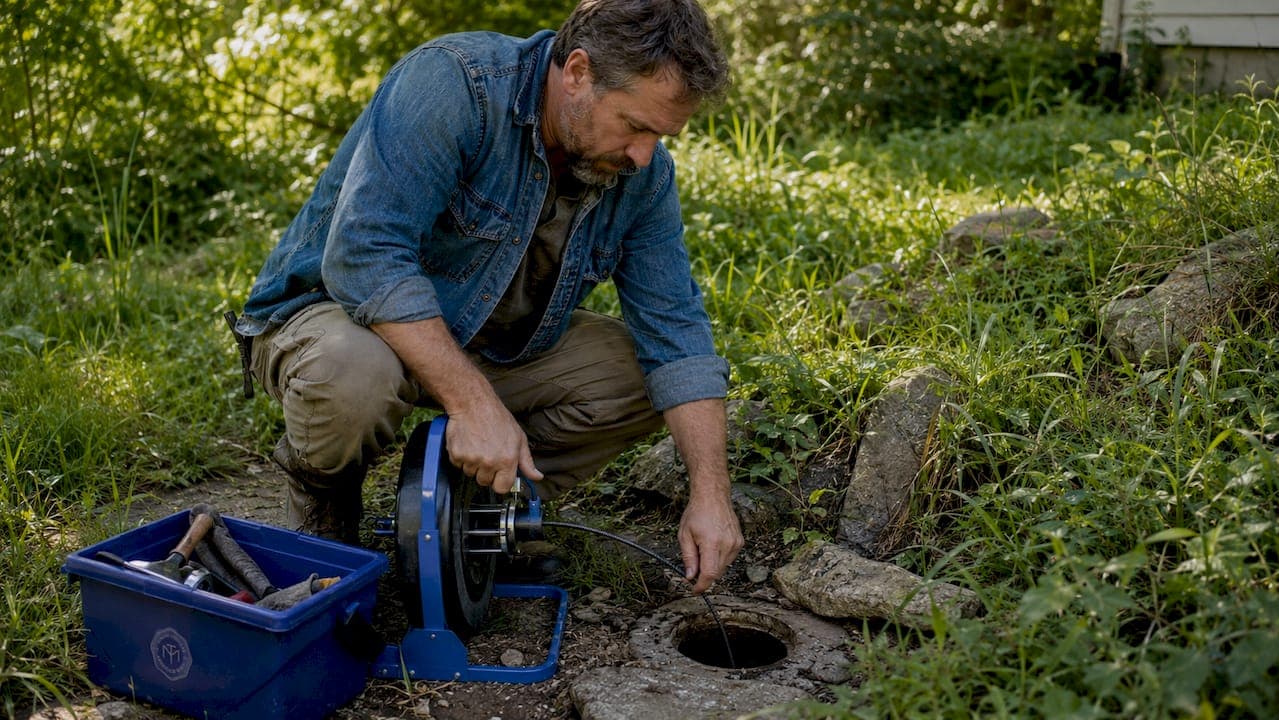
Mechanical cleaning uses cable or auger machines to physically cut through roots and scrape grease from pipe walls, targeting obstructions directly without chemicals. A drain snake, also called a cable auger, feeds a rotating steel cable into the pipe until it contacts the clog. A rooter machine works the same way but with larger, more aggressive cutting heads designed for main sewer lines.
Mechanical methods are most effective against:
- Root intrusion in sewer laterals, where cutting heads slice through fibrous root masses
- Compacted grease deposits that have hardened on pipe walls over months
- Solid debris like rags, wipes, or foreign objects lodged in the line
- Localized blockages in a single section of pipe rather than distributed buildup
The limitation is reach. A cable auger punches through a clog but does not clean the full pipe circumference. Grease and scale remain on the walls after the cable passes, which means the blockage often returns within weeks. Mechanical methods work best as a first-response tool for acute clogs, not as a long-term maintenance solution.
Pro Tip: Use mechanical cleaning first when you have a confirmed solid blockage or root intrusion. Follow it immediately with hydro-jetting to flush debris and scour the pipe walls clean, preventing rapid recurrence.
2. How hydro-jetting works and why it is the most eco-friendly option
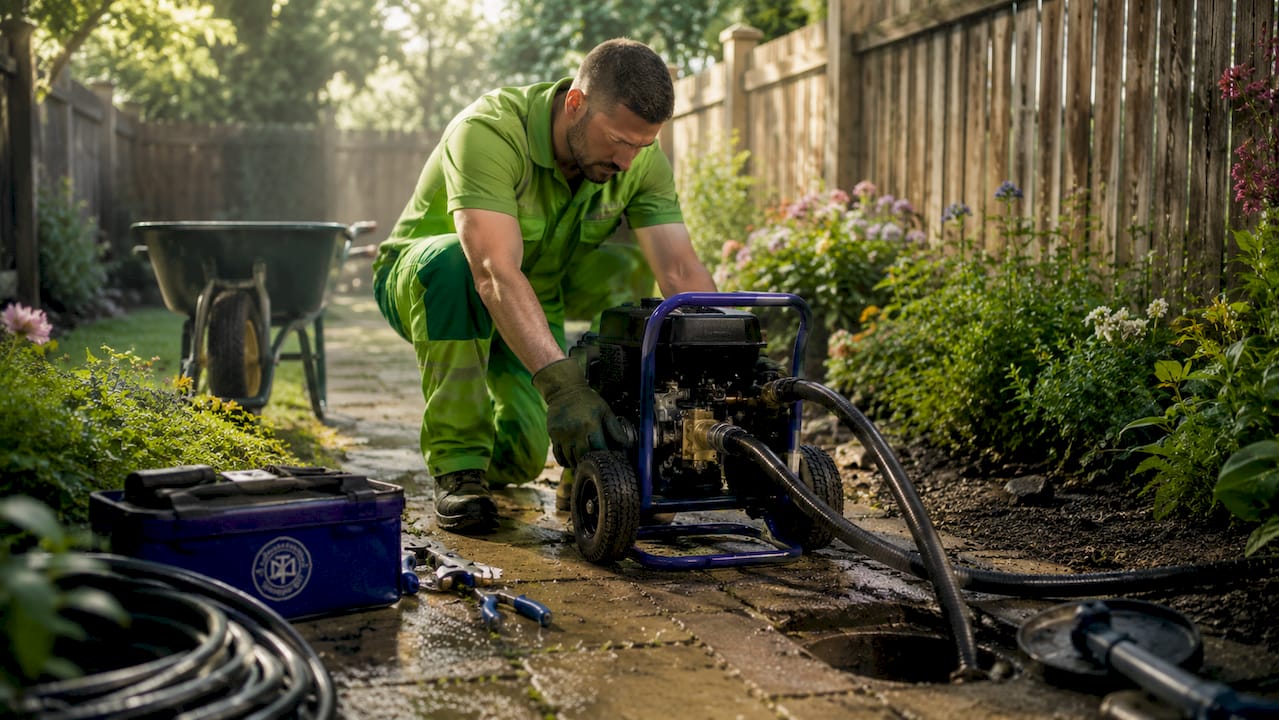
Hydro-jetting is the most thorough pipe cleaning method available to residential and commercial property owners, using high-pressure water between 1,500 and 4,000 PSI to scour the entire interior pipe surface. Unlike a cable snake, which only punches a hole through a clog, a hydro-jet nozzle sprays water in all directions simultaneously. This cleans grease, oils, hair, mineral scale, and even tree roots from the full circumference of the pipe. The result is a pipe that is restored close to its original interior diameter.
The environmental case for hydro-jetting is straightforward: it uses only water. No caustic chemicals enter your drain system or the municipal sewer network. For homeowners in Maine who are conscious of groundwater quality and local waterways, this matters. Professional hydro-jetting at up to 4,000 PSI also outperforms snaking in longevity, delivering results that last significantly longer than mechanical clearing alone.
One safety consideration applies to older pipes. Cast iron and clay pipes that are already cracked or deformed can be damaged by excessive pressure. Experienced technicians adjust PSI settings based on pipe age, material, and debris type to protect plumbing integrity while maximizing cleaning performance. This is why inspection before jetting is non-negotiable.
| Feature | Hydro-jetting | Mechanical snaking |
|---|---|---|
| Cleans full pipe circumference | Yes | No |
| Removes grease and scale | Yes | Partially |
| Chemical-free | Yes | Yes |
| Safe for older pipes without inspection | No | Generally yes |
| Long-lasting results | Yes | Short-term |
| Effective against root intrusion | Yes (with cutting nozzle) | Yes |
Pro Tip: For commercial kitchens managing FOG (fats, oils, and grease) buildup, combine grease trap pumping with regular hydro-jetting. The trap removes FOG at the source; jetting clears downstream deposits before they cause sewer overflows.
3. What role chemical and enzymatic cleaners play in pipe maintenance
Chemical drain cleaners fall into three categories: oxidizers, caustics, and acids. Each works through a different mechanism, and understanding the difference helps you avoid damaging your pipes or creating a safety hazard. Enzymatic cleaners act slowly and are better suited for ongoing maintenance than for clearing an active blockage.
Here is how each type compares:
Oxidizing cleaners (bleach-based, peroxide-based):
- Release oxygen to break down organic material
- Effective on hair and soap scum
- Safer for pipes than acids or caustics
- Not effective against grease or root intrusion
Caustic cleaners (lye, sodium hydroxide):
- Generate heat to dissolve grease and organic matter
- Fast-acting on soft clogs
- Can damage PVC pipes with repeated use
- Hazardous fumes require ventilation
Acid cleaners (sulfuric acid, hydrochloric acid):
- Most aggressive option, dissolving nearly any organic material
- Restricted to professional use in most states
- Serious risk of pipe corrosion and chemical burns
Enzymatic and biological cleaners:
- Use live bacteria or enzymes to digest organic material over days or weeks
- Reduce reliance on harsh chemicals by slowly breaking down buildup
- Ideal for monthly maintenance dosing in kitchen and bathroom drains
- No effect on mineral scale, roots, or solid debris
The honest assessment of chemical cleaners is that they are a short-term fix for most homeowners. They do not clean pipe walls the way hydro-jetting does, and repeated caustic use can soften PVC or accelerate corrosion in older metal pipes. Enzymatic products are the exception. Used consistently as a preventive measure, they reduce the frequency of professional cleaning calls.
4. How inspection technologies improve pipe cleaning outcomes
Professional drain cleaning begins with CCTV or video inspection to identify the cause and condition of the pipe before any cleaning method is applied. This single step eliminates guesswork and prevents the wrong tool from being used on the wrong problem. A grease clog and a root intrusion look identical from the drain opening but require completely different responses.
Here is how a proper inspection-assisted cleaning workflow operates:
- Insert the camera. A flexible push rod or crawler camera travels through the pipe, transmitting live video to a monitor above ground.
- Identify the blockage type. The technician confirms whether the obstruction is root mass, grease, collapsed pipe, or foreign debris.
- Assess pipe condition. Cracks, deformation, joint separation, and corrosion are documented before any pressure is applied.
- Select the cleaning method. Inspection findings directly determine whether mechanical, hydro-jetting, or a combination approach is appropriate.
- Clean and re-inspect. After cleaning, the camera runs again to verify the pipe is clear and undamaged.
Video inspection tools have evolved to include flexible push rod cameras for small residential lines and motorized crawler cameras for larger municipal pipes. For homeowners and property managers, the documentation benefit is significant. You receive a recorded video of your pipe's condition before and after cleaning, which serves as proof of work and a baseline for future maintenance planning. Learn more about what this process looks like in practice with Trenchlessmaine's sewer camera inspection guide.
Camera inspections now shift industry standards toward inspection-driven cleaning, allowing contractors to show homeowners the exact pipe conditions requiring attention rather than relying on verbal descriptions alone.
5. How to choose the right cleaning method for your situation
Choosing the right pipe cleaning method requires balancing thoroughness against pipe preservation, which makes inspection critical before any aggressive cleaning begins. The table below maps common blockage scenarios to the most appropriate method.
| Blockage type | Best method | Eco-friendly? | Suitable for older pipes? |
|---|---|---|---|
| Root intrusion | Mechanical + hydro-jetting | Yes | With inspection first |
| Grease and FOG buildup | Hydro-jetting | Yes | With pressure adjustment |
| Mineral scale and calcification | Hydro-jetting or acid (professional) | Partial | No for acid |
| Organic material (hair, soap) | Enzymatic or oxidizing cleaner | Yes | Yes |
| Solid foreign debris | Mechanical (auger) | Yes | Yes |
| Distributed buildup (maintenance) | Enzymatic cleaner + annual jetting | Yes | Yes |
Older plumbing materials, specifically clay tile, cast iron, and Orangeburg pipe, require lower jetting pressure and gentler mechanical tools. PVC and ABS pipes installed after 1980 tolerate higher pressure without risk. If your home was built before 1970, assume your sewer lateral needs inspection before any cleaning method is applied.
For property managers overseeing multiple units, a scheduled maintenance program combining annual hydro-jetting with quarterly enzymatic dosing reduces emergency call-outs significantly. Trenchlessmaine's sewer line maintenance guide outlines a practical schedule for residential and commercial properties in Maine.
Pro Tip: Always request before-and-after CCTV footage from your cleaning contractor. This verifies the cleaning was effective and distinguishes a true remediation from a temporary fix that will fail again within months.
Key takeaways
Effective pipe cleaning combines the right method with pre-cleaning inspection, matching mechanical force, hydro-jetting, or enzymatic maintenance to the specific blockage type and pipe condition.
| Point | Details |
|---|---|
| Inspection before cleaning | CCTV inspection identifies blockage type and pipe condition, preventing wrong-method damage. |
| Hydro-jetting is most thorough | 1,500 to 4,000 PSI water cleans the full pipe circumference without chemicals. |
| Enzymatic cleaners for maintenance | Monthly enzymatic dosing reduces buildup between professional cleaning visits. |
| Older pipes need lower pressure | Clay, cast iron, and Orangeburg pipes require pressure adjustment before jetting. |
| Documentation protects homeowners | Before-and-after video footage confirms cleaning effectiveness and guides future decisions. |
What I've learned from years of watching homeowners get this wrong
The most common mistake I see is homeowners reaching for a bottle of caustic drain cleaner the moment a drain slows down. It feels like a solution because the drain clears temporarily. But caustic cleaners do not remove the grease film coating the pipe walls. They dissolve just enough of the clog to restore flow, and within four to six weeks, the same drain is slow again.
The second mistake is skipping inspection entirely. I have seen hydro-jetting applied to a pipe with a hairline crack, and the pressure turned a minor defect into a full collapse. That repair cost far more than the inspection would have. The video pipe inspection process is not an upsell. It is the step that makes every other decision defensible.
My honest recommendation for any homeowner in Maine is this: schedule a camera inspection every two to three years, follow it with hydro-jetting if buildup is present, and use enzymatic maintenance dosing monthly in kitchen drains. You will spend less over a decade than you will on a single emergency sewer repair. Reducing chemical use is not just better for the environment. It is better for your pipes and your wallet. You can also check HVAC drain line maintenance practices as a complementary step for whole-home drain health.
— John
Professional pipe cleaning services from Trenchlessmaine
If your drains are slow, your sewer line is backing up, or you simply want to know what is happening inside your pipes, Trenchlessmaine provides the full range of inspection and cleaning services Maine homeowners need.
Trenchlessmaine's hydro-jetting service uses professional-grade equipment calibrated to your pipe material, clearing grease, roots, and scale without chemicals or excavation. Every cleaning job is paired with a sewer camera inspection so you see exactly what was found and what was fixed. For homeowners and property managers who want a long-term plan rather than a repeat service call, explore Trenchlessmaine's full trenchless technology options to see how cleaning, inspection, and pipe lining work together.
FAQ
What is the most effective pipe cleaning method?
Hydro-jetting is the most thorough method, using water at 1,500 to 4,000 PSI to clean the full pipe interior without chemicals. For solid blockages or root intrusion, mechanical auger clearing followed by hydro-jetting delivers the longest-lasting results.
How often should I have my pipes professionally cleaned?
Most residential sewer lines benefit from professional cleaning every one to two years, depending on usage and pipe age. Properties with mature trees near the sewer lateral or older clay pipes may need annual service.
Are chemical drain cleaners safe for pipes?
Caustic and acid-based cleaners can damage PVC and corrode older metal pipes with repeated use. Enzymatic cleaners are the safest chemical option for regular maintenance, as they digest organic material without generating heat or corrosive reactions.
Why is camera inspection done before pipe cleaning?
Camera inspection identifies the blockage type and pipe condition before cleaning, preventing the wrong method from being applied to a damaged or fragile pipe. It also provides documentation of the pipe's state before and after service.
Can hydro-jetting damage old pipes?
Yes, if applied without inspection first. Experienced technicians adjust jetting pressure based on pipe material and age, using lower PSI settings for clay, cast iron, and Orangeburg pipe to avoid cracking or joint separation.