
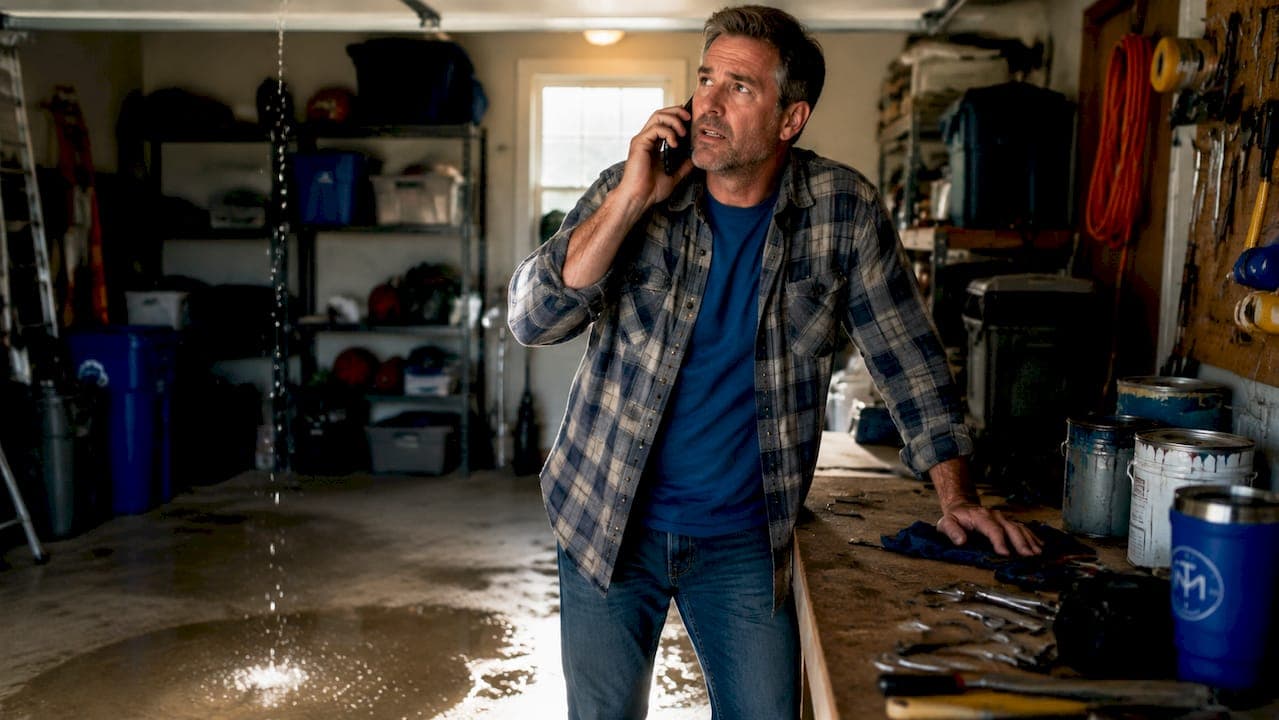
A sewer backup is a same-day emergency. Raw sewage in living spaces requires evacuation, an immediate stop to all water use, and professional help within 30–60 minutes. These emergency sewer response tips cover exactly what to do in that window, what professionals to call, how to protect your finances, and what steps prevent the next crisis. Bacteria and mold colonize surfaces within 24–48 hours of moisture contact. Every minute you wait makes the damage worse and the cleanup more expensive.
1. What immediate steps should you take during a sewer backup emergency?
The first five minutes of a sewer backup determine how much damage you face. Follow these steps in order.
- Stop all water use immediately. Every flush, sink run, or appliance cycle pushes more sewage into your home. Turn off the water supply to the affected fixtures right away.
- Evacuate the affected area. Raw sewage is a Category 3 biohazard, meaning it carries bacteria, viruses, and parasites that cause serious illness. Keep children, pets, and elderly residents out of the space.
- Turn off electricity in flooded zones. Water and live electrical circuits are a lethal combination. Flip the breaker for any room with standing sewage before anyone enters.
- Put on personal protective equipment. If you must enter the area, wear rubber gloves, rubber boots, and an N95 mask at minimum. Avoid touching your face.
- Do not use chemical drain cleaners. Forcing chemicals or water through a backed-up line worsens overflow and can splash contaminated water onto surfaces and skin.
- Call a licensed emergency plumber. Professional emergency services typically respond within 1–4 hours. Have at least two emergency-capable plumbing contacts saved before a crisis hits.
- Call 911 if flooding is uncontrolled. Contact emergency services immediately if sewage is rising fast, electrocution risks exist, or vulnerable residents cannot be safely evacuated.
Pro Tip: Save the contact numbers for a licensed emergency plumber and an IICRC-certified water damage restoration company in your phone before you ever need them. Searching for help while sewage is rising costs you critical time.
2. How to identify warning signs before a full sewer emergency
Sewer backups rarely happen without warning. Gradual symptoms almost always precede a full emergency. Catching them early can reduce your repair costs from thousands to hundreds of dollars.
Watch for these signs across your home:
- Multiple slow drains at once. One slow drain usually means a local clog. Two or more slow drains across different fixtures point to a blockage in the main sewer lateral.
- Gurgling sounds from toilets or drains. That gurgling noise is air trapped by a partial blockage trying to escape. It is one of the earliest and most reliable warning signs.
- Sewage odors inside the home. A persistent sulfur or rotten smell indoors means sewer gases are escaping through your drain system. This is both a health hazard and a structural warning.
- Water rising in unexpected places. If flushing your toilet causes water to bubble up in a nearby tub or sink, your main line is likely blocked.
- Unusually green or lush grass over your sewer line. A strip of thick, dark green grass running across your yard can indicate a leaking sewer lateral acting as an underground fertilizer source.
A video camera inspection by a licensed plumber pinpoints the exact cause and location of a blockage. That precision matters because a minor clog and a collapsed pipe look identical from the surface but require completely different repairs. Check the 5 warning signs you need sewer repair to know when to act before costs spiral.
3. What professional services resolve sewer emergencies fast?
Not every sewer problem needs the same fix. The right repair method depends on what caused the blockage and how severe the damage is.
| Repair Method | Best For | Approximate Cost |
|---|---|---|
| Snaking (cable auger) | Minor clogs, soft blockages | $200–$500 |
| Hydro-jetting | Grease, sludge, root intrusion | $400–$1,400 |
| CIPP pipe lining | Cracked or deteriorated pipes | Varies by length |
| Full pipe replacement | Collapsed or severely damaged lines | $5,000–$25,000+ |
Emergency repair costs vary significantly based on the method and severity. Snaking is the fastest and cheapest option for simple blockages, but it does not clean pipe walls. Hydro-jetting uses up to 4,000 PSI of water pressure to scour grease, sludge, and root intrusion from pipe walls completely. It delivers longer-lasting results and reduces the chance of a repeat backup.
For pipes that are cracked, deformed, or corroded, trenchless methods like CIPP (cured-in-place pipe) lining repair the pipe from the inside without digging up your yard. This approach is faster and far less disruptive than traditional excavation. Learn more about trenchless repair options for major sewer line failures.
Always hire a plumber certified by a recognized trade organization. For cleanup, coordinate both emergency plumbing and IICRC-certified restoration in a single visit or closely timed appointments. Partial cleanups leave behind contamination that causes mold growth within 48 hours.
Pro Tip: Ask your plumber to run a video camera inspection after any repair. It confirms the fix worked and gives you a baseline record of your pipe condition for future reference.
4. How to protect your property and finances during a sewer emergency
A sewer backup can cost you far more than the repair bill if you handle the insurance and documentation steps wrong.
- Check your homeowner's policy for a sewer backup endorsement. Many standard policies exclude sewer damage unless you purchased a specific water or sewer backup rider. Review your policy now, before an emergency occurs.
- Report the incident to your insurer the same day. Late claims are frequently denied. Call your insurance company as soon as the immediate emergency is under control.
- Document everything with photos and video. Photograph all affected rooms, damaged belongings, and visible sewage before any cleanup begins. These images are your primary evidence for a claim.
- Report public sewer issues to your municipality. If the backup originated from a public sewer main, report it to your city or town's public works department immediately. Request a municipal case number for any liability claim. Most municipalities require you to file within 60–90 days.
- Keep all receipts and contractor invoices. Every dollar you spend on emergency plumbing, restoration, and temporary housing is potentially reimbursable. Missing receipts kill claims.
Pro Tip: Create a simple folder on your phone labeled "Sewer Emergency" and drop all photos, receipts, and case numbers there in real time. Organized documentation speeds up claim processing significantly.
5. What preventive steps reduce your risk of future sewer emergencies?
Prevention costs a fraction of emergency repair. These habits protect your sewer system year-round.
- Schedule a professional inspection every 1–2 years. Older Maine homes with clay or cast iron pipes are especially vulnerable to root intrusion and pipe deformation. A camera inspection catches problems before they become emergencies.
- Never flush wipes, even "flushable" ones. Wipes, paper towels, feminine hygiene products, and cotton balls do not break down in sewer lines. They accumulate and create blockages that snaking alone cannot clear.
- Keep grease out of your drains. Cooking grease solidifies inside pipes and traps debris. Pour cooled grease into a container and throw it in the trash.
- Install drain strainers in showers and tubs. Hair and soap scum are leading causes of slow drains. A $5 strainer prevents a $300 service call.
- Manage trees and shrubs near your sewer lateral. Tree roots actively seek moisture and grow into pipe joints. If you have large trees near your sewer line, regular hydro-jetting removes root intrusion before it causes a blockage.
- Consider proactive pipe lining for aging systems. Trenchless pipe renewal adds decades of life to deteriorating pipes without excavation. It is far cheaper than waiting for a collapse. Review sewer repair cost factors to understand what drives pricing before you need urgent work.
- Know where your main sewer cleanout is located. Your cleanout is the access point plumbers use to clear blockages. Knowing its location saves time during an emergency.
Key takeaways
Effective sewer backup response starts in the first 30–60 minutes: stop water use, evacuate, call a licensed emergency plumber, and document everything for your insurance claim.
| Point | Details |
|---|---|
| Act within 30–60 minutes | Stop water use and evacuate immediately to prevent biohazard exposure and mold growth. |
| Know your repair options | Hydro-jetting and CIPP lining resolve most emergencies faster and cheaper than full replacement. |
| Check insurance before emergencies | Standard homeowner policies often exclude sewer damage without a specific backup endorsement. |
| Document and report promptly | Photograph damage, report to your insurer same-day, and get a municipal case number if applicable. |
| Prevent with regular maintenance | Annual inspections and drain hygiene habits eliminate most sewer emergencies before they start. |
What I've learned from watching homeowners handle sewer emergencies
The biggest mistake I see homeowners make is treating a sewer backup like a plumbing inconvenience rather than a health emergency. They grab a mop, try a bottle of drain cleaner, and wait to see if things improve. By the time they call a professional, the contamination has spread to walls, subfloor, and HVAC systems. The repair bill doubles or triples.
The second mistake is calling only a plumber. A plumber fixes the pipe. That is their job and they do it well. But raw sewage leaves behind bacteria and pathogens that a plumber is not trained or equipped to remove. You need an IICRC-certified restoration specialist to properly sanitize the space. Skipping that step is how families end up with mold problems three weeks after the "fixed" backup.
The third mistake is ignoring the early warning signs. Gurgling drains and slow toilets are not minor annoyances. They are your sewer system telling you something is wrong. I have seen homeowners dismiss those signs for months, then face a $15,000 emergency that a $400 hydro-jetting appointment would have prevented.
My honest advice: review your homeowner's insurance policy this week. Add a sewer backup endorsement if you do not have one. Save two emergency contacts in your phone. And if you live in an older Maine home, get a camera inspection done before winter. The ground freezes, roots contract, and aging pipes crack. That inspection is the cheapest insurance you can buy.
— John
How Trenchlessmaine handles sewer emergencies in Maine

When a sewer emergency hits, you need a team that can diagnose and fix the problem fast without tearing up your property. Trenchlessmaine provides emergency sewer line repair across Maine using no-dig repair technology including CIPP pipe lining and high-pressure hydro-jetting. These methods resolve most emergencies within 24 hours and leave your yard intact. Trenchlessmaine brings over 50 years of combined expertise and backs its work with industry-leading warranties. If you are dealing with a backup now or want to prevent one, Trenchlessmaine is ready to help.
FAQ
What counts as a sewer emergency?
Raw sewage entering your living space is a same-day emergency. Call a licensed plumber immediately and evacuate the affected area.
How quickly do emergency plumbers respond?
Most professional emergency plumbing services arrive within 1–4 hours of your call. Having a contact saved before an emergency reduces that response time further.
Does homeowner's insurance cover sewer backups?
Standard homeowner's policies typically exclude sewer damage. Coverage requires a separate water or sewer backup endorsement added to your policy.
Is hydro-jetting better than snaking for sewer blockages?
Hydro-jetting cleans pipe walls thoroughly using up to 4,000 PSI of water pressure, making it more effective than snaking for grease, sludge, and root intrusion.
How do I report a sewer backup caused by a public main?
Contact your city or town's public works department and request a case number. File within 60–90 days to preserve your right to a municipal liability claim.