
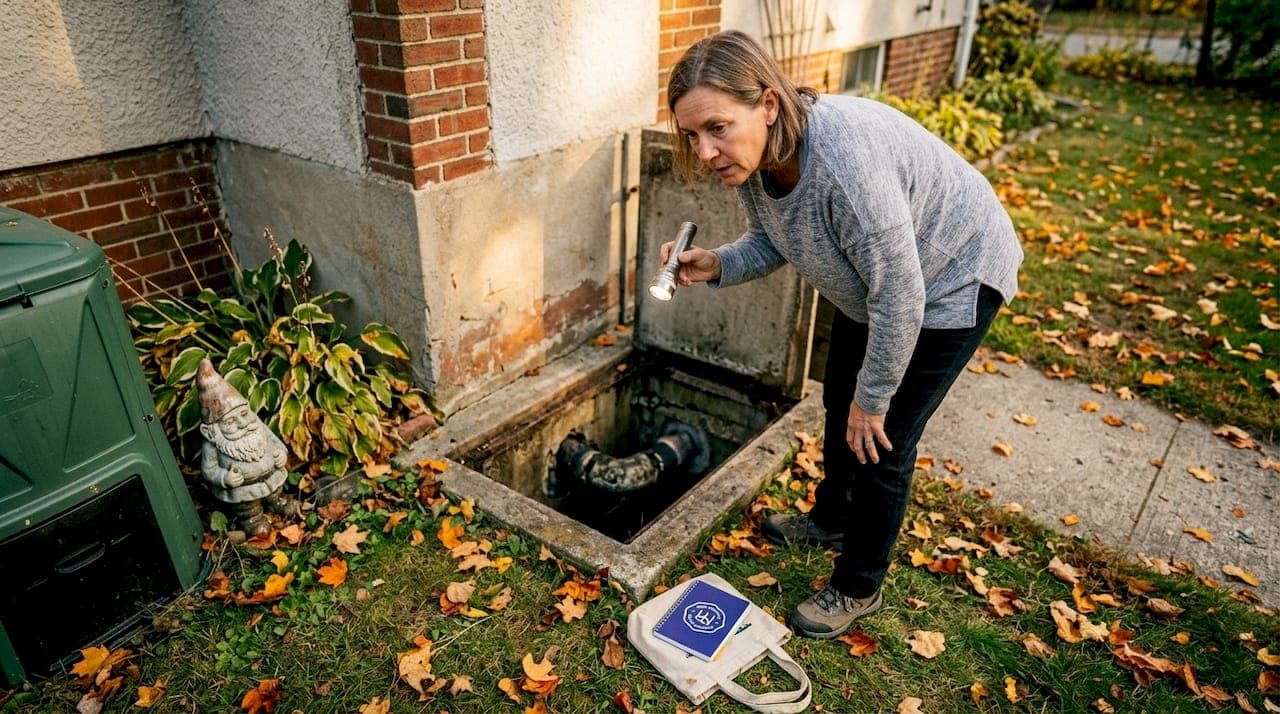
Preventative drain care is the proactive maintenance of drainage systems to keep pipes flowing freely, prevent blockages, and extend the life of your plumbing. Most homeowners only think about their drains when something goes wrong. That reactive approach costs far more than regular upkeep. The role of preventative drain care is straightforward: catch small problems before they become expensive emergencies. Trenchlessmaine has seen this pattern repeatedly across Maine properties, where a simple annual inspection would have prevented a full sewer line replacement. Proper drain system upkeep is not optional maintenance. It is the foundation of a healthy, cost-efficient property.
How does preventative drain care differ from reactive drain cleaning?
Maintenance and reactive cleaning are not the same thing. Maintenance focuses on keeping pipes in a state of steady flow to prevent buildup and collapse. Reactive cleaning addresses blockages only after failure has already occurred. That distinction matters because by the time a drain backs up, damage to pipe joints and interior walls has often already begun.
Reactive unclogging is emergency damage control. A plumber arrives, clears the clog, and leaves. The underlying cause, whether it is grease accumulation, root intrusion, or pipe misalignment, remains untreated. Preventative drainage maintenance, by contrast, targets those root causes before they produce a crisis.
The financial gap between the two approaches is significant. Emergency plumbing situations cost far more than scheduled maintenance and often result in property damage and business interruption on top of the repair bill. Scheduling routine care is not just good practice. It is the cheaper option by a wide margin.
- Reactive cleaning: Addresses an existing blockage after flow has stopped or slowed severely.
- Preventative maintenance: Clears minor buildup, inspects pipe condition, and identifies early warning signs before a blockage forms.
- Pipe lifespan impact: Maintenance preserves pipe integrity over decades. Reactive-only approaches allow gradual deterioration between crises.
Pro Tip: Schedule your first professional drain inspection in the fall, before Maine's freeze-thaw cycles put extra stress on your sewer lateral.
What are the most effective preventative drain care methods?
The most effective drain care combines professional services with consistent homeowner habits. Neither alone is sufficient. A professional can clear buildup you cannot reach, but daily disposal habits determine how fast that buildup returns.
Professional inspection and CCTV surveys
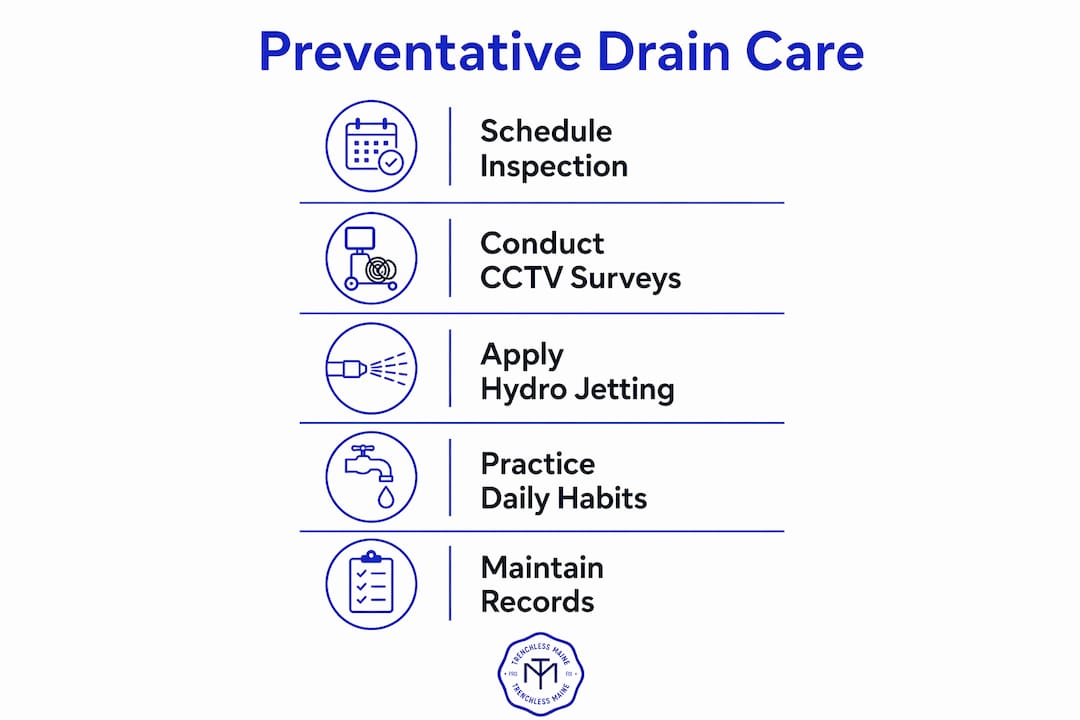
A CCTV sewer inspection is the single most reliable tool for early issue detection. A camera travels through your drain line and reveals pipe sinking, misalignment, root intrusion, and joint separation in real time. Early identification of these issues allows minimal interventions like patch repairs or pipe lining instead of costly full-scale excavation. Annual inspections are the standard recommendation for most residential properties.
Hydro jetting
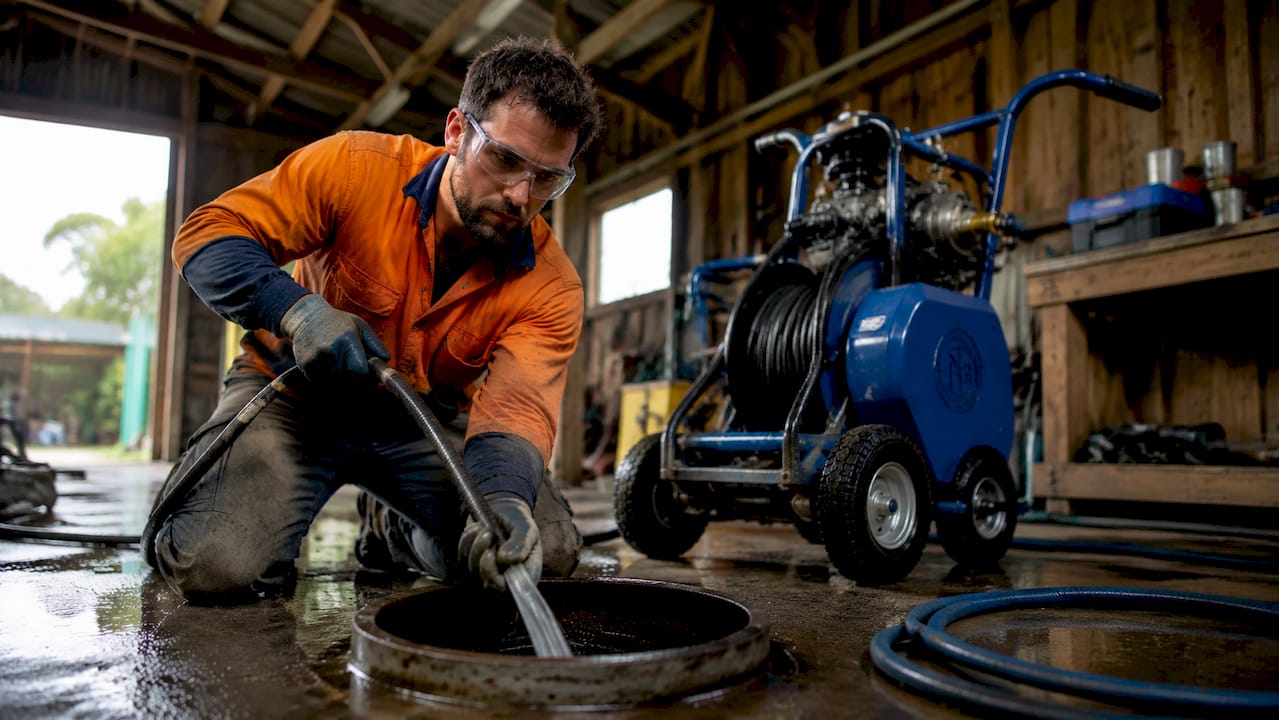
Hydro jetting uses high-pressure water to scour pipe walls clean. It removes grease, mineral scale, and organic debris that standard snaking leaves behind. Regular jetting and clearing small blockages during inspections prevents emergency call-outs and extends drain system lifespan. Hydro jetting is particularly effective in older Maine homes where cast iron or clay pipes have accumulated decades of buildup.
Homeowner daily habits
Proper disposal habits and simple daily drain care routines prevent buildup and complement professional maintenance programs. The basics matter more than most homeowners realize.
- Install mesh strainers in every sink, shower, and tub drain.
- Never pour cooking grease down the kitchen drain.
- Flush drains weekly with hot water to soften minor grease deposits.
- Avoid flushing wipes, cotton balls, or paper towels, even products labeled "flushable."
- Run cold water for 30 seconds after using the garbage disposal.
| Method | Who performs it | Frequency | Primary benefit |
|---|---|---|---|
| CCTV inspection | Professional | Annually | Detects hidden damage early |
| Hydro jetting | Professional | Every 1–2 years | Clears stubborn buildup |
| Drain snaking | Professional or DIY | As needed | Removes accessible clogs |
| Strainer use | Homeowner | Daily | Stops debris at the source |
| Hot water flushing | Homeowner | Weekly | Softens grease deposits |
Why is preventative drain care important for managing costs?
The financial case for preventative plumbing practices is direct. Regular maintenance can reduce total water bills by approximately 10% by restoring optimal flow and reducing pressure-related stress on the system. That saving compounds year over year on a property with multiple fixtures and high water usage.
The bigger savings come from avoiding major repairs. Organic matter buildup creates "sticky traps" on pipe walls that increase internal friction and elevate pressure on pipe joints. Left untreated, that pressure causes joint failures and pipe collapse. Repairing a collapsed sewer line requires excavation, landscaping restoration, and often temporary relocation. Preventing that failure costs a fraction of fixing it.
Structured preventive maintenance programs reduce the frequency of flooding and emergency service calls by maintaining system capacity and structural integrity. For property managers overseeing multiple units, fewer emergency calls means lower operating costs and fewer tenant complaints.
Pro Tip: Keep a simple log of every drain inspection and cleaning. That record helps you spot patterns, like a drain that clogs every eight months, and gives a professional technician useful context before they start work.
Stagnant water from slow or blocked drains also creates health risks. Standing water in drain lines breeds bacteria and attracts pests. Regular drain system upkeep eliminates those conditions before they affect indoor air quality or create liability for property managers.
What practical steps can homeowners take to implement drain care?
A working maintenance plan does not require a large budget. It requires consistency. The steps below apply to both single-family homes and multi-unit properties.
-
Schedule an annual professional inspection. Book a CCTV inspection every year, ideally in late summer or early fall before winter arrives. This gives you a clear picture of pipe condition and time to address any issues before cold weather sets in.
-
Add hydro jetting every one to two years. If your inspection reveals buildup or slow flow, follow up with a professional jetting service. For older properties or those with mature trees near the sewer lateral, annual jetting may be warranted.
-
Install strainers on every drain. This is the lowest-cost, highest-impact daily habit. Clean strainers weekly so they do not become a blockage point themselves.
-
Practice mindful waste disposal. Post a simple list near the kitchen sink and bathroom trash can reminding household members what cannot go down the drain. Grease, coffee grounds, and fibrous food scraps are the most common culprits in kitchen drain failures.
-
Watch for early warning signs. Slow drainage, gurgling sounds after flushing, or a faint sewage odor near floor drains are all signals that something is building up. Address these signs immediately rather than waiting for a full blockage.
-
Build a maintenance calendar and budget. Set annual reminders for inspections and cleanings. Budget for one professional service visit per year as a baseline. That cost is predictable and manageable. Emergency repairs are neither.
You can find additional drain care tips and warning signs on the Trenchlessmaine blog, which covers common issues specific to Maine's climate and pipe types.
Key takeaways
Preventative drain care is the most cost-effective way to protect your plumbing, reduce water bills, and avoid emergency repairs that disrupt your property and budget.
| Point | Details |
|---|---|
| Maintenance vs. reactive cleaning | Maintenance preserves steady flow; reactive cleaning only addresses failures after they occur. |
| Annual CCTV inspections | Camera inspections catch root intrusion, pipe sinking, and misalignment before they require excavation. |
| Water bill savings | Properly maintained drainage can reduce water utility bills by approximately 10%. |
| Hydro jetting frequency | Professional jetting every one to two years removes buildup that daily habits cannot reach. |
| Daily homeowner habits | Strainers, proper disposal, and weekly hot water flushing significantly slow buildup between professional visits. |
What I've learned after years of watching drain problems unfold
Most homeowners I talk to share the same story. They ignored a slow drain for six months, then called for help when the toilet backed up into the bathtub. By that point, the repair was not a cleaning job. It was a pipe replacement.
The misconception I hear most often is that drains only need attention when they stop working. That logic works fine for light switches. It fails completely for underground pipes. Organic debris accumulates invisibly. Root intrusion grows a millimeter at a time. By the time you notice a symptom, the underlying problem has been developing for months or years.
The other mistake I see is homeowners treating a single professional cleaning as a permanent fix. One hydro jetting visit clears what is there today. It does not prevent new buildup from forming next month. Drainage health is an ongoing condition, not a one-time repair.
My honest advice: pair annual professional inspections with consistent daily habits, and you will rarely face a plumbing emergency. The homeowners who follow that routine spend less money on plumbing over a decade than those who call only in a crisis. That is not a theory. It is a pattern I have watched play out on Maine properties for years.
If you are managing a rental property, the stakes are even higher. A blocked sewer line affects every tenant in the building and creates legal exposure. A structured maintenance plan is not just good property management. It is basic risk management.
— John
Trenchlessmaine's approach to keeping your drains healthy
Trenchlessmaine specializes in the exact services that make preventative drain care work: CCTV sewer inspections, professional hydro jetting, and no-dig pipe repair solutions when early detection reveals a problem that needs fixing. With over 50 years of combined expertise serving residential, commercial, and municipal clients across Maine, the team knows how to catch issues early and resolve them without tearing up your yard.

When an inspection does reveal damage, Trenchlessmaine's trenchless repair methods, including CIPP lining and pipe patching, fix the problem with minimal disruption and warranties up to 50 years. You get a lasting solution without the cost and mess of excavation. Contact Trenchlessmaine to schedule an inspection and build a drain clearing plan that fits your property and budget.
FAQ
What is preventative drain care?
Preventative drain care is the routine maintenance of drainage systems to keep pipes clear, detect early damage, and prevent blockages before they occur. It includes professional inspections, hydro jetting, and consistent homeowner habits like strainer use and proper waste disposal.
How often should drains be professionally inspected?
Annual inspections are the standard recommendation for most residential properties. Older homes or properties with large trees near the sewer lateral may benefit from more frequent checks.
Can preventative maintenance actually lower my water bill?
Yes. Properly maintained drainage restores optimal flow and reduces pressure on the system, which can cut water utility bills by approximately 10%.
What are the early signs that my drains need attention?
Slow drainage, gurgling sounds after flushing, and faint sewage odors near floor drains all indicate early-stage buildup or pipe issues. Addressing these signs promptly prevents a full blockage.
Is hydro jetting safe for older pipes?
A professional drain inspection should assess pipe condition before jetting is performed on older systems. In most cases, hydro jetting is safe and far less damaging to aging pipes than a blockage left untreated.