
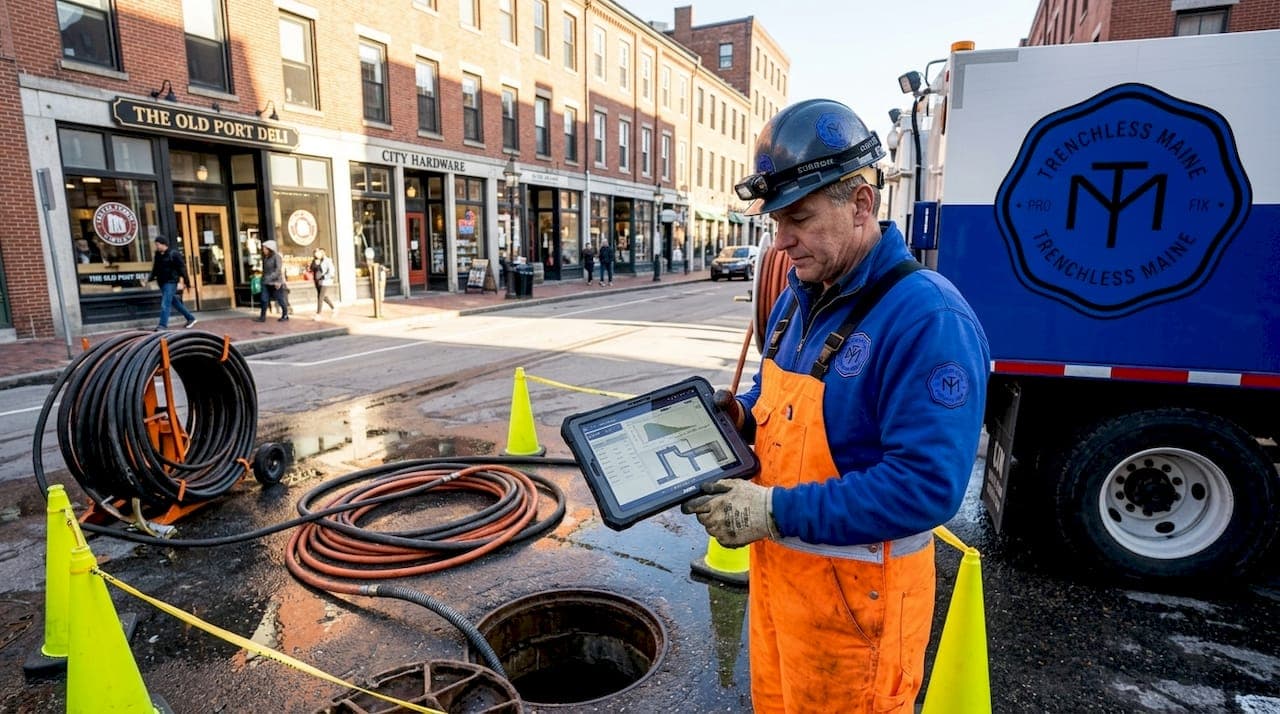
Effective sewer restoration for businesses is defined as the professional process of containing, removing, sanitizing, and documenting sewage damage to restore safe and compliant operations. A sewer backup at your facility is not a maintenance inconvenience. It is a Category 3 biohazard event under the IICRC S500 standard, meaning the contaminated water carries pathogens that require the most aggressive remediation approach available. The best sewer restoration tips for businesses combine rapid professional response with preventive protocols like grease trap management, CCTV camera inspections, and hydro jetting to cut downtime and protect your team, your property, and your compliance record.
1. Understand why professional response is non-negotiable
Category 3 sewage contamination is classified as hazardous water containing bacteria, viruses, and other pathogens. This is not a situation where a mop and a bottle of bleach will satisfy health codes or insurance requirements. Businesses that attempt DIY cleanup face incomplete sanitization, pathogen exposure for staff, and a high risk of mold growth within 24 to 48 hours.
A certified restoration contractor follows a defined sequence that protects your business and creates a defensible paper trail:
- Assessment: A technician uses a sewer camera or moisture meters to map the full extent of contamination before touching anything.
- Containment: Affected zones are sealed with physical barriers and negative air pressure to prevent cross-contamination.
- Removal: Porous materials like drywall, carpet, and insulation that absorbed Category 3 water must be removed entirely, not dried in place.
- Sanitation: Surfaces are treated with EPA-registered antimicrobials at the correct dwell time.
- Drying and documentation: Industrial drying equipment runs until moisture readings return to baseline, and every step is photographed and logged.
Pro Tip: Request a written scope of work and photo documentation from your restoration contractor before work begins. This protects your insurance claim and proves regulatory compliance if you face a health inspection.
DIY sewage cleanup creates liability your business cannot afford. Full PPE including respirators, Tyvek suits, and nitrile gloves is mandatory for Category 3 work, and even then, only trained technicians should handle the extraction and sanitation phases.
2. Follow the 25% rule for grease trap maintenance
The 25% fill rule is the industry standard for grease trap pump-out scheduling: clean your trap when the combined layer of fats, oils, grease (FOG), and solids reaches 25% of the total liquid depth. Scheduling pump-outs on a fixed calendar, say every 90 days regardless of actual fill level, leads to either unnecessary service costs or dangerous overflows. The 25% threshold is the only reliable trigger.
Exceeding this threshold causes FOG to escape into the sewer lateral, where it cools, hardens, and builds up into blockages that back up into your kitchen floor drains. The consequences extend beyond a messy cleanup. Municipal inspectors can issue fines, require immediate remediation, or shut down your food service operation.
A practical grease trap compliance program for commercial kitchens includes:
- Inspect the trap weekly and record the FOG and solids depth in a maintenance log.
- Schedule a licensed grease hauler when the 25% threshold is reached, not before and not after.
- Train kitchen staff to scrape plates and pans into the trash before rinsing, which is the single most effective way to reduce FOG load.
- Install fine-mesh strainers on all prep sinks and floor drains to catch solids before they reach the trap.
- Keep all pump-out manifests on file for at least three years to satisfy municipal inspection requirements.
| Approach | Risk level | Compliance outcome |
|---|---|---|
| Fixed calendar pump-outs | Medium: may miss threshold or over-service | Inconsistent; depends on volume |
| 25% fill rule pump-outs | Low: tied to actual trap condition | Consistent; defensible to inspectors |
| No scheduled maintenance | High: overflow and blockage likely | Fails inspection; potential shutdown |
Pro Tip: A comprehensive grease trap program pairs technical pump-outs with operator training. Staff behavior, specifically scraping and straining, is what slows FOG accumulation between service visits.
3. Use sewer camera inspections before any restoration work
Sewer camera inspections identify blockages, root intrusion, pipe deformation, and structural cracks with precision that no surface-level assessment can match. Running a CCTV camera through your sewer lateral before committing to a repair plan tells you exactly what you are dealing with, where the problem is located, and what method will fix it. This prevents contractors from guessing and billing you for work that does not address the actual failure point.
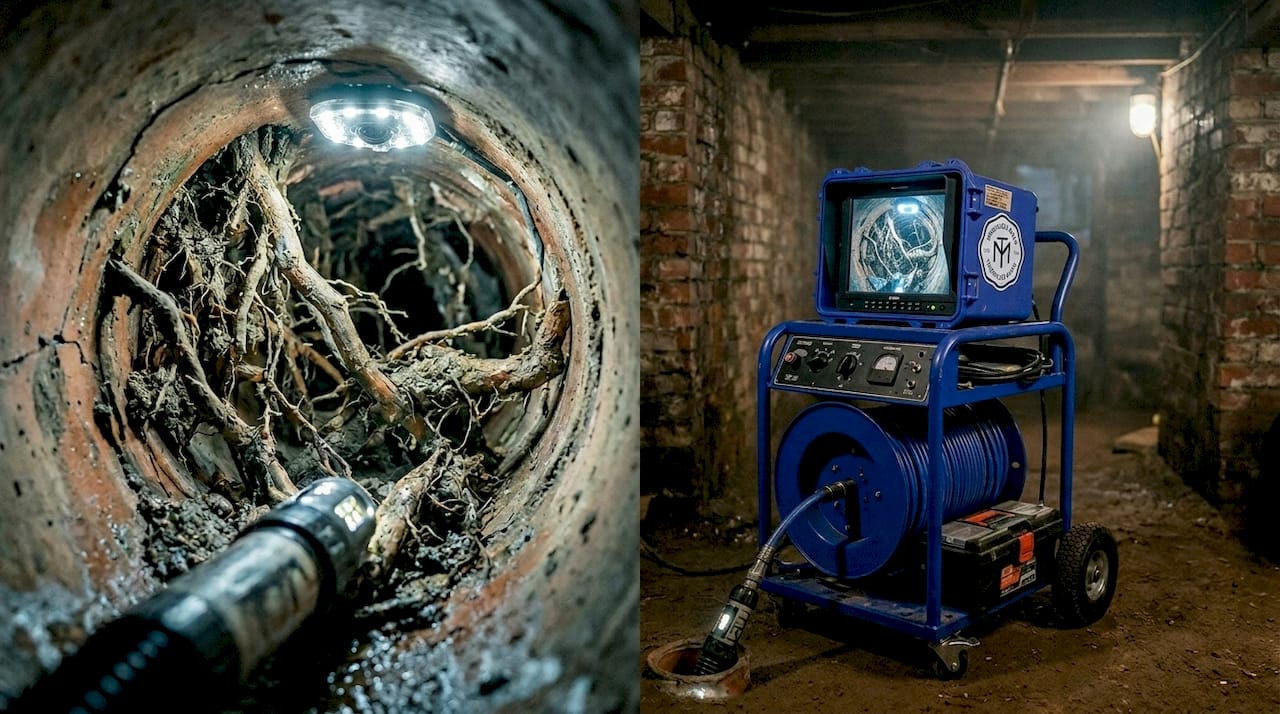
The video footage from a camera inspection serves three purposes beyond diagnosis. It documents pre-existing conditions for insurance claims, provides a baseline for future inspections, and gives you leverage when negotiating repair scope with contractors. Trenchlessmaine offers a dedicated sewer scope inspection service that produces this documentation for commercial clients across Maine.
Camera inspections are especially valuable in older commercial buildings where cast iron or clay tile pipes are common. Root intrusion and joint separation are often invisible from above grade but show up clearly on CCTV footage. Catching these issues early means a targeted repair rather than a full lateral replacement.
4. Apply hydro jetting for thorough commercial drain cleaning
Hydro jetting uses pressurized water at up to 4,000 PSI to scour the interior walls of sewer pipes, removing FOG buildup, mineral scale, biofilm, and debris that mechanical snaking leaves behind. A drain snake breaks through a clog and creates a temporary opening. Hydro jetting removes the material that caused the clog and restores the pipe to near-original flow capacity. For commercial properties with high-volume drain use, the difference in long-term performance is significant.
| Cleaning method | FOG removal | Scale removal | Root cutting | Pipe-safe pressure |
|---|---|---|---|---|
| Mechanical snaking | Partial | No | Yes (small roots) | Yes |
| Hydro jetting | Complete | Yes | Yes | Yes (with inspection first) |
| Chemical drain cleaners | Partial | No | No | Risk of pipe damage |
Hydro jetting is most effective when paired with a camera inspection. The camera identifies the location and nature of the obstruction, and the jetting technician adjusts nozzle type and pressure accordingly. Trenchlessmaine's high-pressure drain cleaning service follows this inspection-first protocol to protect your pipes while delivering a thorough clean.
Simpler blockages in a single fixture drain may not require full hydro jetting. A targeted snake or drain clearing service handles those cases at lower cost. The key is using camera data to match the method to the actual problem rather than defaulting to the most aggressive option every time.
5. Build a daily and weekly drain care routine
Routine drain care combining daily staff tasks, scheduled professional cleaning, and technology like hydro jetting prevents emergencies and extends pipe life. This is the most cost-effective sewer maintenance strategy available to any commercial property. The goal is to keep FOG, solids, and debris from accumulating to the point where they cause a backup or require emergency intervention.
A practical daily and weekly routine for facility managers looks like this:
- Daily: Assign kitchen staff to scrape all plates, pans, and cookware into the trash before rinsing. Check floor drain strainers at the end of each shift and clear any debris.
- Daily: Report slow drains or drain odors to the facility manager immediately. A slow drain is an early warning sign, not a minor inconvenience.
- Weekly: Inspect all trap water seals (the P-traps under sinks) to confirm water is present. A dry trap allows sewer gases to enter the building, which is both a health hazard and a code violation.
- Weekly: Check the grease trap fill level and log the measurement. Compare against the 25% threshold.
- Quarterly: Schedule professional hydro jetting for high-use drain lines. Schedule a CCTV camera inspection annually or after any significant backup event.
Maintaining written logs of all inspections, pump-outs, and professional service visits does more than satisfy inspectors. It gives you a data record that reveals patterns, such as a drain that backs up every six weeks, which points to a structural issue rather than a maintenance gap.
Key takeaways
Effective commercial sewer restoration requires professional response to Category 3 contamination, grease trap management using the 25% rule, camera-guided diagnostics, and consistent daily drain care routines.
| Point | Details |
|---|---|
| Category 3 requires professionals | Sewage backups carry pathogens; DIY cleanup risks health violations and mold growth. |
| Use the 25% rule | Pump out grease traps when FOG and solids reach 25% of liquid depth, not on a fixed calendar. |
| Camera before repair | CCTV inspections locate the exact problem and create documentation for insurance and compliance. |
| Hydro jetting beats snaking | High-pressure cleaning removes FOG, scale, and biofilm that mechanical snaking leaves behind. |
| Daily routines prevent emergencies | Staff scraping, strainer checks, and weekly trap inspections cut the frequency and cost of professional interventions. |
What I've learned from watching businesses handle sewer problems the hard way
Most facility managers I've worked with treat their sewer system the same way they treat their roof: they ignore it until something fails. That approach works until it doesn't, and when it fails in a commercial kitchen or a multi-tenant building, the cost is not just the repair bill. It's the lost revenue, the health inspection, and the staff hours spent managing a crisis that a $300 camera inspection would have caught six months earlier.
The businesses that handle sewer issues well share one habit: they have a written incident playbook. They know where the water shutoffs and cleanout locations are, who to call first, and which zones to restrict immediately. Pre-staging that information cuts response time dramatically and prevents the kind of cross-contamination that turns a localized backup into a facility-wide remediation project.
Grease trap compliance is the other area where I see consistent failure. Operators know the rules but underestimate how quickly a busy kitchen loads a trap. The 25% rule sounds simple, but it only works if someone is actually measuring. Logging the fill level weekly takes three minutes and eliminates the guesswork that leads to overflows and fines.
My honest recommendation: schedule a camera inspection now, before you have a problem. The footage gives you a baseline, and the baseline gives you options. You can plan a repair on your schedule instead of reacting to a backup at 7 AM on a Friday.
— John
How Trenchlessmaine supports commercial sewer restoration in Maine
When a sewer issue threatens your operations, you need a team that can diagnose the problem precisely and fix it without tearing up your property or shutting down your business for days. Trenchlessmaine specializes in no-dig sewer repair solutions including CIPP pipe lining, hydro jetting, and CCTV camera inspections across Maine. These methods restore pipe integrity with minimal disruption, often completing work within 24 hours and backed by warranties up to 50 years. Whether you need a camera inspection to assess a slow drain or a full trenchless repair after a backup event, Trenchlessmaine brings over 50 years of combined expertise to every commercial project. Contact Trenchlessmaine today to schedule a commercial sewer inspection and get ahead of your next sewer issue before it becomes an emergency.
FAQ
What is Category 3 contamination in a sewer backup?
Category 3 water is classified by the IICRC S500 standard as grossly contaminated water containing pathogens, sewage, and hazardous materials. It requires professional containment, full PPE, EPA-registered antimicrobials, and removal of all porous materials before a space can be safely reoccupied.
How often should a commercial grease trap be cleaned?
Clean your grease trap when the combined FOG and solids layer reaches 25% of the total liquid depth, regardless of how many days have passed since the last service. Fixed calendar schedules are less reliable than fill-level monitoring and can lead to overflows or unnecessary pump-out costs.
Why is hydro jetting better than snaking for commercial drains?
Hydro jetting scours the full interior circumference of the pipe, removing FOG, mineral scale, and biofilm that a mechanical snake cannot reach. For high-volume commercial drain lines, hydro jetting restores near-original flow capacity rather than just punching a temporary hole through a clog.
When should a business schedule a sewer camera inspection?
Schedule a CCTV sewer inspection annually as part of routine maintenance, immediately after any backup event, and before any sewer repair work begins. Camera footage identifies the exact location and nature of the problem, which prevents unnecessary excavation and supports insurance documentation.
Can a business reopen immediately after a sewage backup?
No. A facility affected by a Category 3 sewage backup must complete professional extraction, sanitation with EPA-registered antimicrobials, and full drying before reopening. Skipping or rushing any step in the restoration sequence risks mold growth, ongoing pathogen exposure, and regulatory violations.