
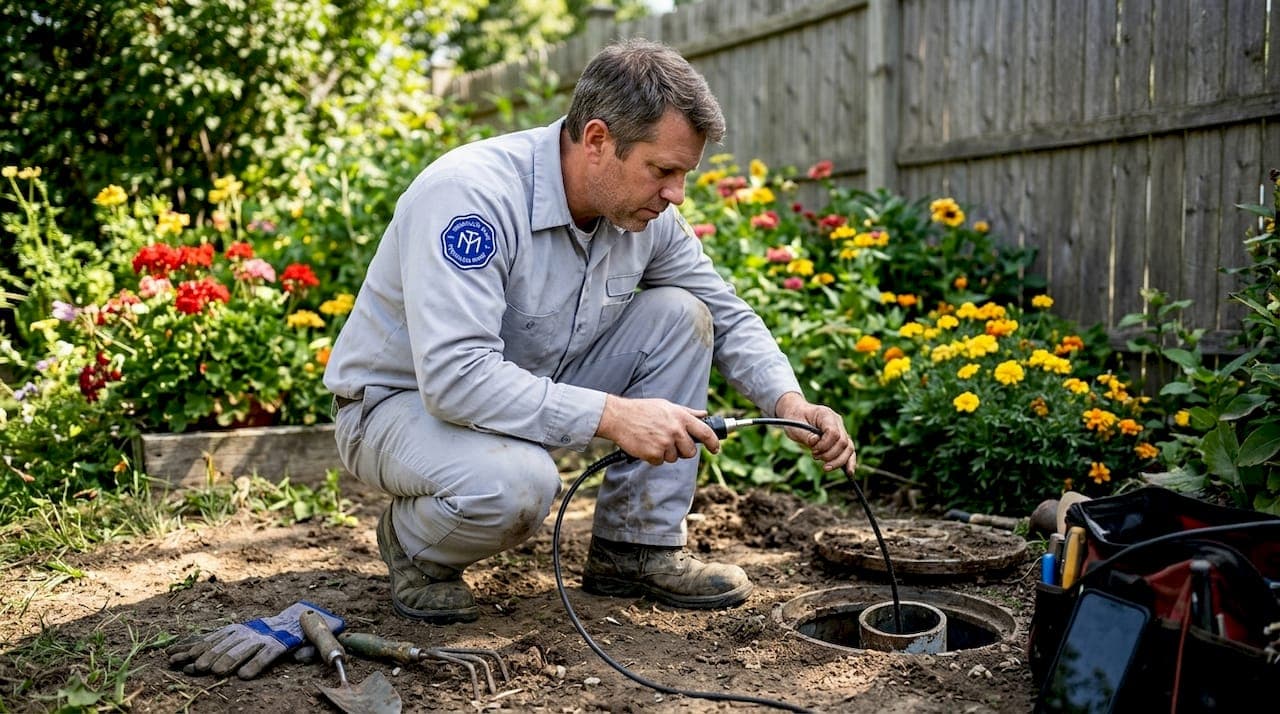
Pipe inspections are defined as professional assessments of a property's plumbing and sewer infrastructure to detect leaks, corrosion, root intrusion, and structural failure before they escalate. The role of pipe inspections for landlords goes far beyond checking for visible drips. Emergency plumbing repairs account for nearly 33% of annual maintenance costs for rental properties, and proactive inspection schedules reduce those costs by up to 32%. That single statistic reframes inspections from an optional expense into a financial necessity. Landlords are legally responsible for maintaining plumbing under habitability laws, meaning a failed sewer lateral is not just a repair bill. It is a legal liability.
What does a professional pipe inspection for rental properties involve?
A professional pipe inspection covers far more than a visual walkthrough. The process typically combines surface observation with camera inspection technology, including a sewer lateral camera that travels through underground lines to capture real-time footage of the pipe interior. This footage reveals problems that no surface check can detect, including pipe bellies, offset joints, and root intrusion.
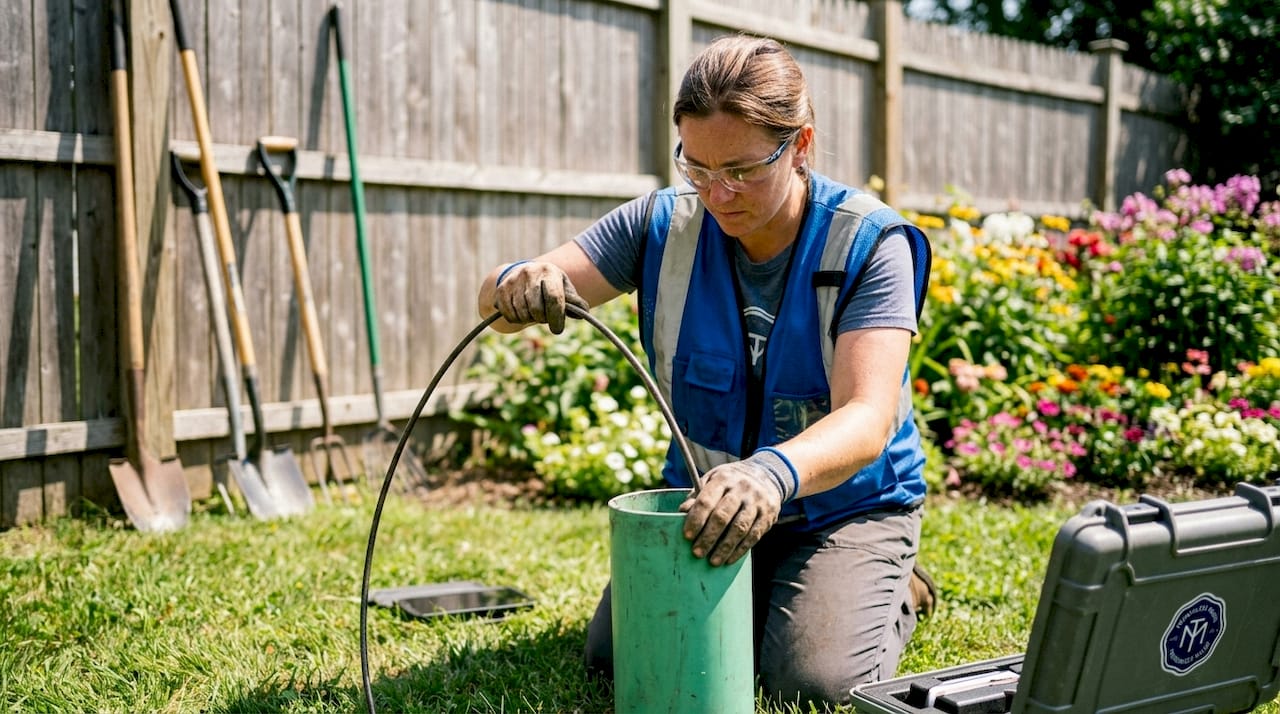
Inspection is a diagnostic and risk management process that delivers evidence to support maintenance decisions, not just visual checks. That distinction matters. A licensed inspector does not simply note that a pipe looks old. They document corrosion patterns, wall thinning, vibration damage, and degradation rates that predict when a failure will occur.
What professionals look for during a rental property inspection:
- Active leaks at joints, fittings, and supply connections
- Corrosion and pipe wall thinning in cast iron or galvanized steel lines
- Root intrusion from trees or shrubs growing toward sewer lines
- Pipe deformation or bellying where sections have sagged and collect debris
- Vibration damage from nearby construction or heavy traffic
- Offset joints where pipe sections have shifted out of alignment
Detailed inspection reports act as critical evidence to fulfill landlord duties of care, protecting against insurance claim denials and disputes. Every report should include photographs, camera footage timestamps, pipe material notes, and a condition rating for each section inspected.
Pro Tip: Request a digital copy of all camera footage, not just a written summary. Video evidence is far more persuasive in insurance claims and tenant disputes than a one-page report.
How often should landlords inspect pipes?
Inspection frequency depends on three factors: property age, pipe material, and tenant turnover rate. A newer building with PVC supply lines and low turnover needs less frequent professional inspections than a 1960s brick apartment block with original cast iron drains.
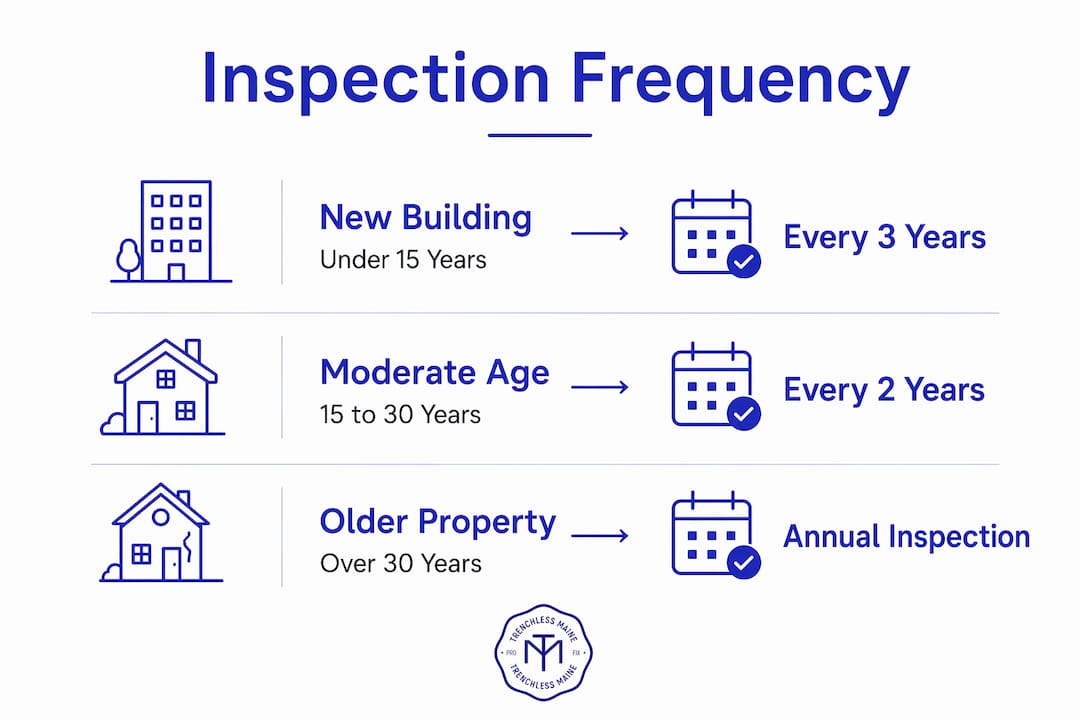
Properties over 30 years old with original cast iron or clay tile sewer lines should have professional camera inspections every 3–5 years or upon purchase. For interior plumbing, annual professional checks are the standard for rental properties. Maine's freeze-thaw cycles add additional stress to older pipe materials, making annual interior checks non-negotiable for landlords managing properties built before 1990.
| Property type | Pipe material | Recommended inspection interval |
|---|---|---|
| New construction (under 15 years) | PVC, CPVC | Every 3–5 years for sewer lateral; annual visual check |
| Mid-age property (15–30 years) | Copper, PVC | Every 2–3 years for sewer lateral; annual professional check |
| Older property (30+ years) | Cast iron, clay tile | Every 3–5 years for sewer lateral; annual camera inspection |
| Any property at tenant turnover | All materials | Full inspection before new tenancy begins |
| Property at acquisition | All materials | Immediate full inspection before closing or within 30 days |
Local water chemistry also affects frequency. Hard water accelerates mineral buildup inside copper and galvanized lines, narrowing flow capacity over time. If your rental sits in an area with high mineral content in the water supply, shorten your inspection intervals by one year.
What are the benefits of regular pipe inspections for landlords?
The financial case for regular landlord plumbing maintenance is direct. Proactive inspection schedules reduce emergency repair costs by up to 32%, which on a multi-unit building can represent thousands of dollars annually. The benefits extend well beyond the repair budget.
- Reduced emergency costs. Catching a cracked sewer lateral before it collapses eliminates the cost of emergency excavation, temporary tenant relocation, and potential property damage claims.
- Legal compliance. Habitability laws require functional plumbing. Documented inspections prove you met your duty of care if a tenant files a complaint or a regulator investigates.
- Early detection of hidden problems. Root intrusion, pipe bellies, and joint offsets produce no visible symptoms until they cause a backup or collapse. Camera inspections catch these years in advance.
- Better maintenance budgeting. Condition-based repair decisions replace guesswork. When you know a cast iron line is at 60% wall thickness, you can budget for relining in year two instead of facing an emergency replacement in year one.
- Improved tenant retention. Tenants who experience repeated plumbing failures leave. Tenants in well-maintained properties renew leases. The cost of a single vacancy typically exceeds the cost of several years of inspections.
"In multi-family buildings, plumbing failures have cascading risks. A single blocked main stack can back up into multiple units simultaneously, creating health hazards, property damage, and simultaneous tenant complaints. Scheduled inspections reduce these emergencies and protect building integrity."
The cascading risk in multi-unit buildings is the most underestimated factor in landlord plumbing maintenance. One neglected shared drain line can trigger damage claims from five tenants at once. Multi-family landlords benefit significantly from tiered inspection routines that catch both individual unit problems and shared system failures before they compound. For properties with multiple units, scheduled maintenance in multi-family buildings is most effective when plumbing checks are coordinated with other building-wide maintenance cycles.
How can landlords build an effective pipe inspection plan?
An effective plan has three tiers: routine landlord checks, periodic professional inspections, and triggered inspections at key property events.
Routine checks you or your property manager can perform:
- Daily or weekly: Watch for slow drains, water stains on ceilings, or unusually green grass strips above sewer lines
- Monthly: Check under sinks for moisture, inspect visible supply lines for corrosion, test all shut-off valves
- Quarterly: Flush floor drains with water, check water heater connections, inspect exterior cleanouts for debris
Licensed plumbers and camera inspection specialists provide reliable assessments that no landlord walkthrough can replicate. Hire a licensed plumber for annual interior inspections and a camera inspection specialist for sewer lateral work. These are two different skill sets, and not every plumber carries the equipment or training for sewer scope work.
Regular plumbing inspections include multi-tiered checks: daily, monthly, and quarterly walkthroughs combined with professional annual inspections for comprehensive coverage. Build this structure into your property management calendar and treat it the same way you treat fire alarm testing.
Documentation is the part most landlords skip. Every inspection needs a dated report with the inspector's license number, findings, photographs, and recommended follow-up actions. Inspection reports must be detailed and dated to serve as legal evidence of due diligence, protecting landlords from insurance denials and regulatory complaints. Store these reports for a minimum of seven years.
Pro Tip: Scheduling pipe inspections with a permit history audit when you acquire an older property reveals non-compliant hidden repairs that the seller may not have disclosed. This step alone can prevent you from inheriting someone else's code violations.
For properties with aging sewer infrastructure, camera inspections for sewer health are the single most cost-effective diagnostic tool available. Pair your inspection results with a clear maintenance budget line so repairs get funded before they become emergencies.
Key Takeaways
Regular pipe inspections are the most direct way for landlords to reduce emergency repair costs, maintain legal compliance, and protect tenant safety across rental properties.
| Point | Details |
|---|---|
| Inspections cut emergency costs | Proactive inspection schedules reduce emergency repair costs by up to 32% annually. |
| Legal duty requires documentation | Dated, detailed inspection reports protect landlords from insurance denials and habitability complaints. |
| Frequency depends on property age | Properties over 30 years old with cast iron or clay tile lines need camera inspections every 3–5 years. |
| Multi-unit buildings carry cascading risk | A single shared drain failure can damage multiple units simultaneously, multiplying liability. |
| Triggered inspections prevent hidden liability | Inspect at acquisition and at every tenancy transition to catch non-compliant or undisclosed repairs. |
What I've learned from landlords who skip inspections
Most landlords who skip pipe inspections are not being reckless. They are being reactive, which feels rational until the bill arrives. I have seen landlords absorb a $14,000 emergency sewer excavation that a $400 camera inspection two years earlier would have prevented. The math is not complicated. The behavior is.
The misconception I hear most often is that inspections are only necessary when something goes wrong. That logic works for light bulbs. It does not work for cast iron sewer lines that have been underground for 60 years. By the time you see symptoms, the pipe has usually been failing for months.
The other mistake is treating inspection reports as paperwork rather than evidence. A landlord I spoke with had a tenant claim a sewage backup caused property damage. The landlord had no inspection records. The insurance company denied the claim on the grounds that the landlord could not demonstrate due diligence. A single dated report from 18 months earlier would have changed that outcome.
My honest advice: schedule your first camera inspection this year if you have not had one in the past three years. The sewer scope inspection service you invest in today is the legal and financial protection you will rely on later.
— John
Trenchlessmaine pipe inspection services for rental property owners
Trenchlessmaine provides professional sewer scope and video pipe inspection services across Maine, built specifically for the kind of aging infrastructure that rental properties commonly have. Whether you manage a single-family rental or a multi-unit building, getting a clear picture of your sewer lateral's condition is the first step toward protecting your investment.
Trenchlessmaine's camera inspection team uses professional-grade equipment to document pipe condition, identify root intrusion, and flag structural failures before they become emergencies. After inspection, hydro jetting services in Maine clear accumulated debris and buildup that inspections reveal, restoring full flow capacity without excavation. If your inspection uncovers damage that needs repair, Trenchlessmaine's trenchless sewer repair options minimize disruption to your tenants and your property. Contact Trenchlessmaine to schedule an inspection or request a free quote for your rental property.
FAQ
What is the role of pipe inspections for landlords?
Pipe inspections allow landlords to detect hidden plumbing failures, corrosion, and root intrusion before they cause costly emergencies. They also provide documented evidence of due diligence required under habitability laws.
How often should landlords inspect pipes in rental properties?
Interior plumbing should receive a professional inspection annually. Main sewer laterals in properties over 30 years old with cast iron or clay tile lines need camera inspections every 3–5 years, and always at acquisition or tenancy transitions.
What signs indicate pipes need inspection right away?
Slow drains across multiple fixtures, sewage odors, water stains on ceilings or walls, and unusually lush green strips of grass above sewer lines all signal that a professional camera inspection is needed immediately.
Are landlords legally required to maintain plumbing?
Landlords are legally responsible for maintaining functional plumbing under habitability laws in most states. Failure to maintain plumbing systems exposes landlords to tenant legal action, code enforcement penalties, and insurance claim denials.
What does a pipe inspection report need to include?
A valid inspection report must include the date, the inspector's license number, photographs or camera footage, a condition rating for each pipe section, and recommended follow-up repairs. Undated or incomplete reports provide limited legal protection.