
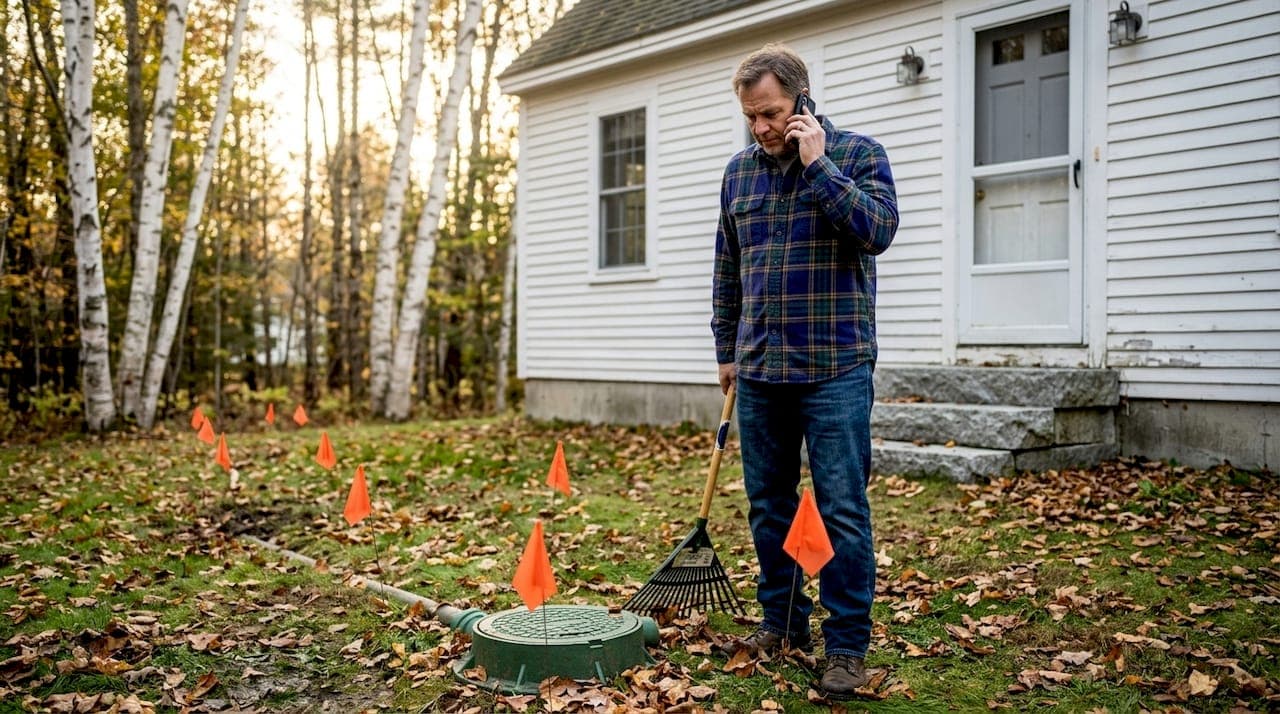
A sewer inspection scheduled without proper preparation can cost you more than the inspection itself. Blocked cleanouts, missing paperwork, and undocumented plumbing symptoms turn a routine 30-minute camera survey into a multi-visit ordeal that adds hundreds of dollars to your repair bill. Knowing how to prepare for sewer inspection in advance is the single most effective thing you can do to protect your wallet and your property. This guide walks Maine homeowners through every critical sewer inspection step, from clearing access points to gathering septic records, so you can get through the process efficiently and with no surprises.
Table of Contents
- Understanding the sewer inspection process and your responsibilities
- Preparing your property for the sewer inspection: access and symptom documentation
- Ensuring compliance for septic and subsurface wastewater systems in Maine
- Common mistakes to avoid and expert tips for a smooth inspection
- What to expect during and after your sewer inspection
- Why thorough preparation is your best defense against costly sewer repairs
- How Trenchless Maine services ease your sewer inspection and repair journey
- Frequently asked questions
Key Takeaways
| Point | Details |
|---|---|
| Clear access points | Make sure all sewer cleanouts are unobstructed and easy to reach before inspection appointment. |
| Document plumbing issues | Note slow drains, odors, and backups by testing each fixture to help inspectors target problems. |
| Prepare septic documents | Gather certificates and repair records if your property uses a septic or private disposal system. |
| Avoid common mistakes | Don’t block camera entry points or wait to prepare symptoms notes right before inspection. |
| Understand inspection results | Use standardized defect coding to evaluate repair urgency and get accurate cost estimates. |
Understanding the sewer inspection process and your responsibilities
Before you move a single piece of furniture, it helps to understand exactly what a sewer inspection involves and what you are legally responsible for as a Maine homeowner.
A sewer inspection uses a high-resolution camera that is fed through your pipes via a cleanout or vent stack. There is no digging, no tearing out drywall, and no major disruption to your property. The camera transmits live video to the technician's monitor, showing the interior condition of your sewer line in real time.
A sewer scope inspection typically takes 30 to 60 minutes, and findings are reviewed in a post-inspection report that you receive afterward. That report documents any defects found, such as root intrusion (tree roots that have grown into the pipe), pipe deformation (warping or collapse), or blockages.
Here is what inspectors are looking for during a standard evaluation:
- Structural defects: Cracks, fractures, pipe collapse, or deformation
- Root intrusion: Roots penetrating pipe joints or walls
- Blockages: Grease buildup, debris, or foreign objects obstructing flow
- Joint displacement: Offset or separated pipe connections
- Compliance issues: Any conditions that violate local code or permit requirements
One point many Maine homeowners do not realize is that you own and are responsible for the sewer lateral, which is the underground pipe running from your home to the municipal connection or septic inlet. That means any defect found in that line is your repair bill, not the city's.
Now that you understand what a sewer inspection entails, let's explore the essential preparations required to make the process efficient and thorough.
Preparing your property for the sewer inspection: access and symptom documentation
With a clear understanding of the inspection process, you can take these key steps to prepare your property physically and informatively for the visit.
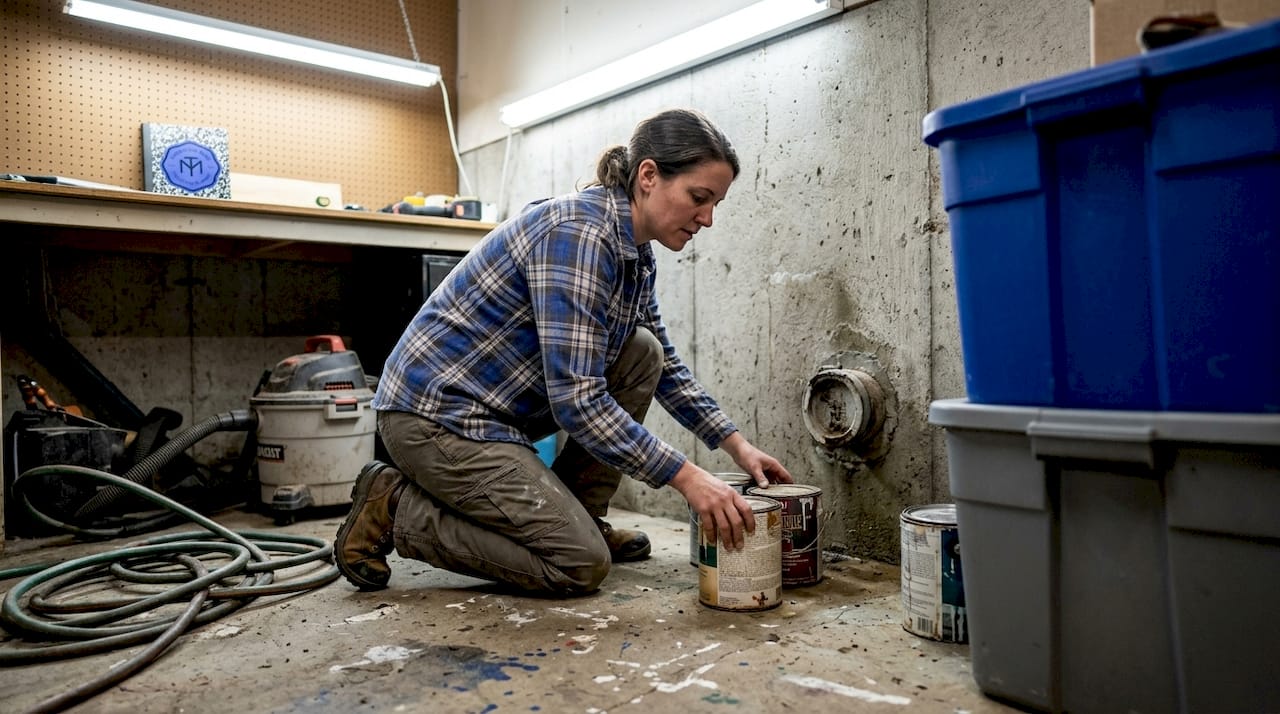
Locating and clearing your cleanout is the first physical task. A cleanout is a capped pipe, usually 3 to 6 inches in diameter, located in your yard, basement, or crawl space. It serves as the camera entry point. Camera access points must be unobstructed and reachable before the appointment. If your cleanout is buried under a decade of landscaping or sitting behind a stack of storage boxes, find it and clear it at least 24 hours before the inspection.
Here is a full checklist for physical preparation:
- Locate all sewer cleanouts on your property (check yard, basement, and near the foundation)
- Remove any furniture, boxes, storage items, or landscaping blocking access
- Mark the cleanout with a flag or cone if it is hard to spot in a yard
- Ensure there is enough clear space around the cleanout for the inspector to work comfortably
- If you have an interior cleanout in the basement, clear at least 3 feet of working space around it
Documenting your plumbing symptoms is equally important and something most homeowners overlook completely. Run water at every fixture in your home, including sinks, toilets, tubs, and showers, and note any slow drainage, gurgling or bubbling sounds, or sewage odors. Do this a day or two before the inspection, not the morning of.
Write down what you observe in a simple symptom-to-location format. For example: "Bathroom sink on second floor drains slowly after 30 seconds of running water. Kitchen sink gurgles when upstairs toilet flushes." That kind of specific detail tells the inspector exactly where to focus the camera and saves significant time.
Pro Tip: Take short videos on your phone of any visible symptoms, such as slow-draining sinks or bubbling toilet bowls. Sharing these with your inspector before or during the visit gives them context that even a detailed written note cannot fully convey. You can also review sewer camera inspection preparation tips specific to Maine homes before your appointment.
Ensuring compliance for septic and subsurface wastewater systems in Maine
Besides clearing physical access and noting plumbing symptoms, Maine septic system owners must also prepare critical records and site conditions for compliance inspection.
If your home is not connected to municipal sewer, you likely have a private septic system. Septic inspections in Maine follow specific criteria, and being unprepared can result in an incomplete assessment, which may require a second visit and additional fees.
The following documents and site conditions are required for a complete septic compliance inspection:
- Existing inspection certificates: Any prior inspection records that confirm your system was evaluated and passed
- Repair and maintenance records: Dates and descriptions of any pumping, repairs, or component replacements
- System installation date and design plan: Especially important for older systems that may have been installed under outdated codes
- Clear surface access: The ground over your subsurface disposal area (the leach field) must be free of debris, vehicles, and obstructions
Maine's DHHS provides a voluntary septic inspection key form that lists exactly what inspectors verify, including whether disposal-system pipes are accessible and the surface is clear. Review that form before your inspection so you know precisely what will be evaluated.
Inspection certificates and repair records are critical for a complete septic system evaluation. Missing documentation can flag your system as non-compliant even if it is functioning correctly. Understanding the differences between septic vs. sewer systems in Maine also helps you anticipate which regulations apply to your property.
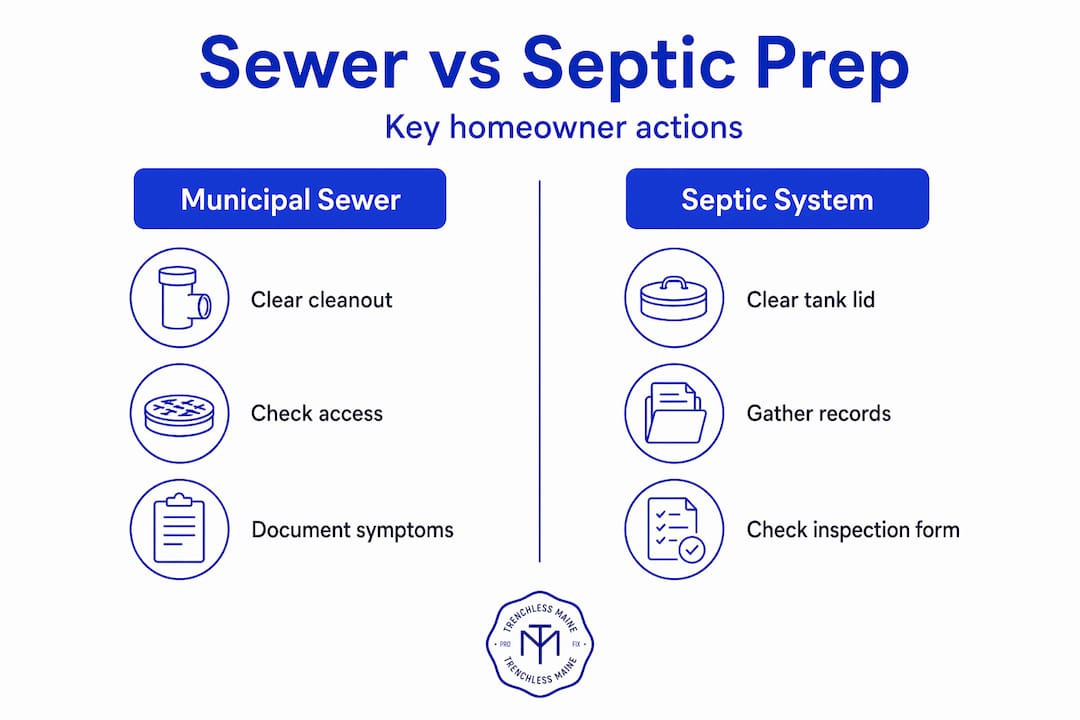
| Preparation item | Municipal sewer | Septic system |
|---|---|---|
| Locate and clear cleanout | Required | Required |
| Document plumbing symptoms | Required | Required |
| Gather inspection certificates | Not typically required | Required |
| Clear leach field surface | Not applicable | Required |
| System installation records | Optional | Strongly recommended |
| Permit documentation | Situational | Often required |
Common mistakes to avoid and expert tips for a smooth inspection
Now that you know what preparation steps are essential, learn common pitfalls to avoid and expert tips to ensure a smooth inspection experience.
The most expensive mistake homeowners make is simple: blocking the camera entry point, which can cause inspection delays or require a costly return visit. This sounds obvious, but it happens more often than you would expect. A single piece of patio furniture, a parked car on a driveway cleanout, or a potted plant in the basement can bring the entire inspection to a halt.
Here are the most common mistakes to avoid:
- Failing to locate the cleanout in advance. If you do not know where your cleanout is, find out at least a week before the inspection.
- Skipping the fixture symptom check. Not running water in all fixtures before the inspection hides intermittent or fixture-specific problems from detection.
- Providing no symptom history. A symptom-to-location cheat sheet helps technicians prioritize inspection targets and reduces partial or missed diagnoses.
- Scrambling at the last minute. Preparing access and notes the morning of the inspection leaves no time to fix problems before the inspector arrives.
- Missing paperwork for septic systems. Arriving without inspection certificates or repair records at a septic evaluation risks an incomplete or failed assessment.
Pro Tip: Write your symptom notes as if you are describing the problem to someone who has never seen your home. Include which floor the fixture is on, how long the problem has persisted, and whether it is consistent or intermittent. That level of detail directly reduces the time and scope of the camera investigation, which can lower your overall sewer inspection cost in Maine.
What to expect during and after your sewer inspection
Understanding what happens on inspection day and how results are presented helps you prepare mentally and logistically for the process and follow-up decisions.
Here is a step-by-step breakdown of what happens from arrival to report:
- Cleanout location: The inspector identifies and accesses the cleanout you prepared. This is why clearing it in advance matters so much.
- Camera insertion: A flexible, high-resolution camera is fed into the pipe. It records video in real time as it travels through the sewer line.
- Real-time review: Most inspectors will show you what the camera sees on a monitor during the inspection. Watch for areas where the pipe narrows, shows discoloration, or has visible cracks.
- Defect documentation: Any problem areas are logged using NASSCO PACP defect coding, a standardized rating system that scores defects from 1 (minor) to 5 (severe).
- Post-inspection report: You receive a written report with video footage and a list of identified defects, their severity scores, and recommended next steps.
The NASSCO PACP (Pipeline Assessment and Certification Program) rating system is worth understanding before your inspection. Defects rated 1 or 2 typically require monitoring or minor maintenance. A rating of 4 or 5 indicates a defect that needs prompt repair to prevent pipe failure.
The inspection process is non-invasive and typically takes 30 to 60 minutes. Afterward, your written report becomes your most valuable document for the next step: getting repair estimates. Because the defects are coded in a standardized format, you can bring that report to multiple contractors and compare bids on equal terms.
That is a real advantage. Without standardized coding, one contractor might describe a problem as "minor buildup" while another calls it "significant blockage." The PACP system eliminates that ambiguity. You can review your sewer camera inspection service options in Maine to find technicians who provide PACP-rated reports.
Why thorough preparation is your best defense against costly sewer repairs
Most homeowners treat a sewer inspection like a scheduled chore, something to get through with minimal involvement. After 50 years of combined experience in sewer diagnostics and repair, we have seen how that attitude plays out: incomplete inspections, missed defects, and repair bills that balloon because a problem was caught too late or misdiagnosed during a rushed visit.
Here is the truth most inspection guides skip: the quality of your preparation directly affects the quality of the inspection. An inspector who arrives at a blocked cleanout with no symptom history will cover the line as efficiently as they can, but they will not know to linger on the second-floor bathroom branch where you noticed slow draining last winter. That missed detail could mean a $300 camera visit followed by a $6,000 repair that would have cost half as much if caught earlier.
Detailed symptom notes shift the inspection from a general survey to a targeted diagnostic. That is a meaningful difference in outcome. And when standardized defect coding is applied to findings, the result is a report that removes guesswork from the repair bidding process and gives you real negotiating power.
We also want to say something that most sewer service companies will not: not every defect found in a sewer inspection requires immediate excavation. Many conditions identified during camera surveys are ideal candidates for non-invasive repair methods like CIPP pipe lining, which rehabilitates existing pipes from the inside without digging up your yard. But you only get to that option with a thorough, well-documented initial inspection. Skipping preparation shortcuts you out of your best repair outcomes.
How Trenchless Maine services ease your sewer inspection and repair journey
Turning your preparation into real results means working with a team that understands both the diagnostic and repair sides of the process.

Trenchless Maine offers advanced no-dig sewer repair technology paired with detailed video-based diagnostics that give Maine homeowners a full picture of their sewer system's condition without unnecessary disruption. Our sewer camera inspection service uses high-resolution cameras to produce PACP-coded reports you can actually use when comparing repair options. If the inspection identifies pipe damage, our CIPP pipe lining service rehabilitates your existing pipe from the inside, backed by warranties up to 50 years. You get the inspection and the repair solution from the same experienced local team, with minimal disruption to your yard, your schedule, and your budget.
Frequently asked questions
What should I do if I can't locate my sewer cleanout before the inspection?
Contact your plumber ahead of the inspection for help locating it, or to have a new access point installed if one does not exist, so the inspection can proceed without delays.
How often should I schedule a sewer inspection for my Maine home?
Every 1 to 2 years is recommended for most homeowners, particularly those with older pipes or recurring plumbing symptoms, to catch developing problems before they become major repairs.
What is the NASSCO PACP defect coding and why is it important?
It is a standardized system that rates sewer defects from 1 to 5 in severity, ensuring your inspection report is clear, actionable, and easy to compare across multiple repair bids.
Do I need special preparation if my home uses a septic system instead of municipal sewer?
Yes. You should collect inspection certificates, repair records, and ensure your disposal-area pipes are accessible, since Maine septic inspections verify documentation and site accessibility as part of the evaluation.