
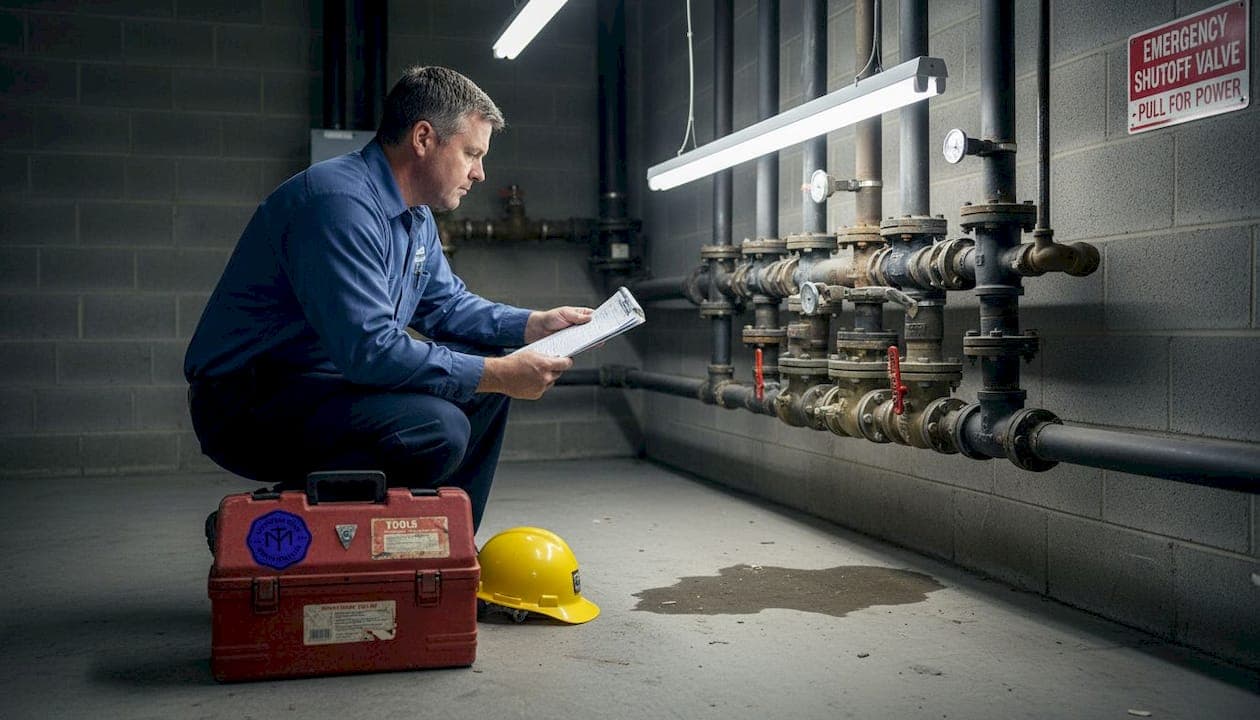
Managing plumbing repairs at a commercial property in Maine comes with a real challenge: you need the work done fast, done right, and done without shutting down your building or frustrating tenants. Pipe lining, specifically CIPP (cured-in-place pipe) lining, has changed the game for property managers who once faced days of excavation and costly restoration. But to get the most out of this technology, you need more than just a contractor with a van. You need to understand codes, materials, scheduling, and costs before the first piece of equipment arrives on site. This guide breaks all of that down in a clear, actionable format.
Table of Contents
- Understand Maine plumbing codes and compliance
- Choose the right lining material for your property's needs
- Minimize disruption: Trenchless methods and workflow planning
- Invest in quality contractors and ongoing inspection
- Estimate costs, ROI, and timeline for your project
- Our perspective: Why proactive pipe lining is a Maine property manager's best move
- Looking for a pipe lining partner in Maine?
- Frequently asked questions
Key Takeaways
| Point | Details |
|---|---|
| Know the codes | Installing code-approved linings and hiring certified professionals keeps your project compliant. |
| Choose materials wisely | Liner selection impacts durability, compliance, and pipe performance in commercial applications. |
| Plan for minimal disruption | Trenchless methods and clear workflow save time and reduce business downtime. |
| Invest in inspection | Ongoing inspections ensure your investment holds up and prevents costly future headaches. |
| Calculate ROI | Weigh the long-term cost savings and increased property value against upfront investment to make the best decision. |
Understand Maine plumbing codes and compliance
Before any lining work begins at your property, you need a clear picture of what Maine's plumbing code requires. The good news is that no CIPP-specific bans exist in Maine's code, but the work must still meet specific standards depending on the type of pipe being lined.
For sanitary and storm drain systems, the main concern is that the finished liner restores full structural integrity and flow capacity. For potable water lines, the stakes are higher. Any liner used must meet NSF/ANSI 61, the national standard for materials that come into contact with drinking water. Using a non-compliant liner on a potable line is a serious violation that could trigger an operational shutdown.
Here are the key compliance points every Maine commercial property manager should know before work starts:
- Confirm the liner material is rated for the intended pipe use (potable, sanitary, or storm).
- Verify the contractor holds Maine state plumbing licenses, not just general contractor credentials.
- Require documentation of NSF/ANSI 61 certification if potable lines are involved.
- Ensure a licensed inspector signs off on the finished installation.
- Keep all project records on file for future permit reviews or property transactions.
"A code violation discovered after installation is far more expensive than verifying compliance before work begins. Get the paperwork right the first time."
Pro Tip: Ask your contractor to provide a pre-project compliance checklist that maps their process to Maine plumbing code requirements. Reputable providers offering trenchless sewer lining services will have this ready without hesitation.
Working with certified installers also protects you from liability. If a pipe failure occurs post-installation and the work wasn't code-compliant, your property insurance may not cover the damage. Certification isn't just a formality; it's your safety net.
Choose the right lining material for your property's needs
Once you understand code requirements, the next crucial step is material selection. Not every liner is built for every job, and choosing the wrong material can mean early failure, code rejection, or unnecessary expense.
The three most common CIPP liner materials used in commercial settings are epoxy, polyester, and vinyl ester. Each has a different performance profile:
| Liner material | Best application | Chemical resistance | Typical lifespan |
|---|---|---|---|
| Epoxy | Potable water, sanitary | Moderate | 25 to 50 years |
| Polyester | Storm drains, low pressure | Lower | 20 to 35 years |
| Vinyl ester | Industrial, high chemical | High | 30 to 50 years |
For most commercial properties in Maine dealing with sanitary sewer laterals or storm drains, polyester or epoxy resins are the standard choice. Vinyl ester becomes relevant when your building handles industrial waste or high concentrations of chemicals that would degrade a standard liner faster.
Key considerations when selecting a liner material:
- Pipe diameter and condition: Thicker liners are needed for heavily deteriorated pipe walls.
- Flow type: Potable lines require NSF/ANSI 61 rated materials, which CIPP handles well across a range of commercial pipe types and sizes.
- Temperature exposure: Maine winters push ground temperatures low; verify your liner is rated for freeze-thaw cycle stress.
- Future chemical exposure: Know what flows through the pipe before committing to a material.
Pro Tip: Request a material data sheet from your contractor before signing anything. Cross-reference the liner's listed chemical resistance with what actually runs through your pipes.
The right material paired with proper installation extends the liner's life dramatically. Choosing based on price alone is where most property managers go wrong. Selecting a liner via no-dig technology matched to your pipe's actual conditions is the smarter long-term call.
Minimize disruption: Trenchless methods and workflow planning
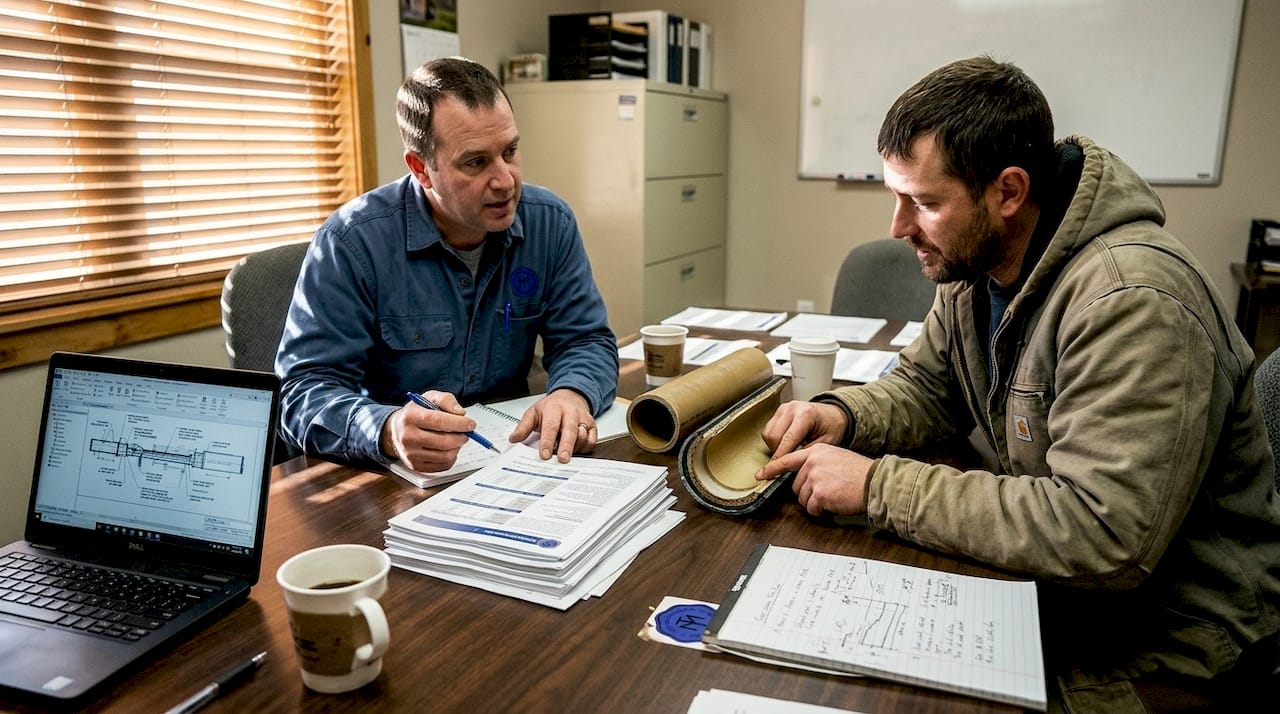
With the material decided, planning your workflow can make a major difference in business continuity. Trenchless CIPP lining is already far less disruptive than traditional dig-and-replace methods, but smart scheduling amplifies those gains significantly.
Trenchless lining drastically reduces downtime compared to traditional methods that can take days or even weeks to complete. Most commercial CIPP jobs wrap up in one to two days, with pipe access often limited to a single cleanout or access point rather than open trenches across your parking lot or lobby.
Here's how to plan a lining project to keep your property running smoothly:
- Schedule a camera inspection first. You need baseline data on pipe condition, diameter, and problem locations before any lining begins.
- Map all affected service connections. Identify which tenants or areas will lose water or drain service and for how long.
- Notify tenants in writing at least 72 hours in advance. This is especially important in multi-tenant commercial buildings.
- Schedule work during off-peak hours. Early mornings or weekends minimize tenant impact in office or retail buildings.
- Confirm cure time before restoring flow. CIPP liners require a cure period, typically two to six hours, before the pipe can return to service.
Workflow timing comparison:
| Method | Typical job duration | Surface disruption | Cure/restoration time |
|---|---|---|---|
| CIPP lining | 1 to 2 days | Minimal | 2 to 6 hours |
| Traditional excavation | 3 to 7+ days | Significant | 1 to 3 days |
For properties with multiple buildings or complex drainage networks, consider phasing the work by zone. Review no-dig solutions that allow section-by-section access so you're never taking an entire system offline at once. You can also explore how trenchless vs excavation costs stack up to build a clear business case for your stakeholders.
Invest in quality contractors and ongoing inspection
Choosing the right workflow highlights the equal importance of qualified professionals for system success. The contractor you hire shapes everything: code compliance, material quality, cure process, and long-term liner performance.
Professional installation isn't optional for code compliance. It's also what separates a liner that lasts 40 years from one that delaminates in five. Here's a practical checklist for vetting CIPP contractors in Maine:
- State licensing: Confirm active Maine plumbing contractor license, not just registration.
- CIPP-specific experience: Ask for a list of completed commercial projects in Maine. Reviewing commercial sewer repair results from past projects gives you a realistic baseline.
- Insurance coverage: General liability and workers' comp certificates should be current and property-specific.
- Equipment quality: Confirm they use calibrated curing equipment (UV, steam, or hot water) suited to the liner they're installing.
- Warranty terms: Strong contractors back their work. Check available terms via a warranty lookup before committing to any provider.
"A licensed contractor who pulls permits and documents everything is worth the premium over a low-bid operator who works off the books. One code violation will cost you more than the savings."
Beyond installation, set up a recurring inspection schedule. Annual camera inspections on lined pipes catch early issues like joint separation, root intrusion through unsealed access points, or localized liner softening before they become full failures. Most property managers find a 12 to 18-month inspection cycle strikes the right balance between protection and cost.
Estimate costs, ROI, and timeline for your project
The final filter is your bottom line: costs, ROI, and timeline. Pipe lining pricing in Maine varies based on several factors, but you can build reliable estimates with the right inputs.
Typical commercial CIPP lining costs in Maine range from $80 to $250 per linear foot, depending on:
- Pipe diameter (larger pipes cost more per foot)
- Depth and access difficulty
- Liner material selected (vinyl ester costs more than polyester)
- Length of the run and number of lateral connections
- Any required pre-lining cleaning, such as hydro jetting
Trenchless lining reduces costs tied to excavation and site restoration, which in commercial settings can run $10,000 to $50,000 or more depending on surface type. Parking lots, paved walkways, and landscaped areas all carry significant restoration price tags that lining simply avoids.
For ROI calculation, factor in:
- Downtime savings: If your property generates $5,000 per day in rent and lining saves four days versus excavation, that's $20,000 in retained revenue.
- Tenant retention: Emergency pipe failures and long repair periods drive tenant turnover. Proactive lining eliminates that risk.
- Reduced emergency call rates: Emergency plumbing response in Maine can run two to three times standard rates. Avoiding even one emergency call per year pays back a significant portion of a lining project.
For a detailed cost breakdown for trenchless pipe lining, use current project benchmarks before budgeting. When you're ready to move forward, request a pipe lining quote to get property-specific numbers rather than relying on averages.
Our perspective: Why proactive pipe lining is a Maine property manager's best move
Having worked on commercial properties across Maine, we've seen a consistent pattern: the managers who wait for a failure to force action always pay more than those who schedule lining before a crisis hits. Not just in dollars, but in tenant complaints, emergency contractor premiums, and reputational damage to the property.
The conventional approach is reactive. A drain backs up, a pipe collapses, and suddenly you're managing a major repair during business hours with no preparation. The smarter move is scheduled lining tied to inspection data, which tells you exactly when a pipe is approaching the end of its useful life rather than waiting for it to tell you by failing.
What surprises most commercial managers is how affordable proactive lining becomes when you account for the full cost of doing nothing. Emergency rates, business interruption, and surface restoration costs make the reactive path significantly more expensive over a five to ten year window.
Explore more on this topic through commercial pipe lining strategies that reflect real Maine project data. Proactive lining isn't just a maintenance decision. It's a property value protection strategy.
Looking for a pipe lining partner in Maine?
If you're ready to put these strategies into practice, partnering with local experts is your best next move. Maine trenchless sewer repair specialists who know the state's code landscape, soil conditions, and commercial property demands deliver results that out-of-state contractors simply can't match.
Trenchless Maine provides no-dig pipe lining solutions for commercial properties across Maine, backed by over 50 years of combined expertise and warranties up to 50 years. Our team handles everything from initial camera inspection to final compliance sign-off, so you stay focused on managing your property, not overseeing a construction site. Coverage spans most of Maine's major cities, with fast response and transparent pricing. Ready to get started? Get a free quote and find out exactly what pipe lining will cost and save at your property.
Frequently asked questions
Is pipe lining allowed for all commercial building types in Maine?
Yes, as long as the materials are code-approved for use and the work is installed by a licensed professional. There are no blanket restrictions on CIPP lining for commercial properties under Maine's plumbing code.
How long does commercial pipe lining take?
Most jobs finish within one to two days. Trenchless lining cuts downtime significantly compared to excavation, which can keep areas out of service for a week or more.
Who should inspect the pipe lining after installation?
A certified sewer contractor or state-licensed plumbing inspector should verify both compliance and structural integrity. Professional installation oversight ensures the liner meets Maine code before the pipe returns to service.
Can pipe lining be used for potable water lines?
Yes, provided the liner material meets NSF/ANSI 61 standards for safe contact with drinking water. Always confirm certification documentation from your contractor before work begins.
What factors affect the cost of commercial pipe lining?
Cost depends on pipe length and diameter, site access, liner material, and overall pipe condition. Trenchless methods lower costs by eliminating excavation and surface restoration expenses that traditional repairs require.
Recommended
- Old Clay & Orangeburg Pipes in Maine: When to Repair, When to Replace
- Cast Iron Pipes in Maine: Signs of Failure & Repair Options
- Spring Sewer Maintenance Checklist for Maine Homeowners: Prevent Costly Repairs
- Frozen Pipes & Winter Sewer Problems in Maine: What Every Homeowner Needs to Know
- Top drain relining techniques for London properties
- Pipe replacement explained: Risks, solutions, smarter choices | Proper Plumbing GTA Blog